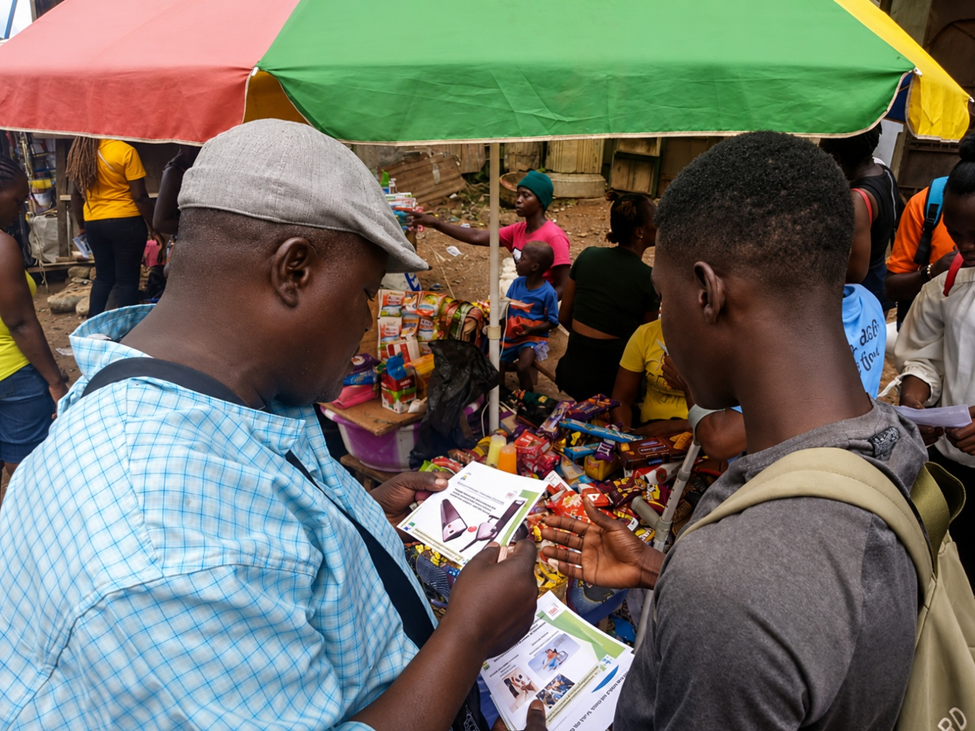
June marks Men’s Mental Health Awareness Month — a time not only for conversation, but for reflection. It is an opportunity to confront uncomfortable truths about masculinity, emotional well-being, and the silent burdens many men carry every day.
For years, mental health conversations have often overlooked men unless there is a visible crisis. Yet men remain at the center of enormous social, economic, and emotional expectations. In Sierra Leone and across many African societies, men are commonly expected to provide, protect, lead, endure hardship, and remain emotionally composed regardless of personal struggles.
From an early age, many boys are taught that vulnerability is weakness and silence is strength. As a result, countless men learn to suppress emotional pain, internalize stress, and carry psychological burdens alone.
But silence is not always strength👌
Behind many smiling faces are men struggling with anxiety, depression, burnout, loneliness, trauma, financial pressure, substance use challenges, relationship difficulties, and emotional exhaustion. Many continue to say “I’m okay” simply because society has conditioned them to believe that asking for help diminishes their masculinity.
The reality is that men also hurt. Men also grieve. Men also experience emotional breakdowns. And men also deserve care, support, and safe spaces for healing❤️
One of the most dangerous aspects of men’s mental health challenges is the culture of emotional silence surrounding them. Too often, communities celebrate men only for their ability to provide materially while neglecting their emotional and psychological well-being. Many men are expected to carry the weight of families and communities without anyone asking whether the weight itself has become unbearable.
A man may be able to lift physical weight alone, but the weight of the mind is different.
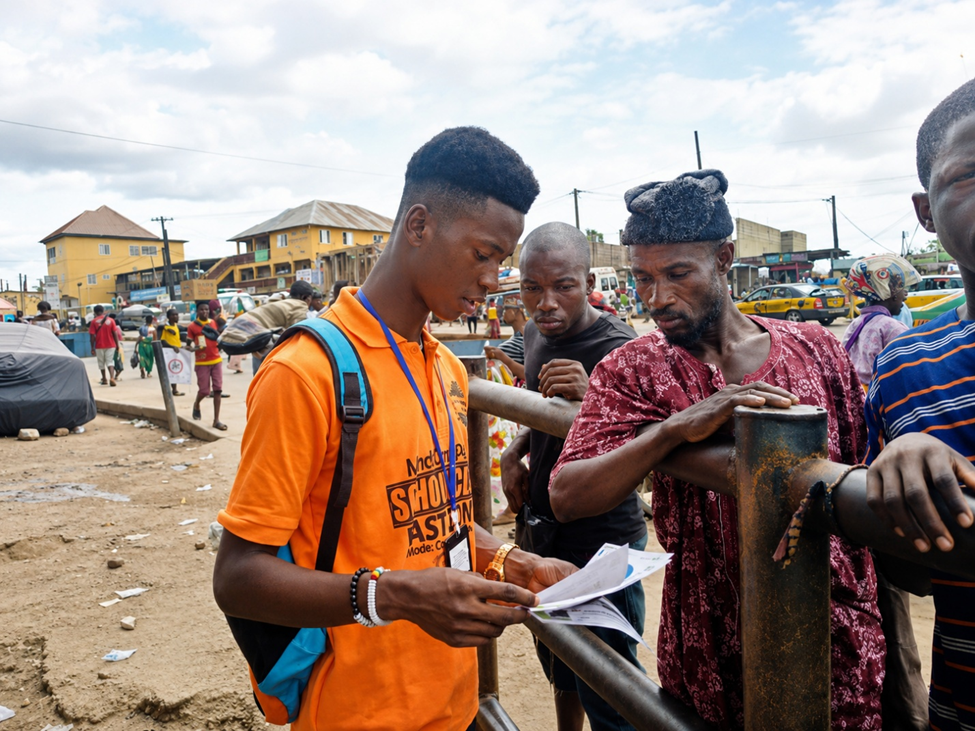
Mental Health Coalition Sierra Leone firmly believes that mental well-being must be prioritized for all people, including men. Over the years, the Coalition has intentionally integrated mental health and psychosocial well-being into its institutional frameworks and practices, recognizing that emotionally healthy individuals build resilient and effective institutions.
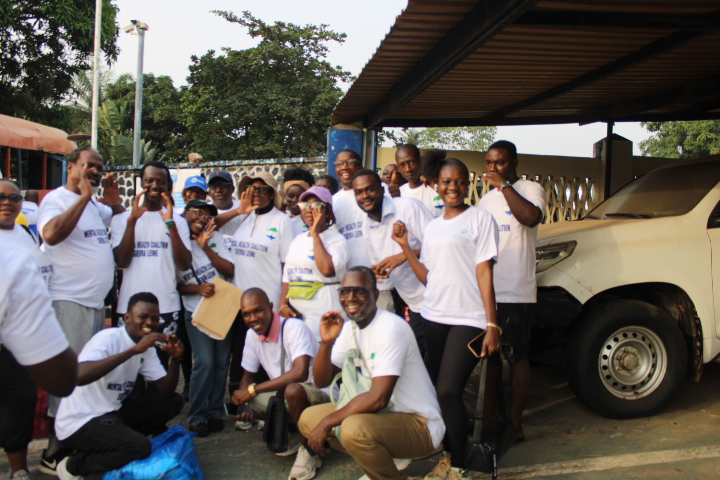
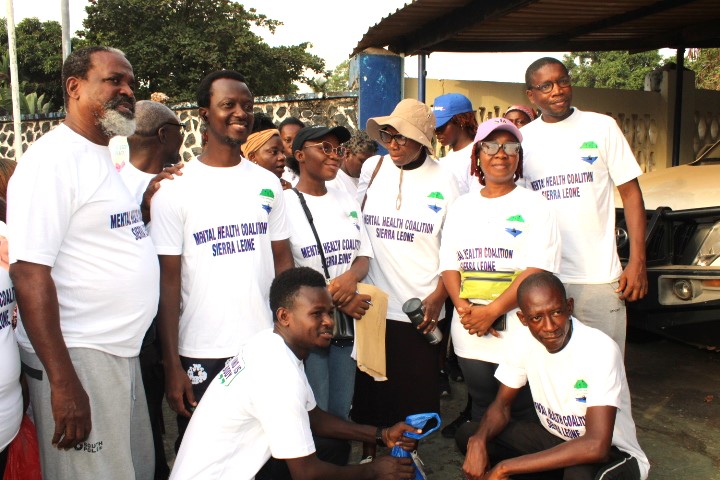
The Coalition has also prioritized the mental well-being of its Board, Management, Staff, and Membership by encouraging supportive workplace cultures, promoting psychosocial awareness, and fostering environments that value emotional well-being rather than ignore it. This internal commitment reflects a broader understanding that mental health advocacy must begin not only in communities, but also within organizations themselves.
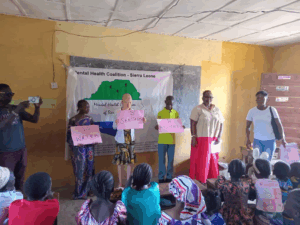
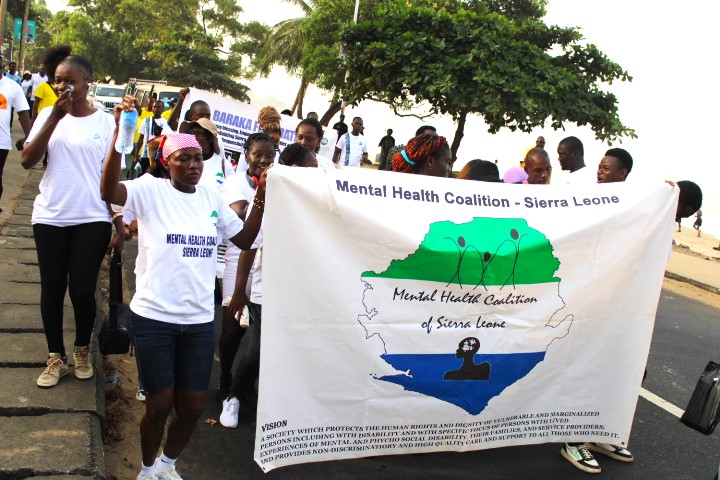
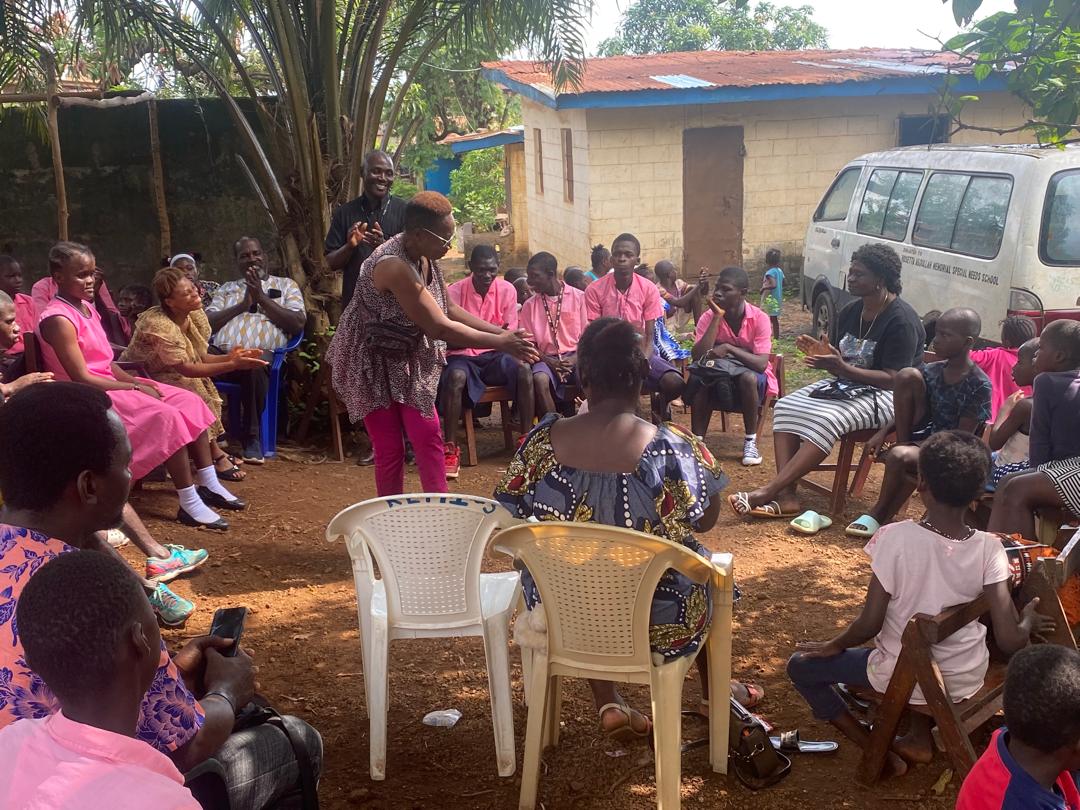
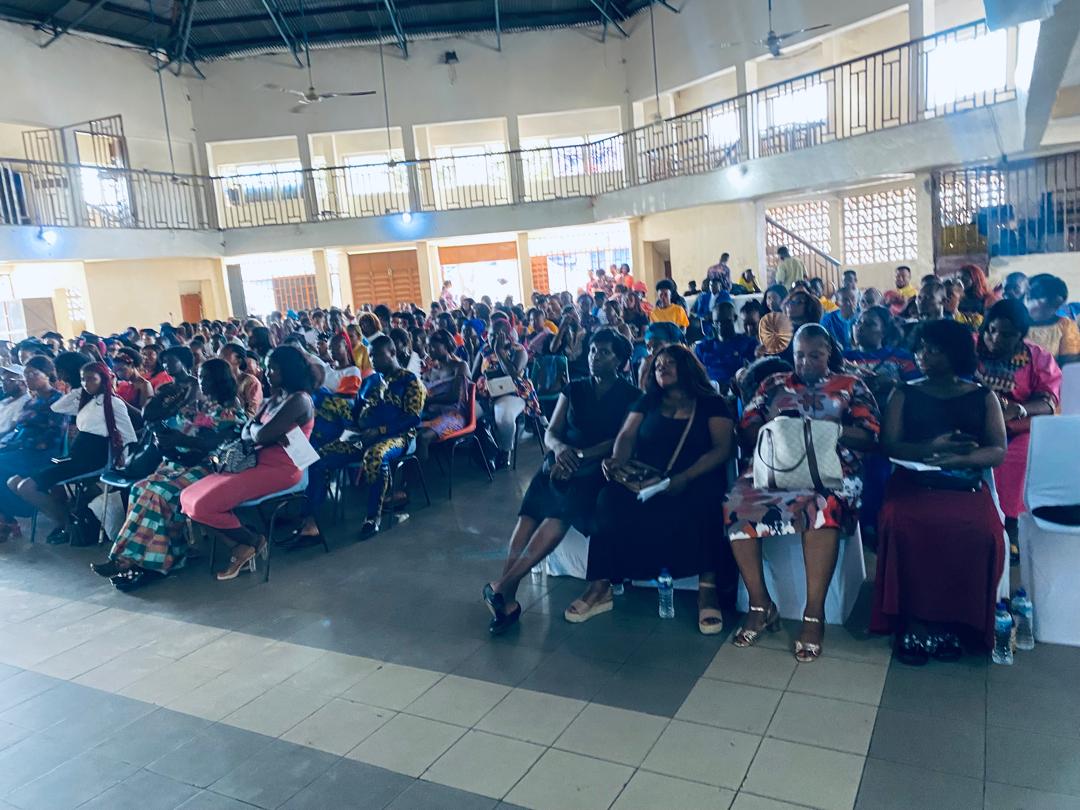
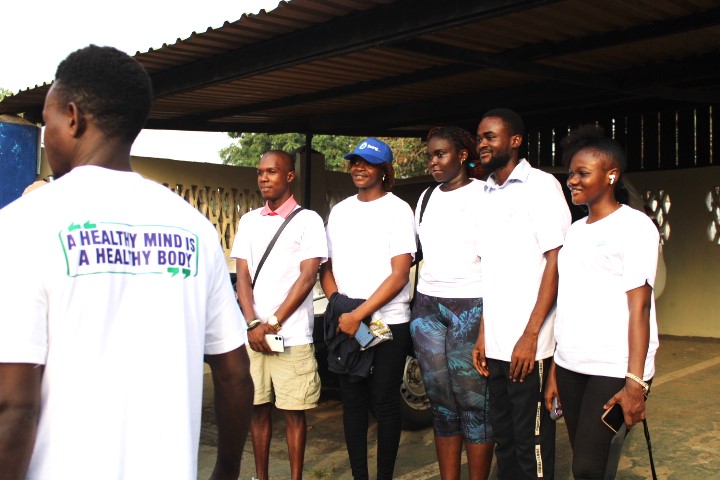
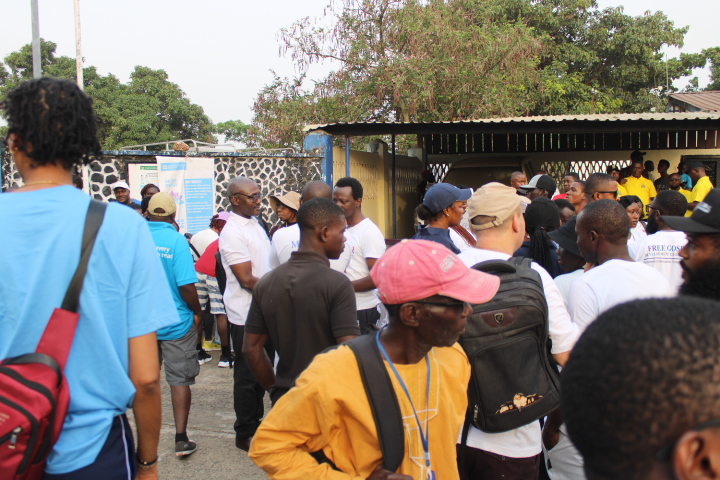
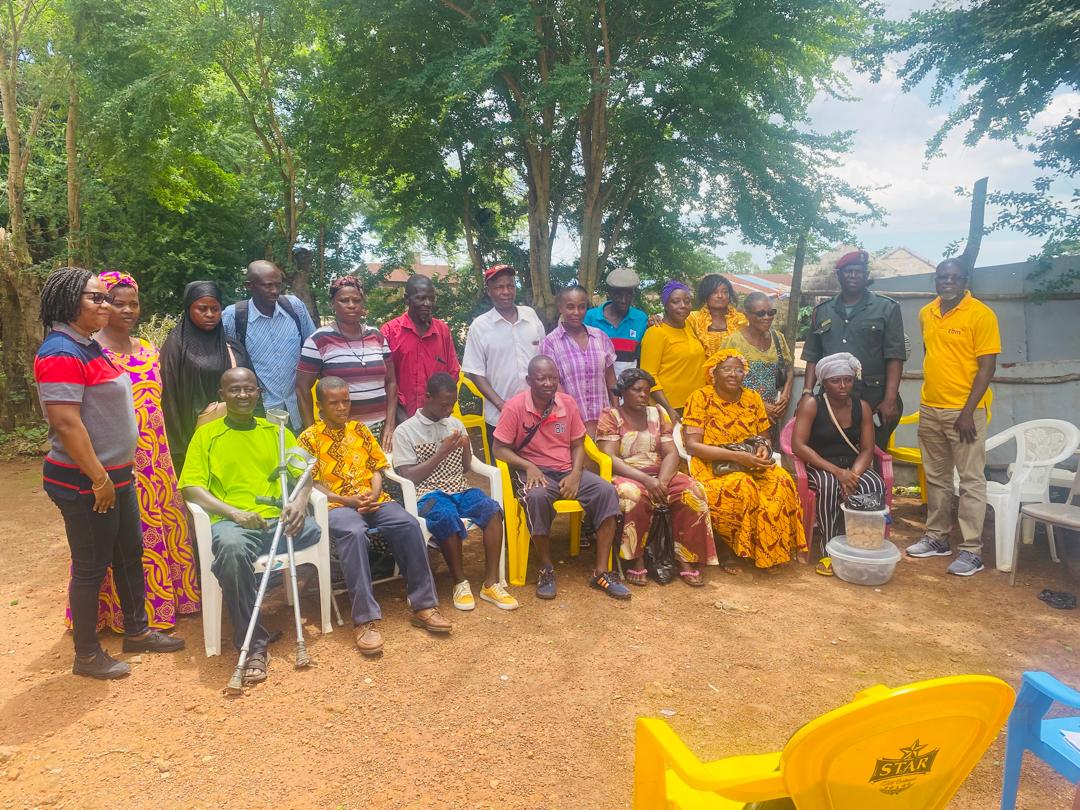
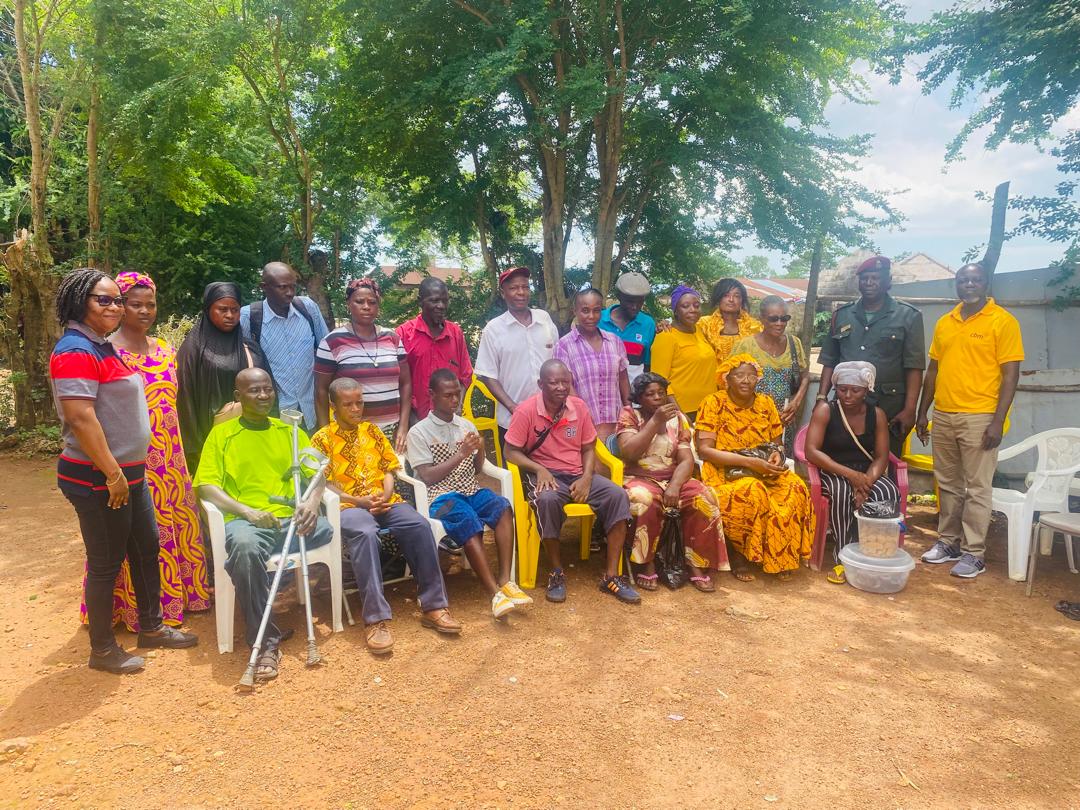
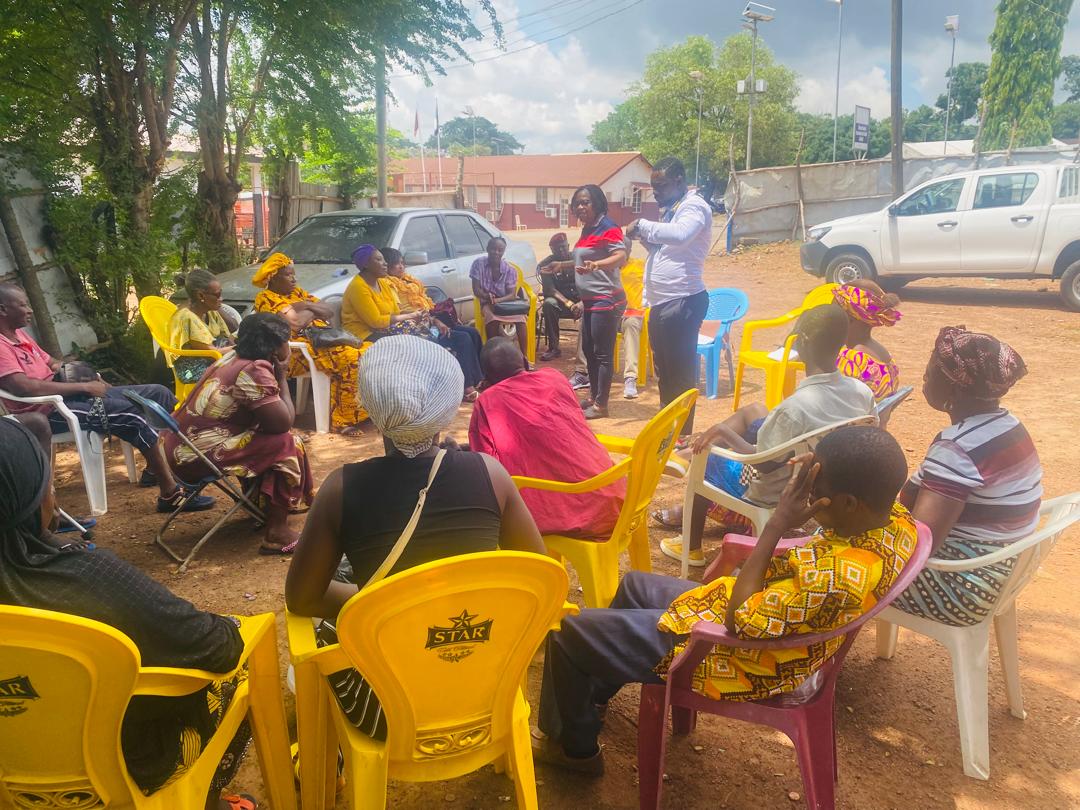
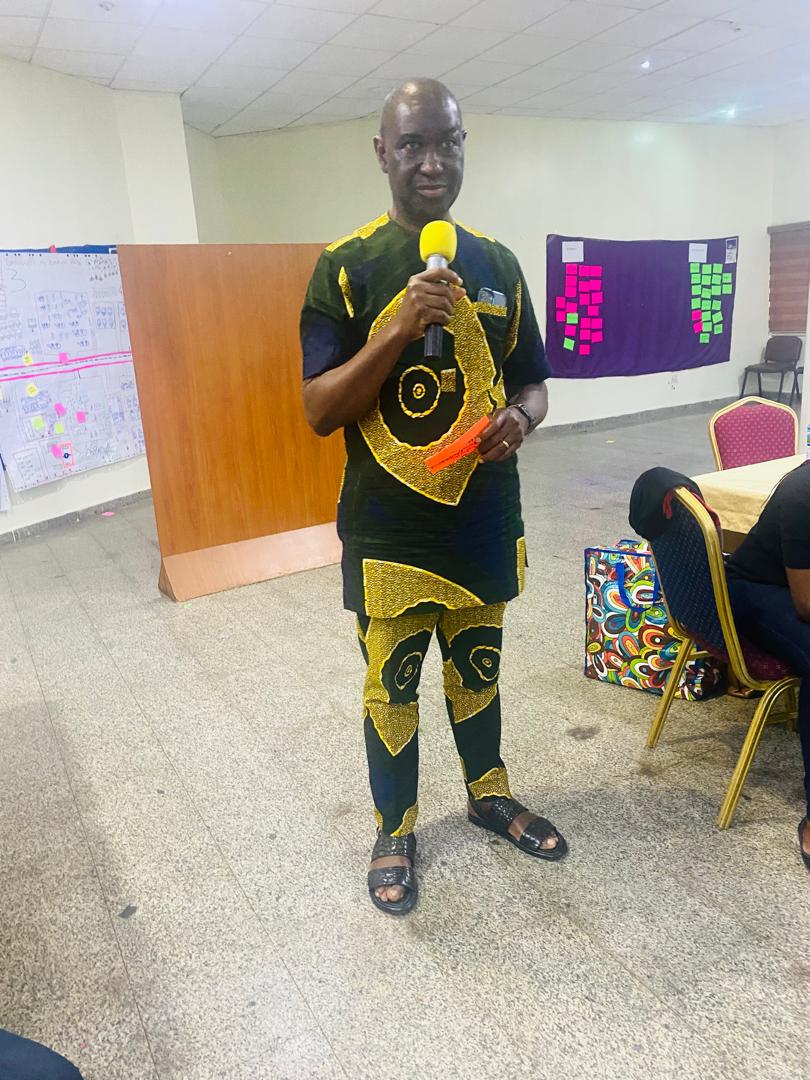
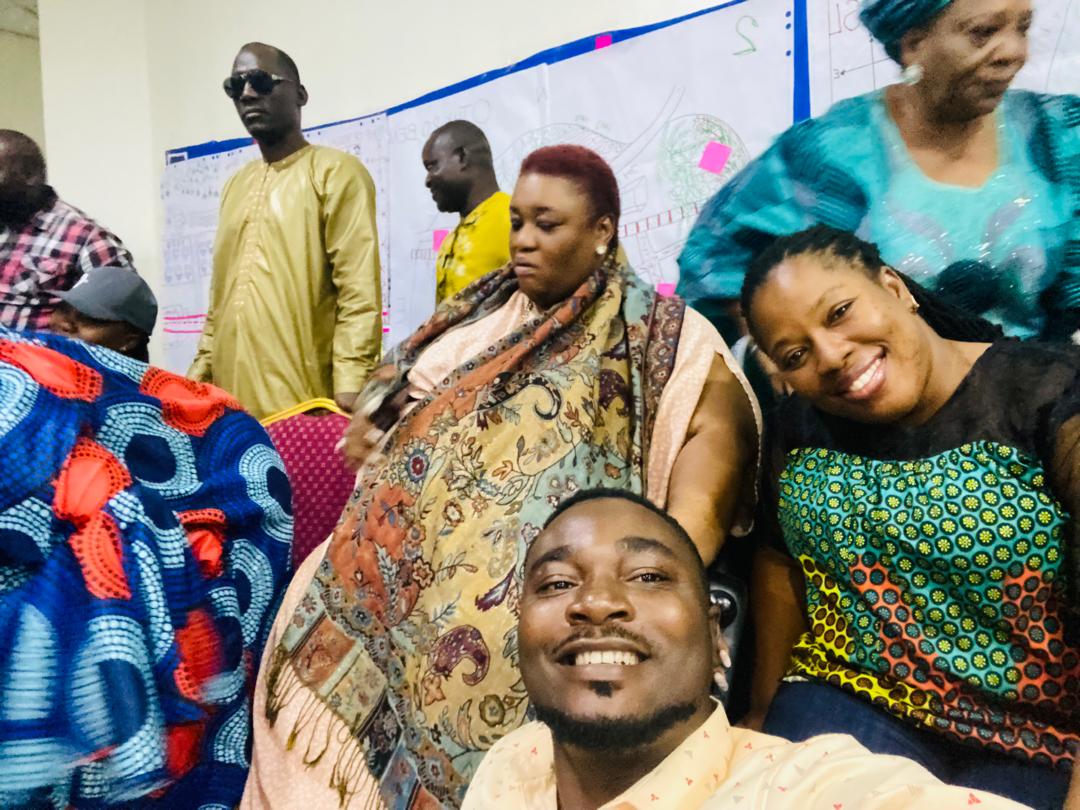
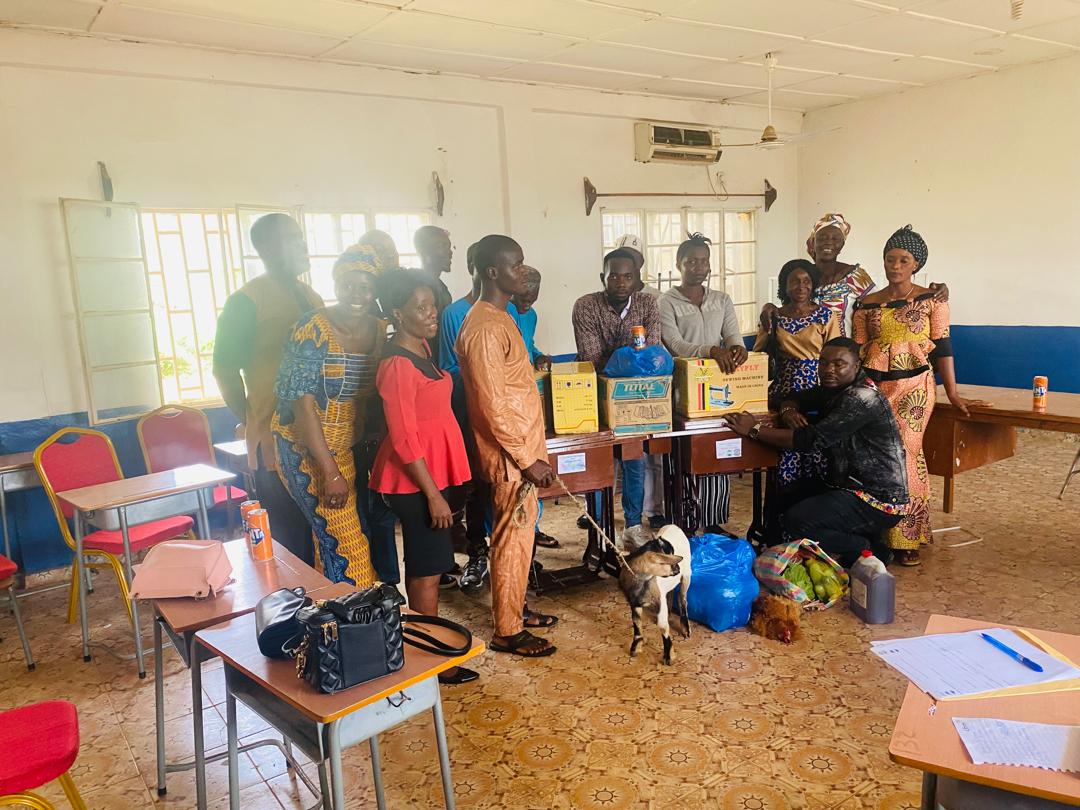
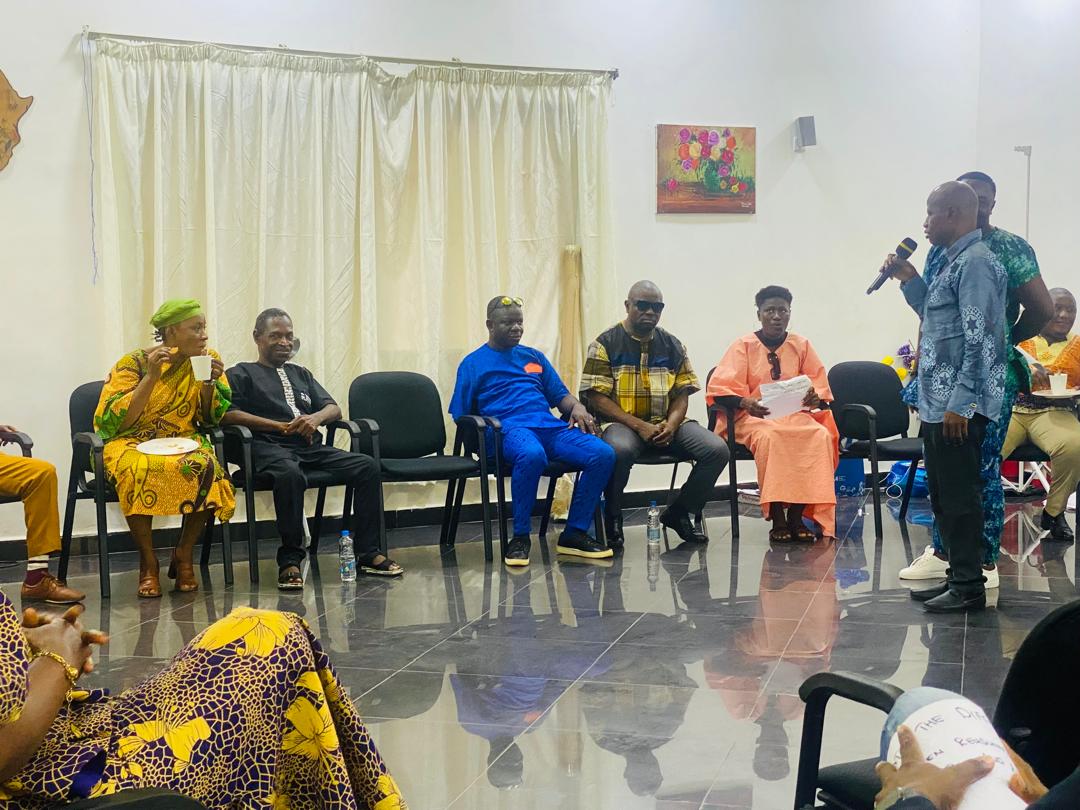
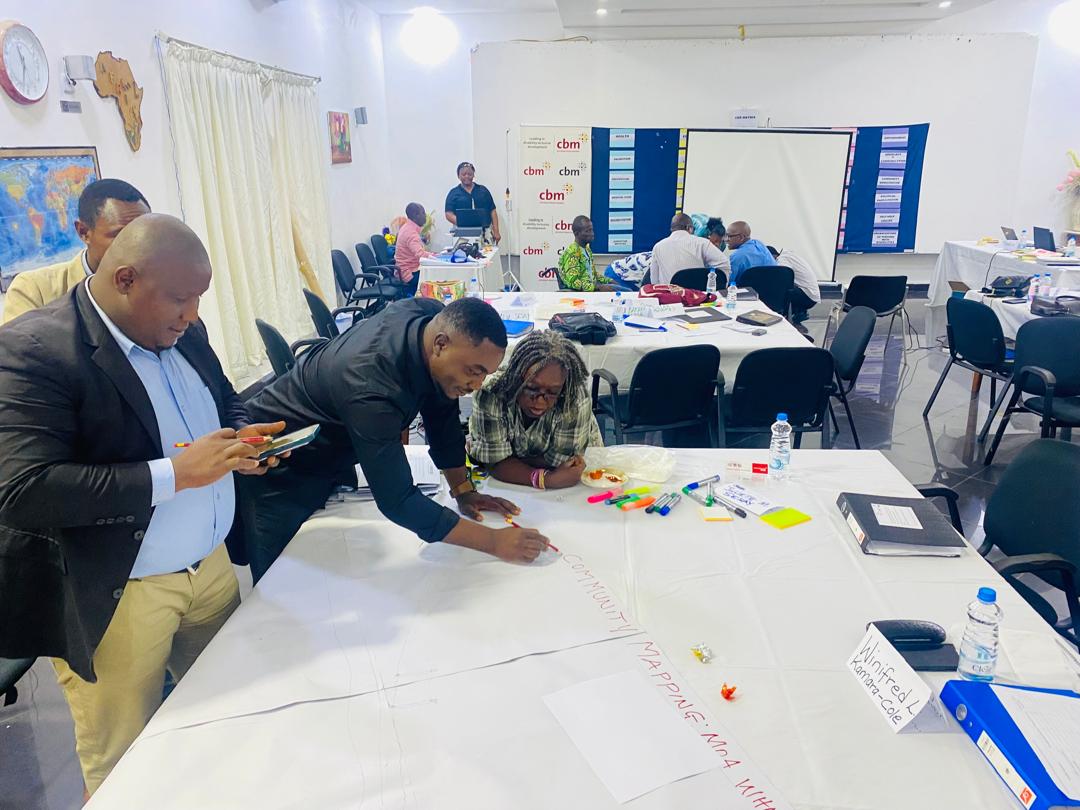
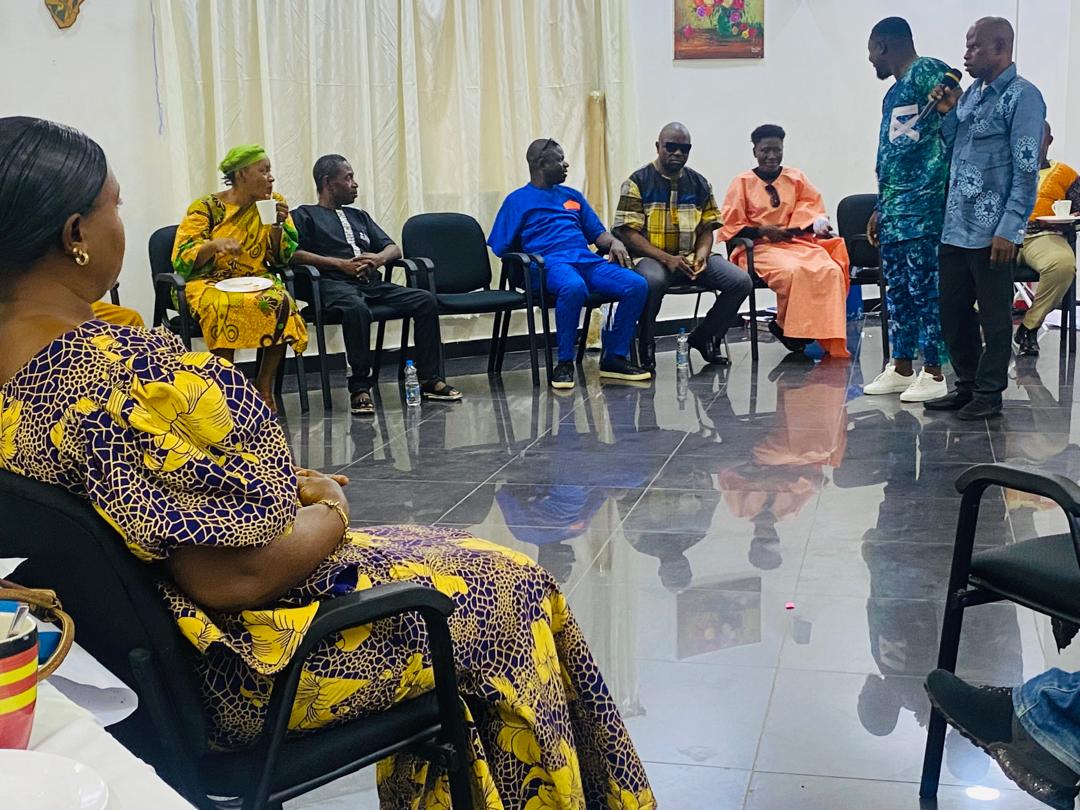
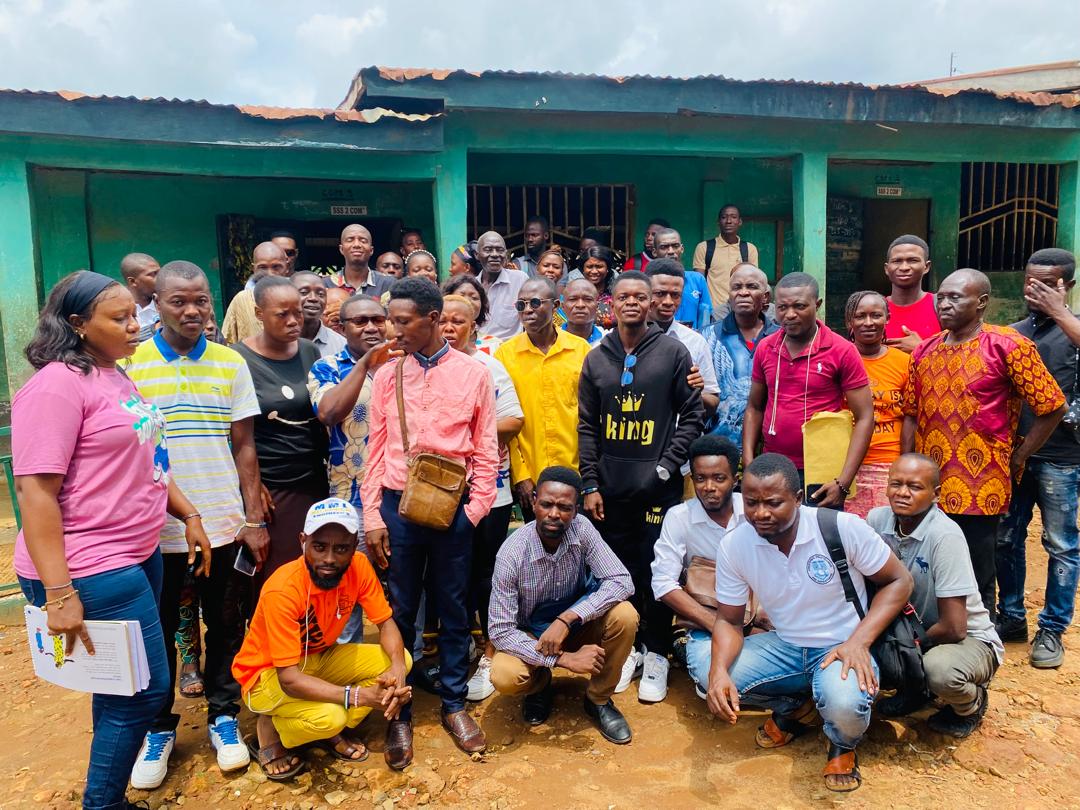
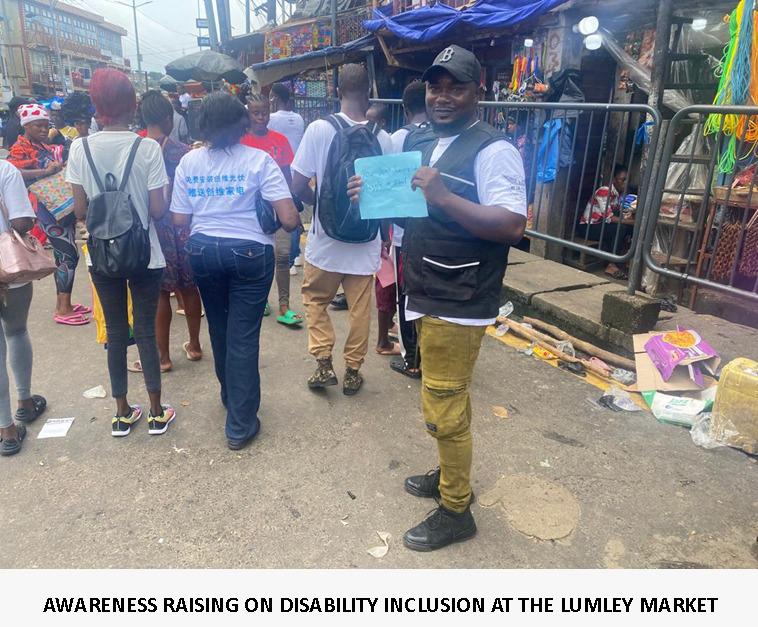
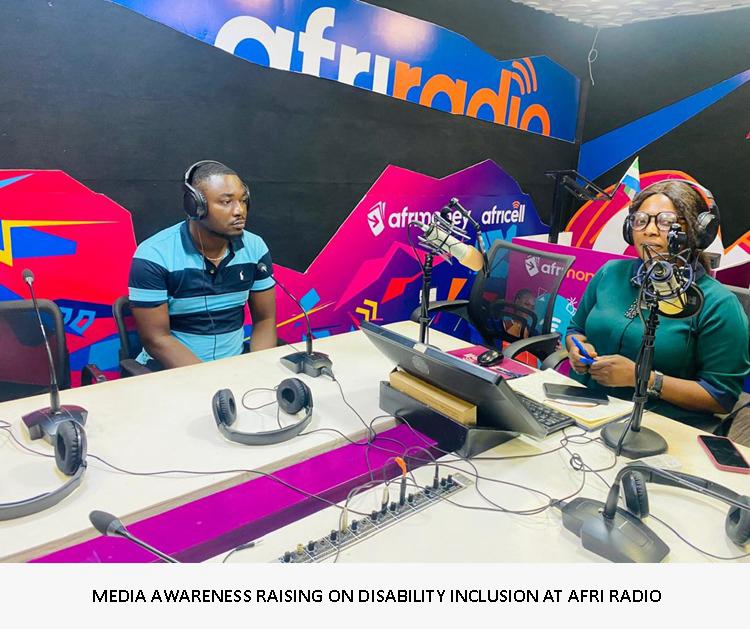
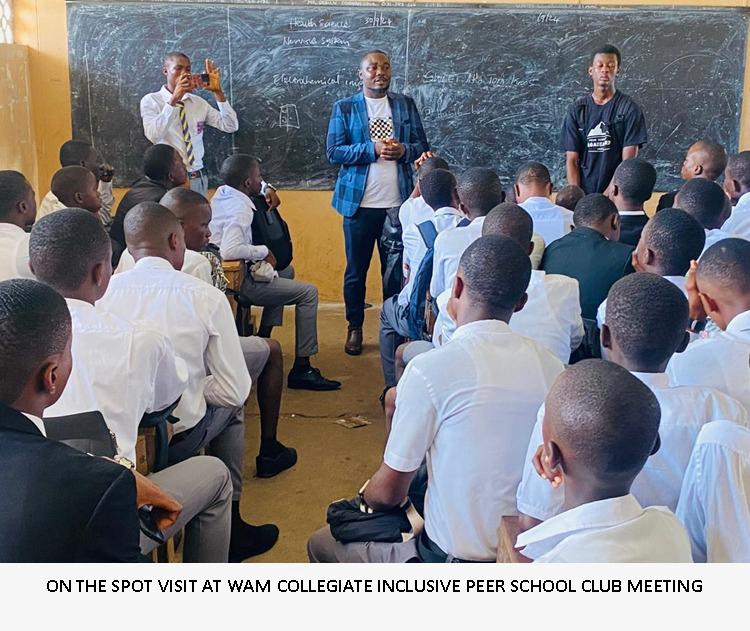
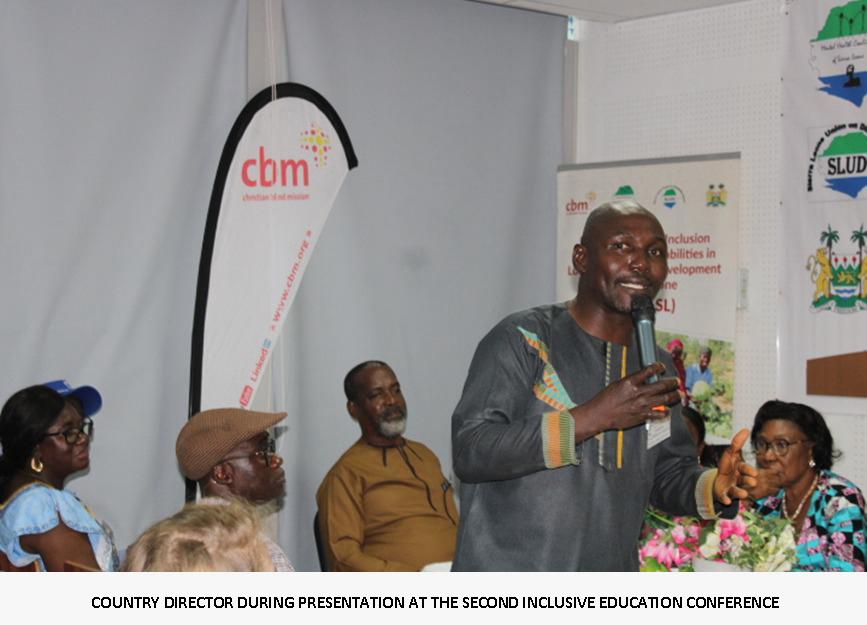
Beyond institutional well-being, the Coalition has continued engaging men and communities through awareness raising, advocacy, dialogue, and psychosocial engagement initiatives aimed at ensuring that men’s mental health is not excluded from public health conversations. Through community-centered approaches, the Coalition continues to promote the message that men deserve support, emotional safety, and opportunities to speak openly about their struggles without fear of judgment or shame.
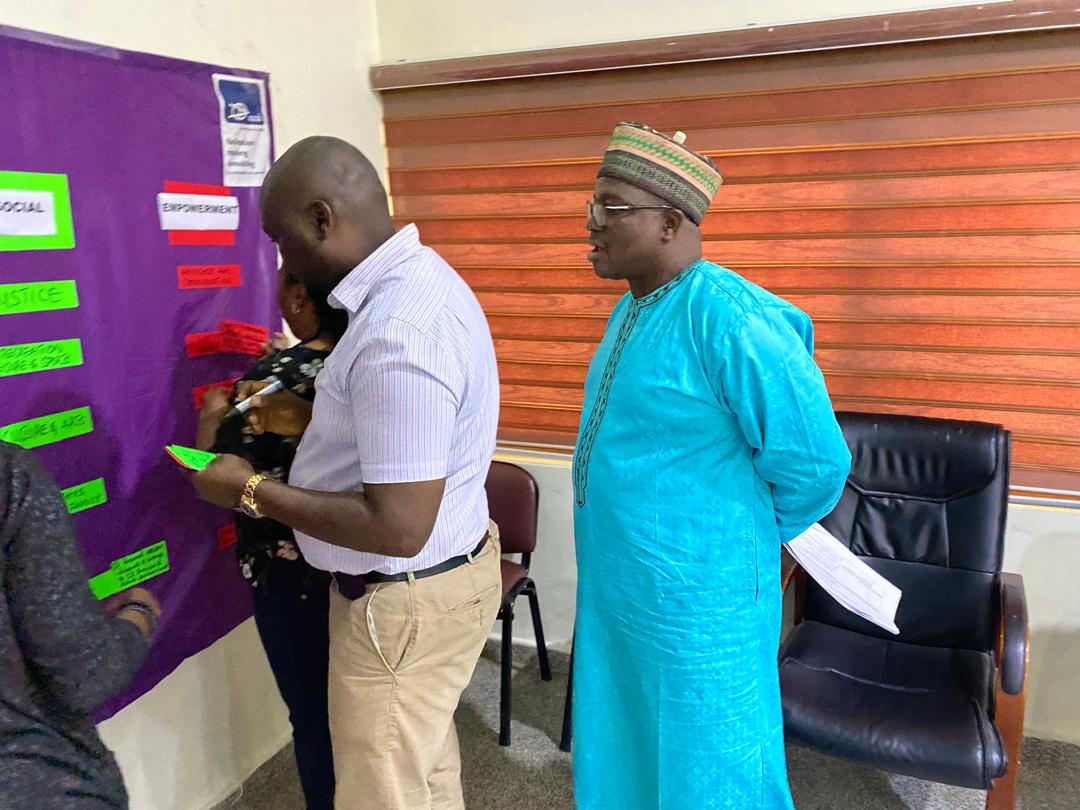
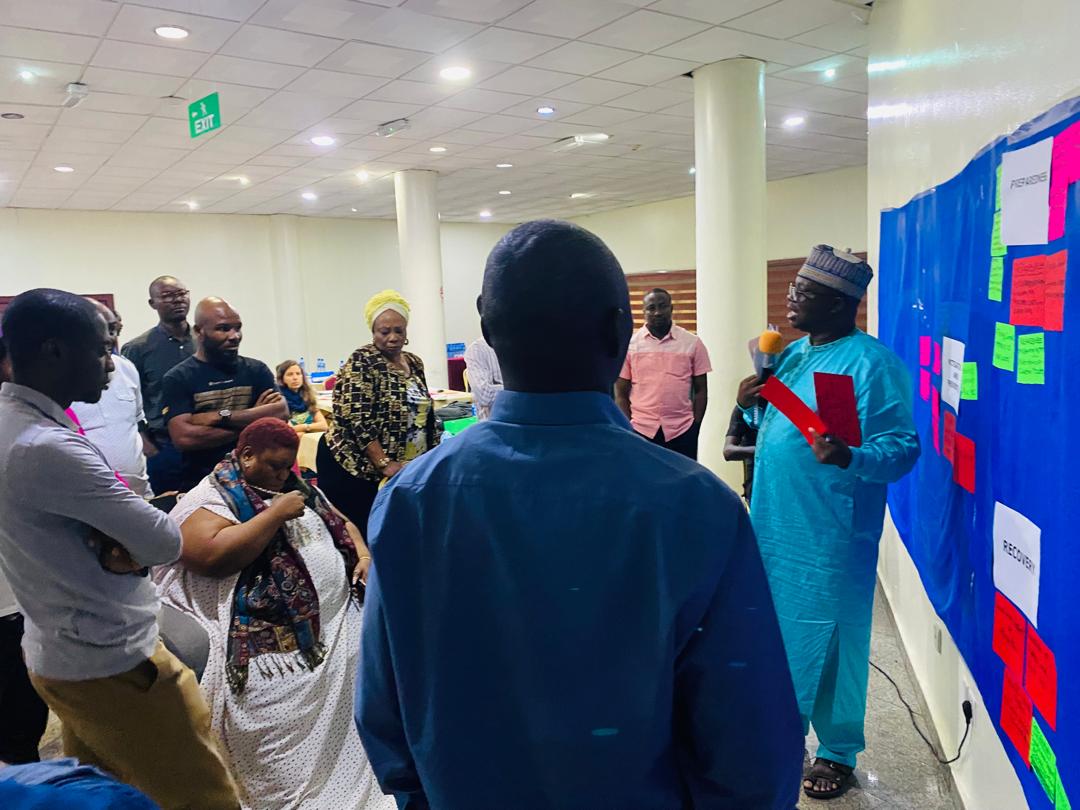
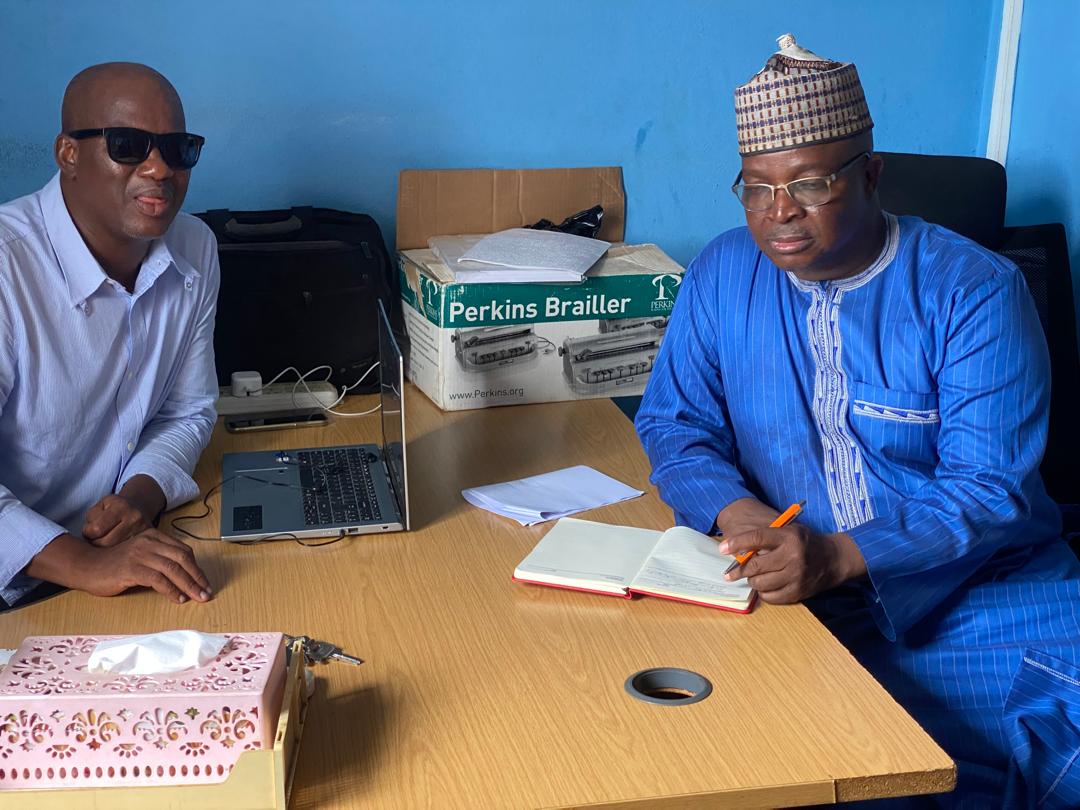
Importantly, the Coalition recognizes the power of “men engaging men.” Many men feel more comfortable opening up when conversations are led by fellow men who understand the realities of social pressure, responsibility, cultural expectations, and emotional isolation. Creating safe spaces where men can speak honestly to other men is critical in dismantling harmful stereotypes around masculinity and emotional expression.
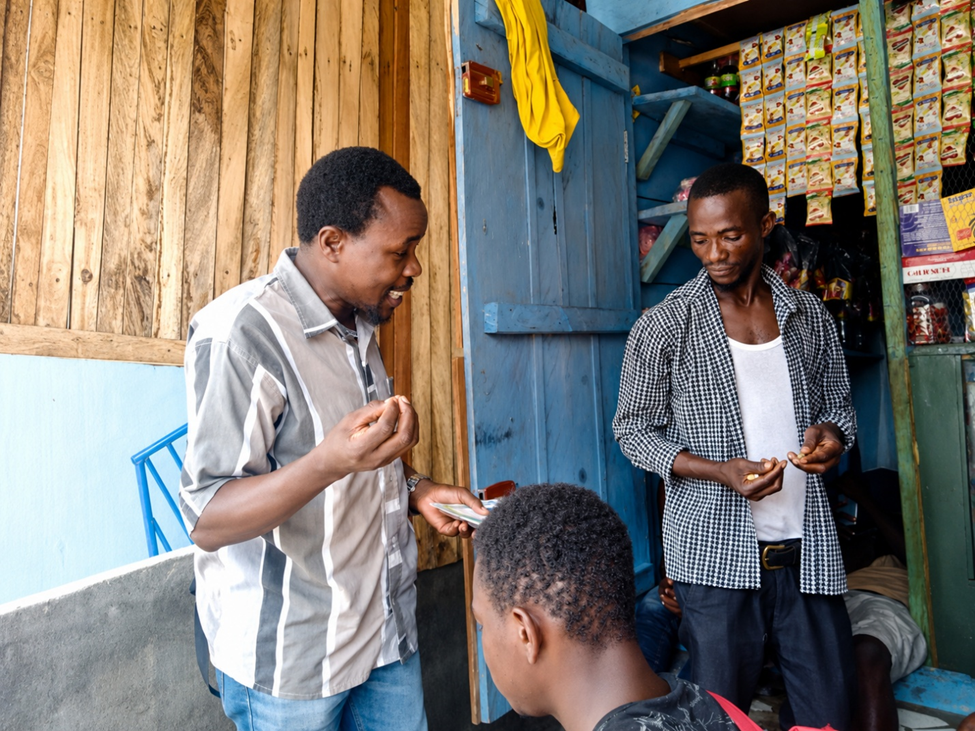
Men’s mental health is not a secondary issue. It is a family issue, a community issue, a workplace issue, and a national development issue. When men suffer in silence, families feel the impact, relationships suffer, productivity declines, and communities become emotionally disconnected.
Promoting men’s mental wellbeing therefore requires collective responsibility. Families must create emotionally safe homes. Communities must reject harmful stigmas around vulnerability. Workplaces must value psychological wellbeing alongside productivity. Faith leaders, traditional leaders, policymakers, and civil society organizations must all contribute to building a culture where seeking help is seen as wisdom rather than weakness.
As we observe Men’s Mental Health Awareness Month, we must move beyond symbolic recognition toward meaningful action. Men should not only be valued for what they provide, but also for who they are as human beings.
Because behind the strength many men project are often untold stories, unspoken struggles, and invisible emotional weight.
And sometimes, the strongest thing a man can do is speak!