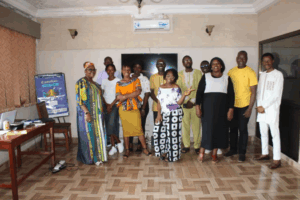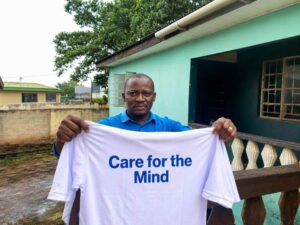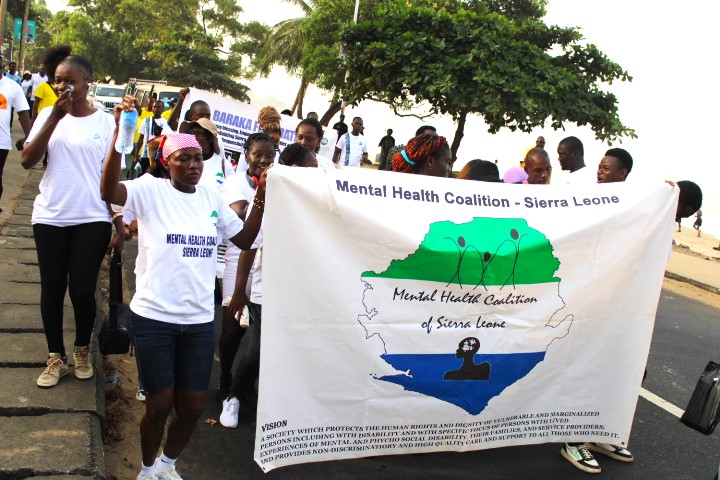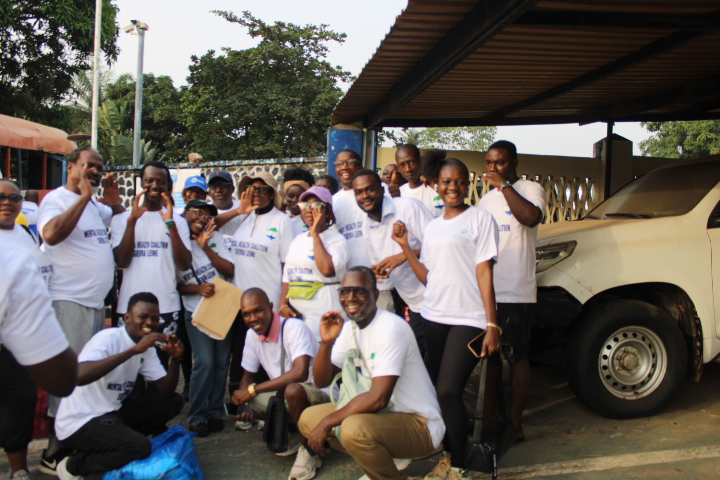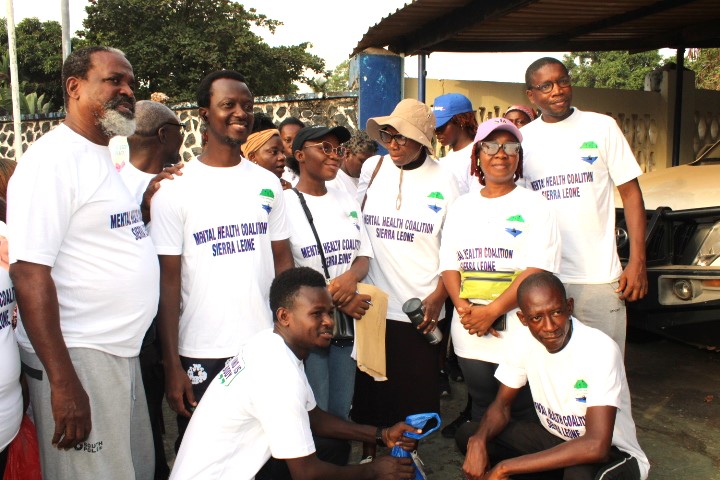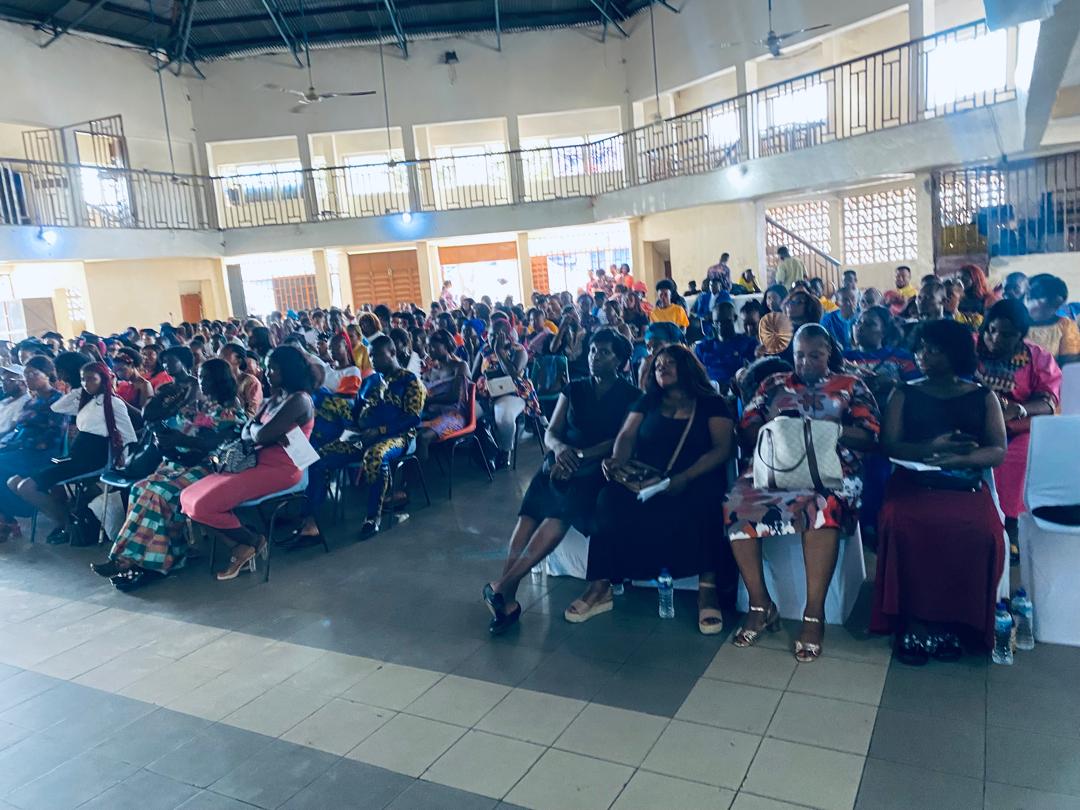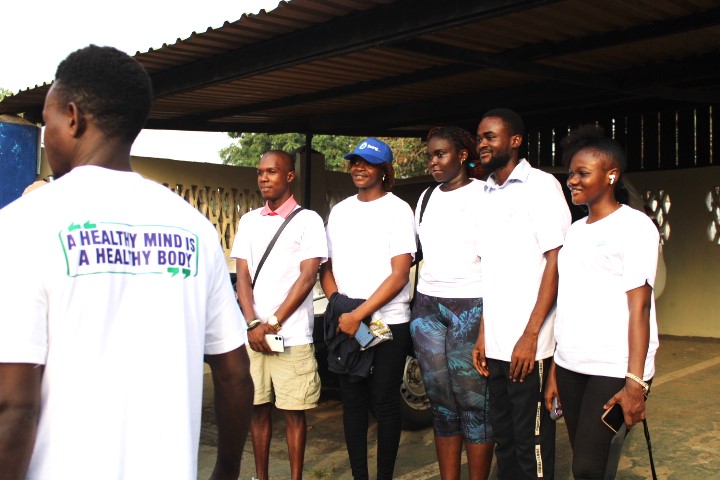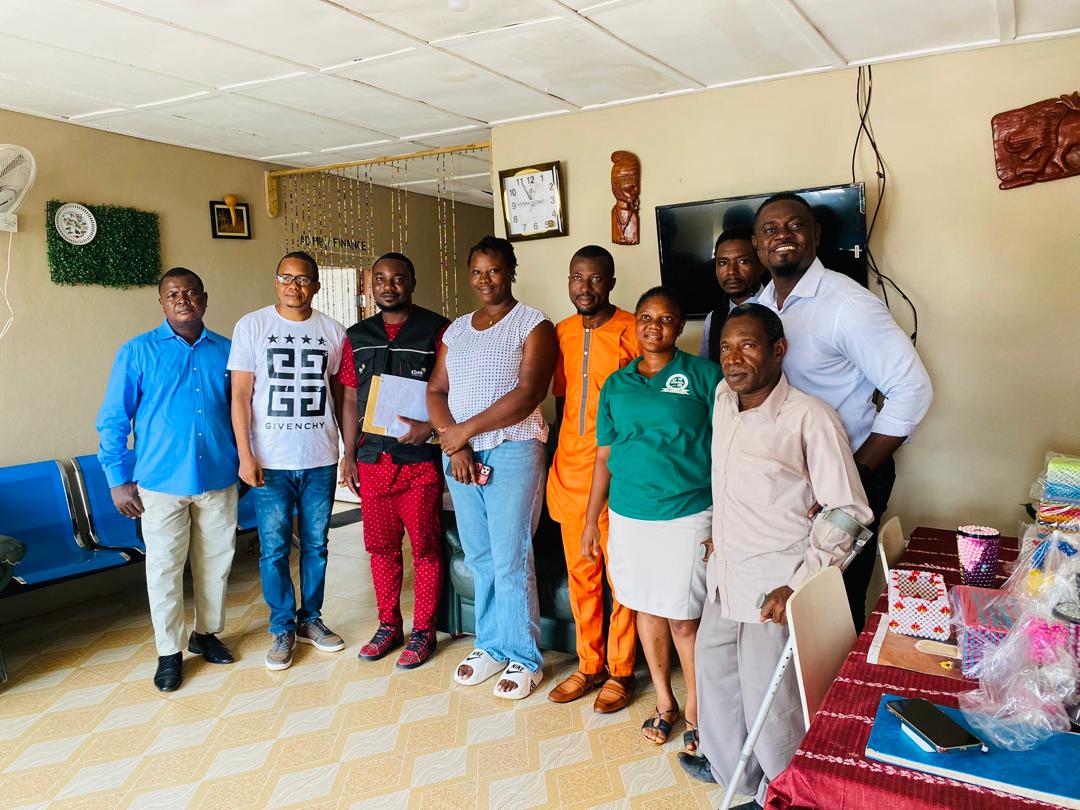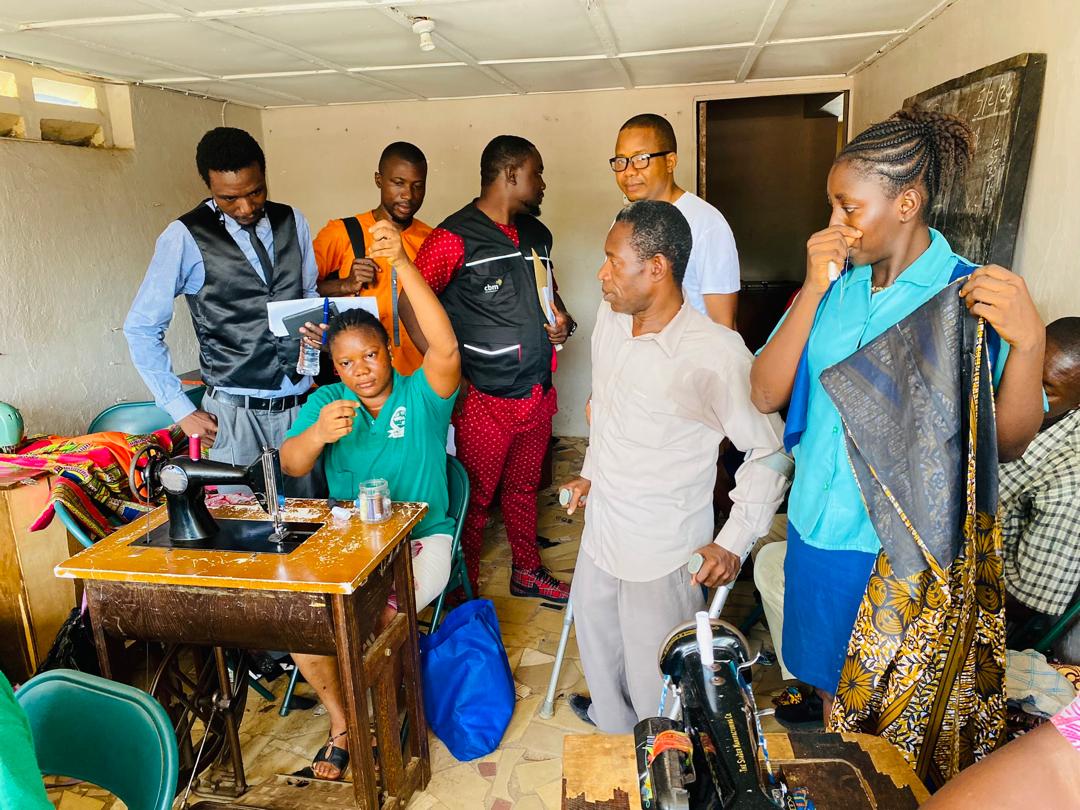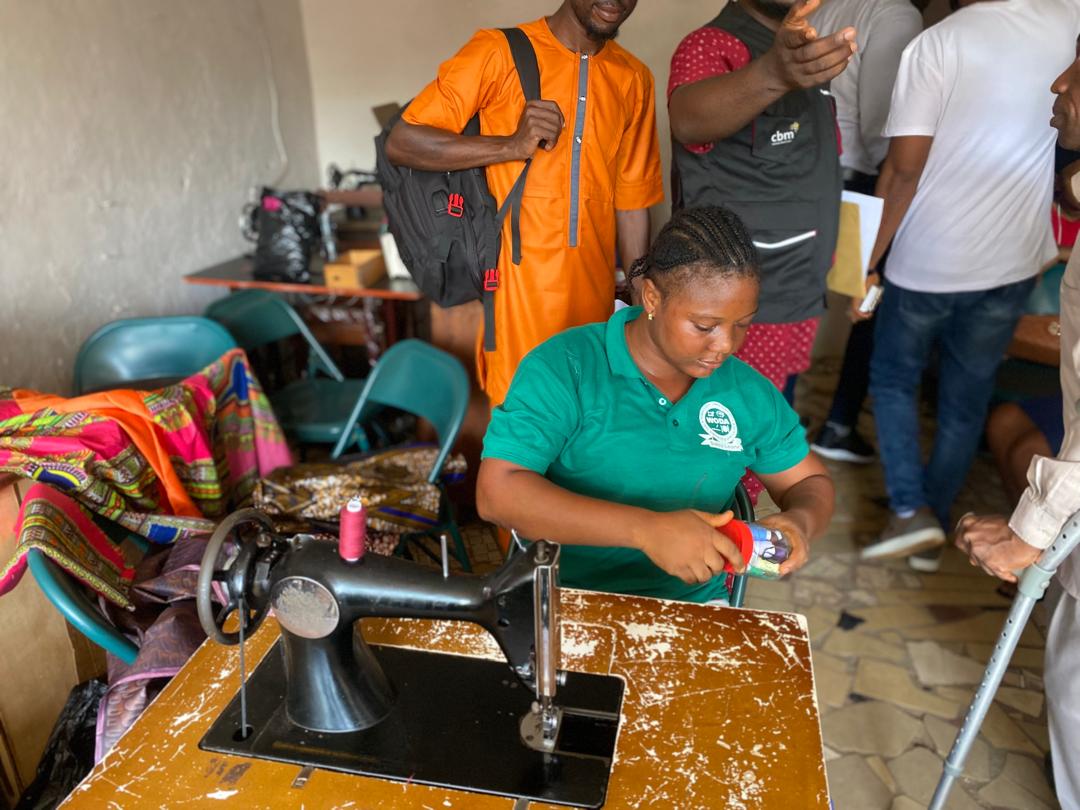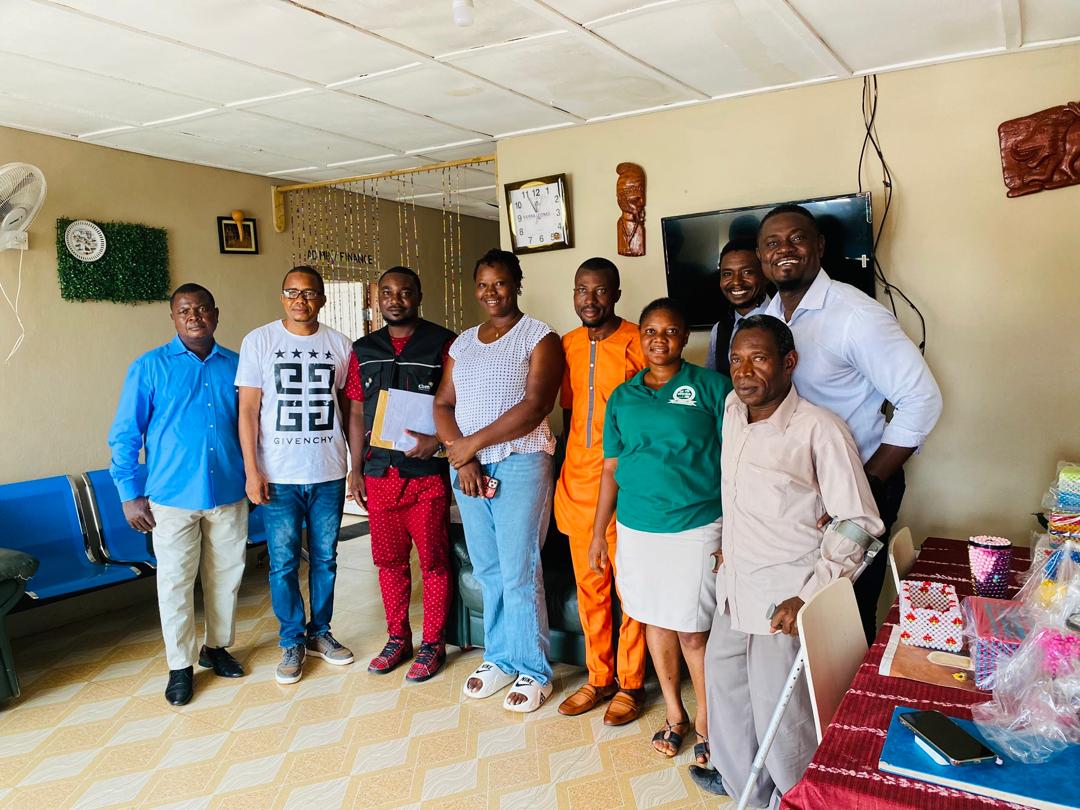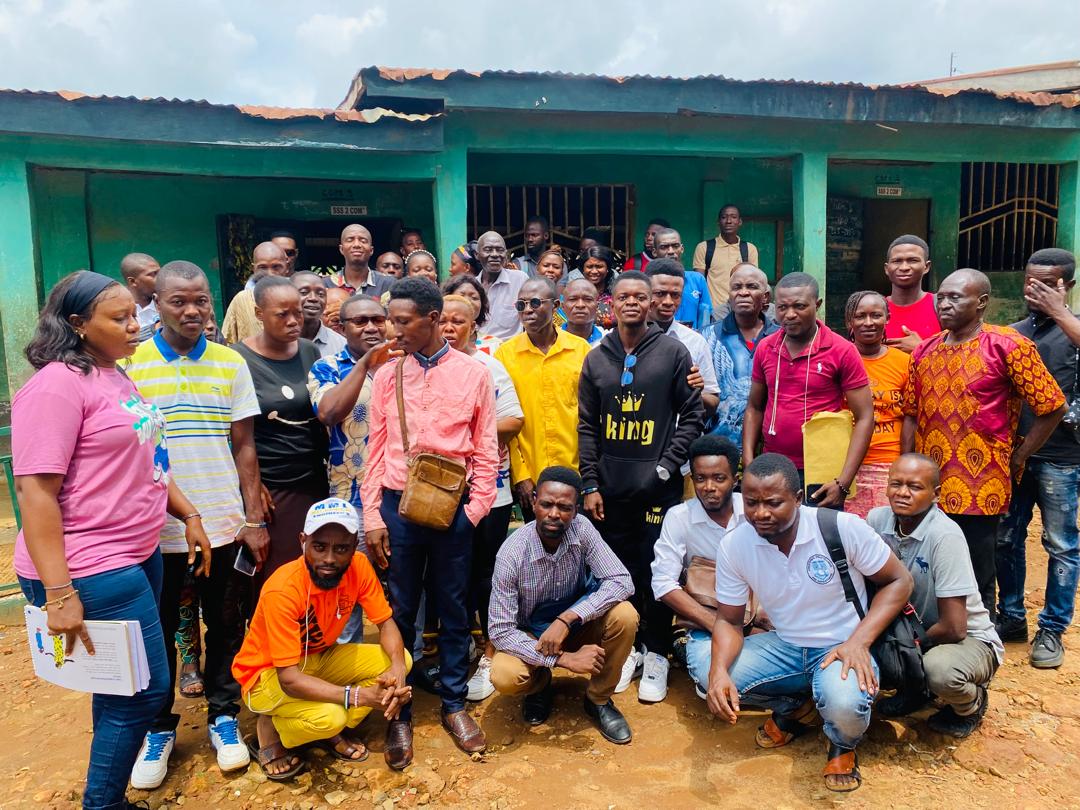
As Africa commemorates the Day of the African Child 2026 under the theme “Ensuring Universal Access to Water, Sanitation, and Hygiene for Every Child,” the Mental Health Coalition Sierra Leone (MHC-SL) joined pupils and staff of Rural Education Committee Primary School (R.E.C – Kossoh Town) in Freetown to promote healthy hygiene practices and reaffirm the importance of inclusive learning environments where every child can thrive.
Access to clean water, safe sanitation facilities, and good hygiene practices remains fundamental to the health, dignity, protection, and educational success of children. Yet, many children across Africa continue to face barriers that affect their well-being and limit their opportunities to reach their full potential. These challenges are often more pronounced for children living with disabilities, who frequently encounter physical, social, and environmental obstacles within educational settings.
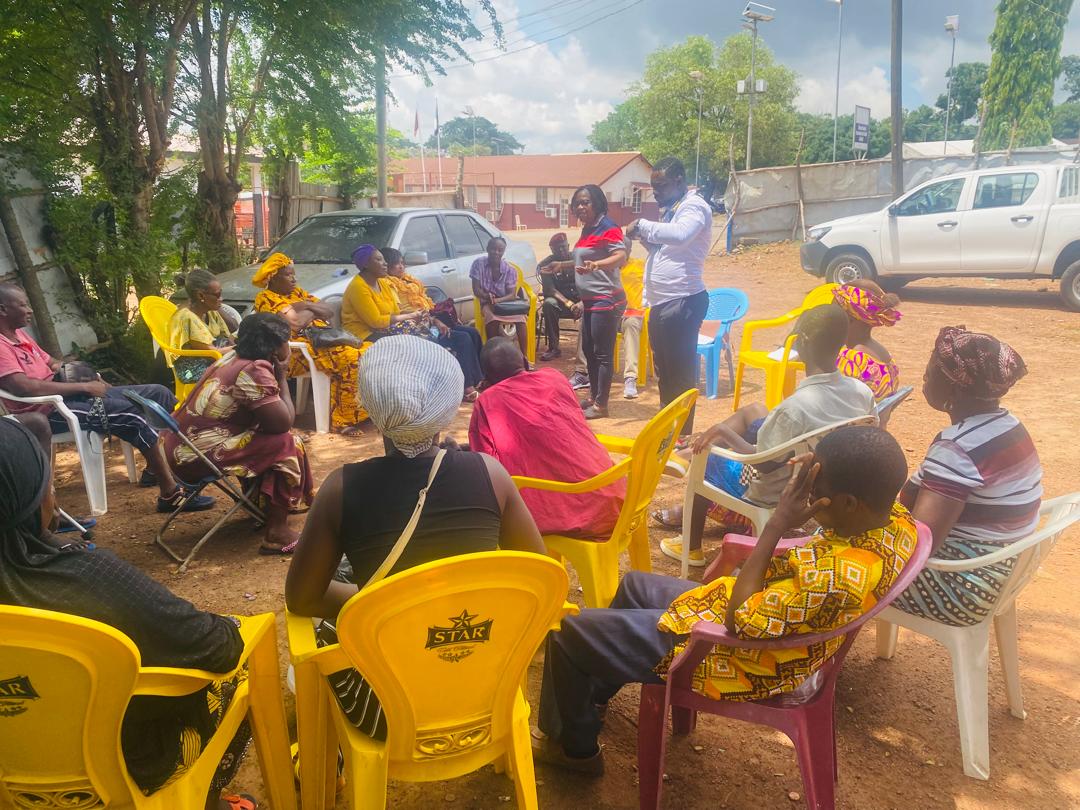
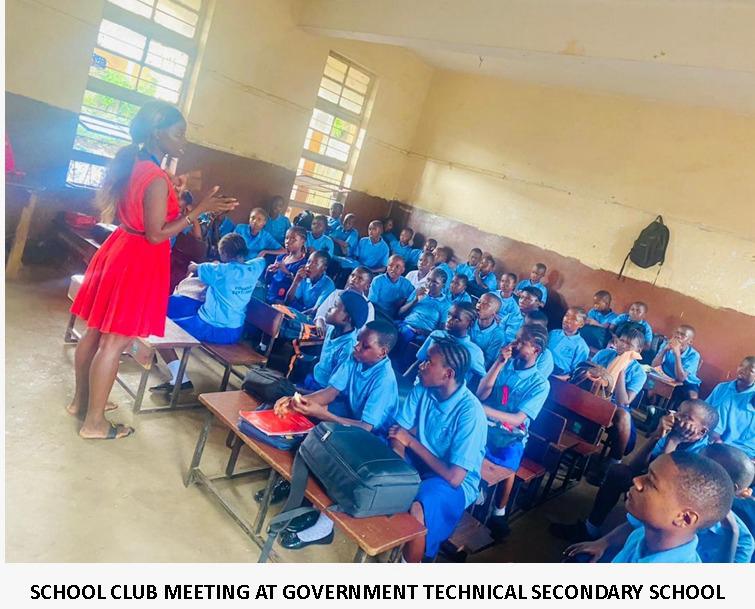
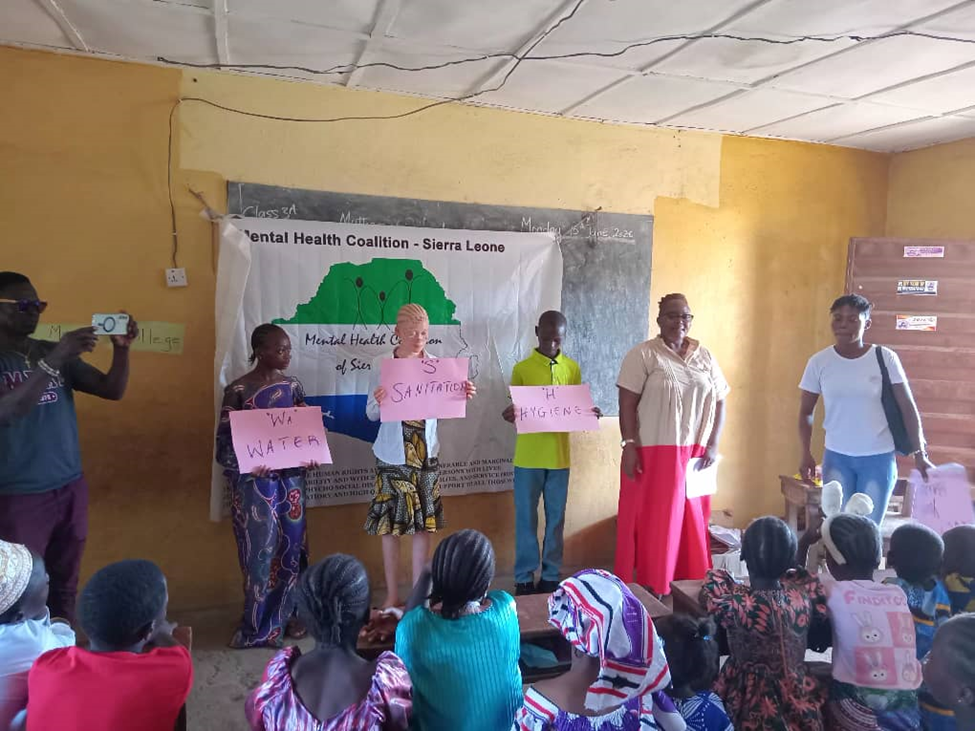
Recognizing the strong connection between health, inclusion, and learning, MHC-SL organized a WASH awareness and practical demonstration session at REC Primary School, bringing together pupils, teachers, members of the Inclusive School Club, and project staff in a meaningful engagement focused on promoting positive hygiene behaviours.
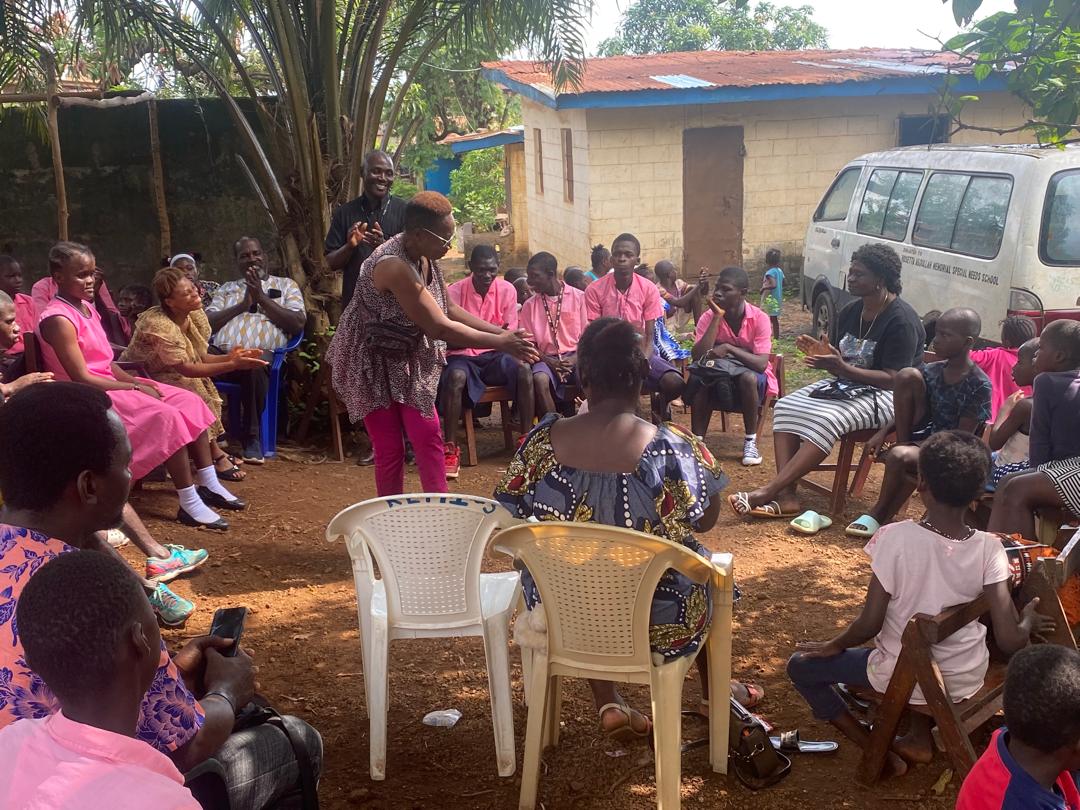
The activity commenced with an interactive session on the importance of Water, Sanitation, and Hygiene (WASH), facilitated by the MHC-SL Project Officer with support from management and project team members. Pupils were encouraged to reflect on the role of hygiene in preventing disease, improving school attendance, and creating healthier communities.
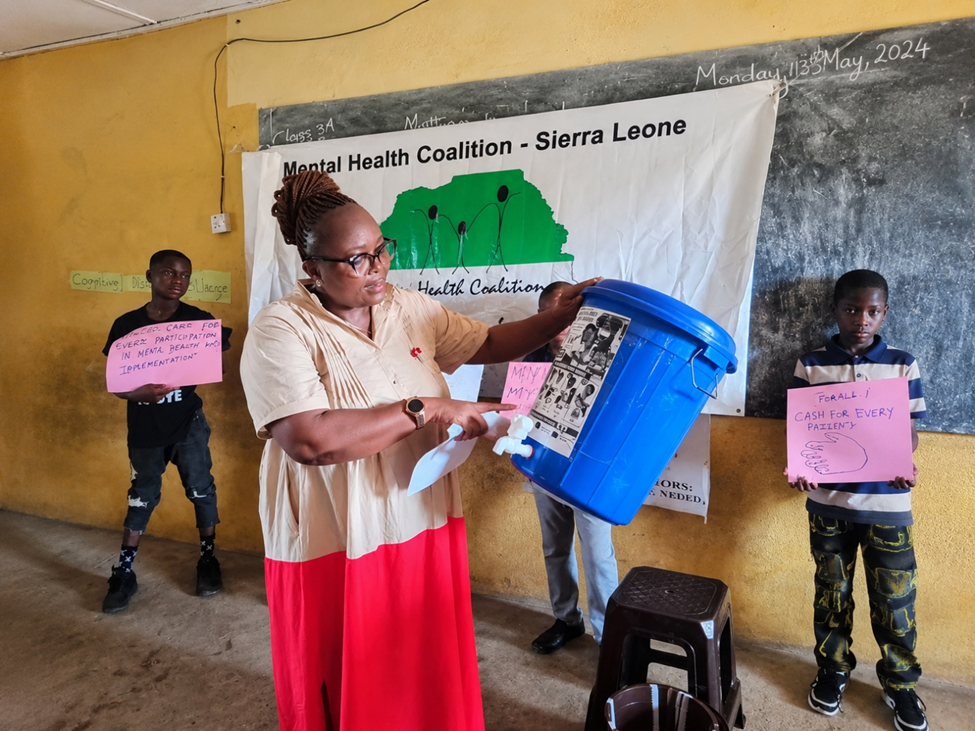
A practical handwashing demonstration followed, led by the Programme Support Services Manager, Madam Isata Timsah-Delaney, who guided pupils through the recommended handwashing process and reinforced key hygiene messages. Through active participation and demonstration, pupils gained practical knowledge of how simple hygiene practices can significantly reduce the spread of infections and improve health outcomes.
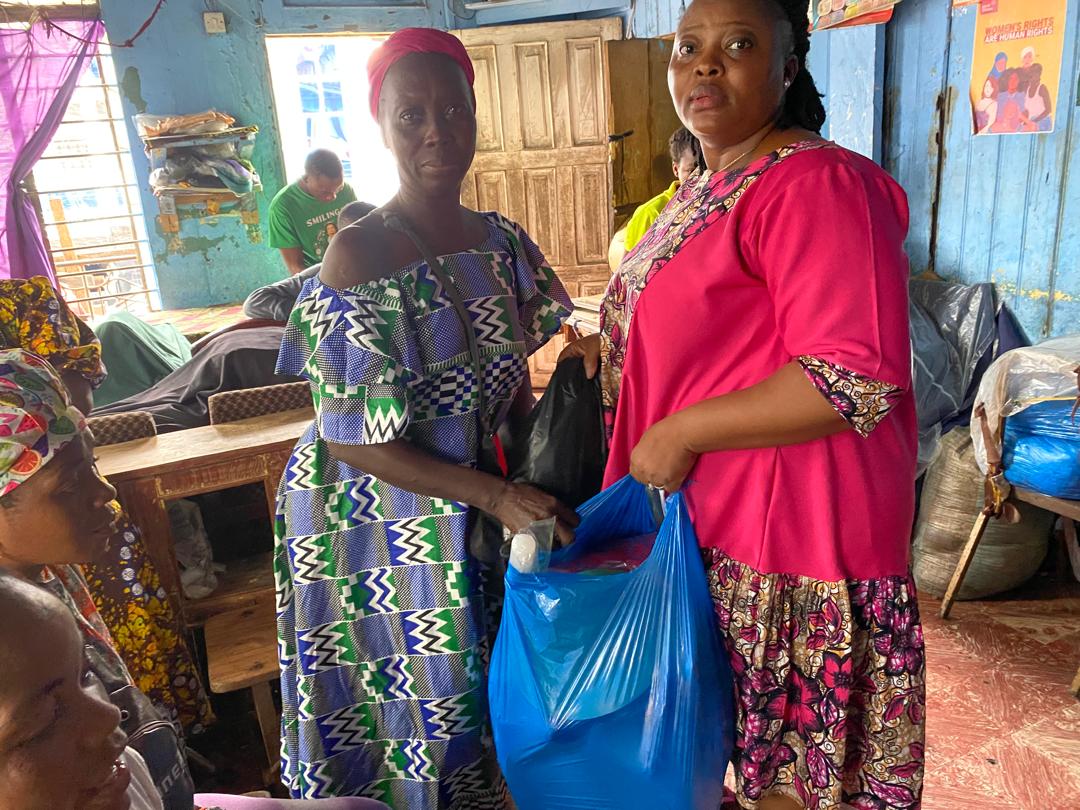
To strengthen the school’s existing hygiene infrastructure, MHC-SL donated essential WASH supplies, including Veronica Buckets, liquid soap, bar soap, hand sanitizers, and tissue papers. The donation is intended to support the school’s ongoing efforts to maintain a clean, safe, and healthy learning environment for both pupils and staff.
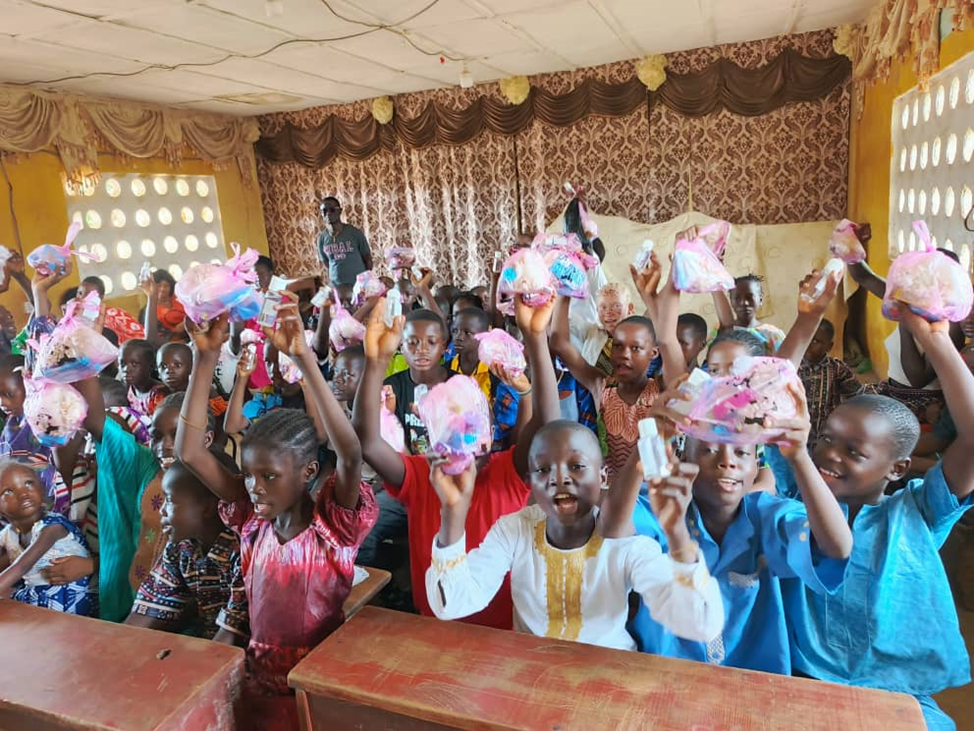
The event concluded with an interactive engagement session and the presentation of gift packages to pupils and staff, creating an atmosphere of celebration and shared commitment to child well-being.
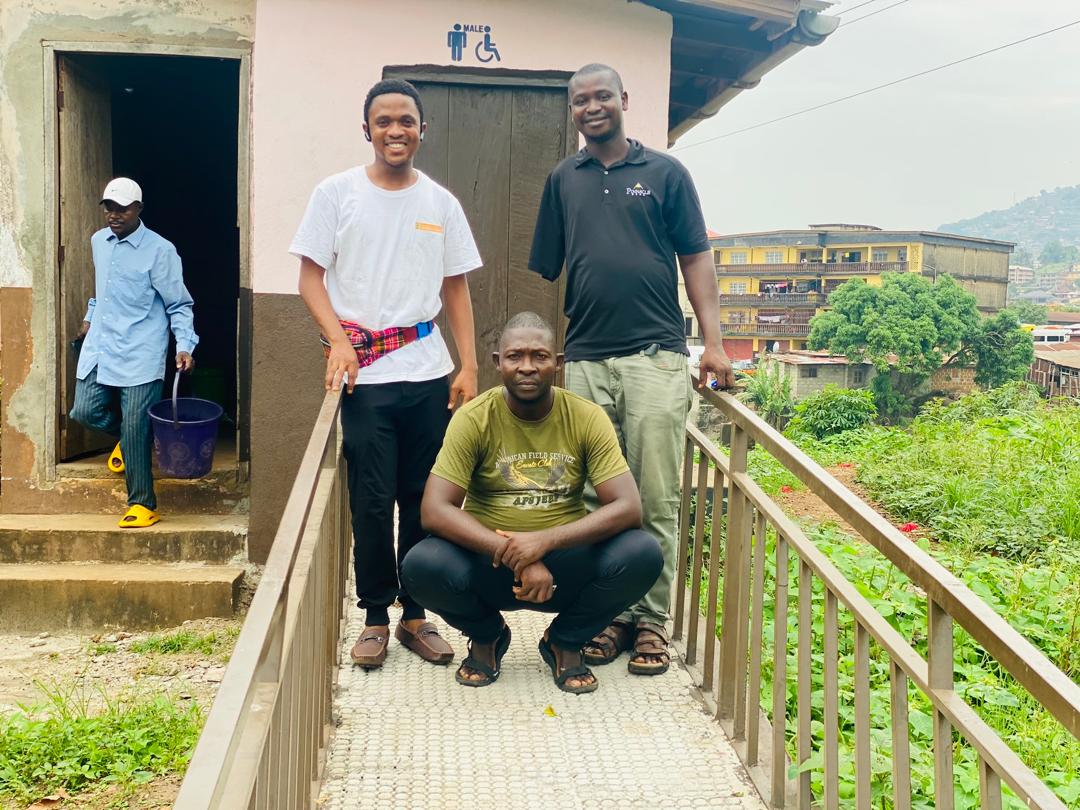
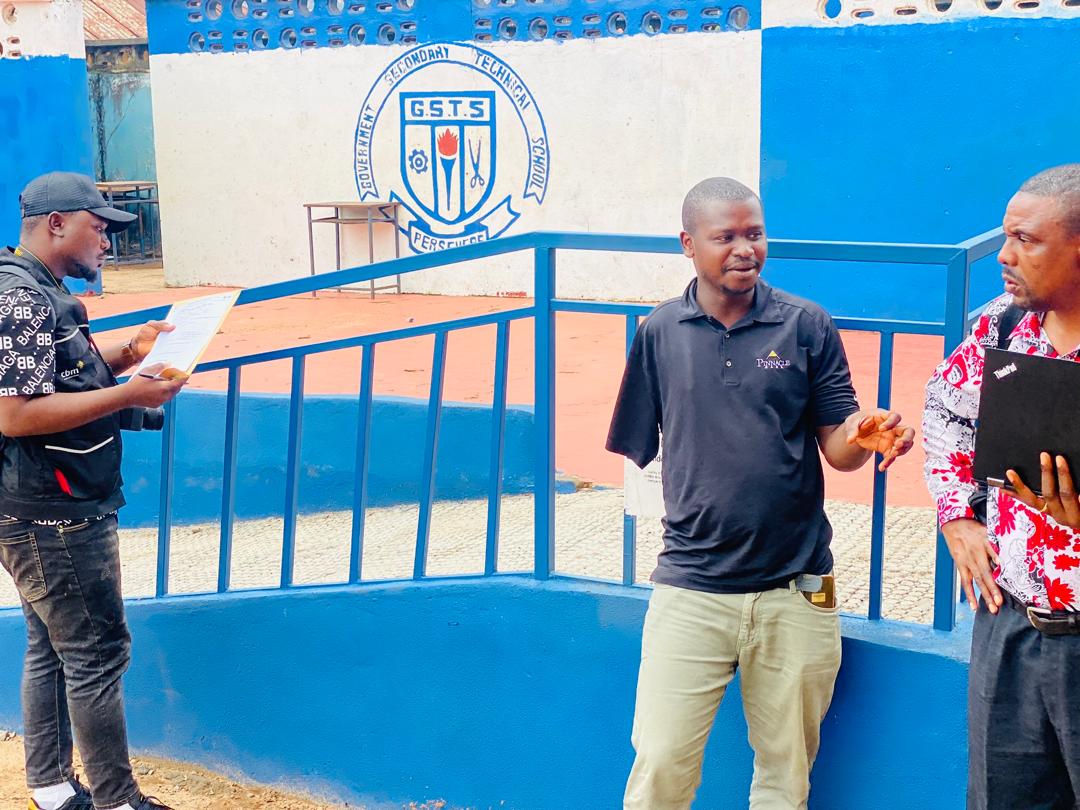
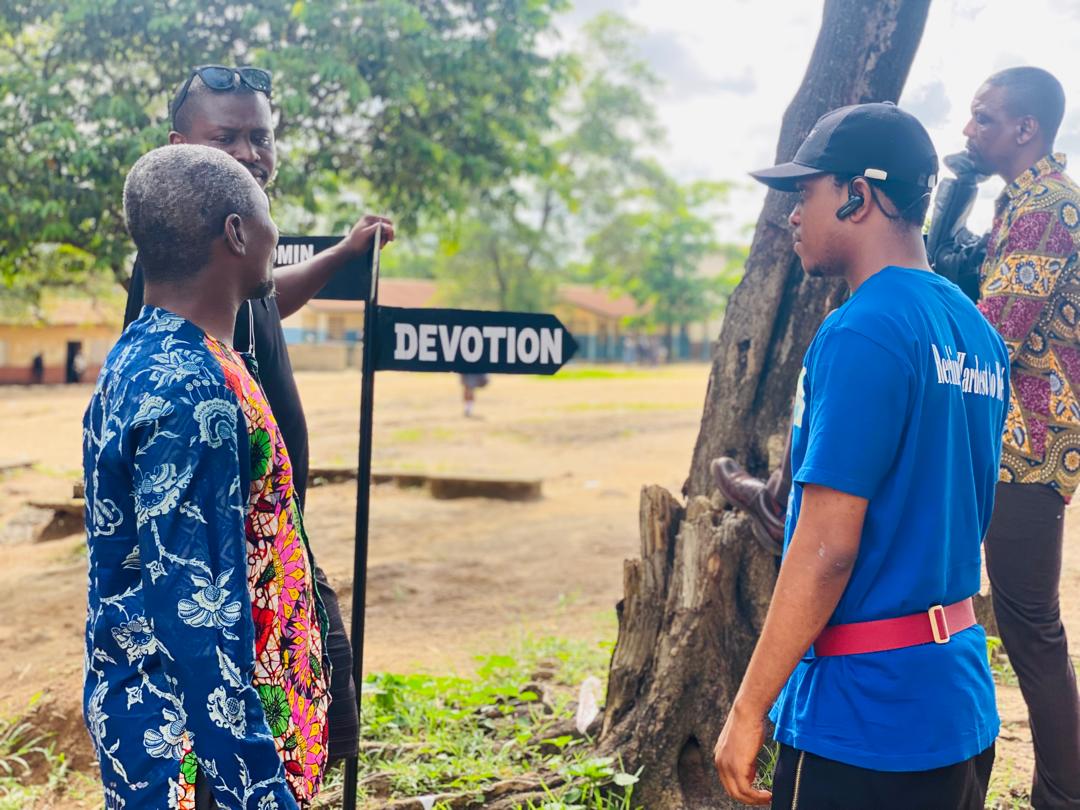
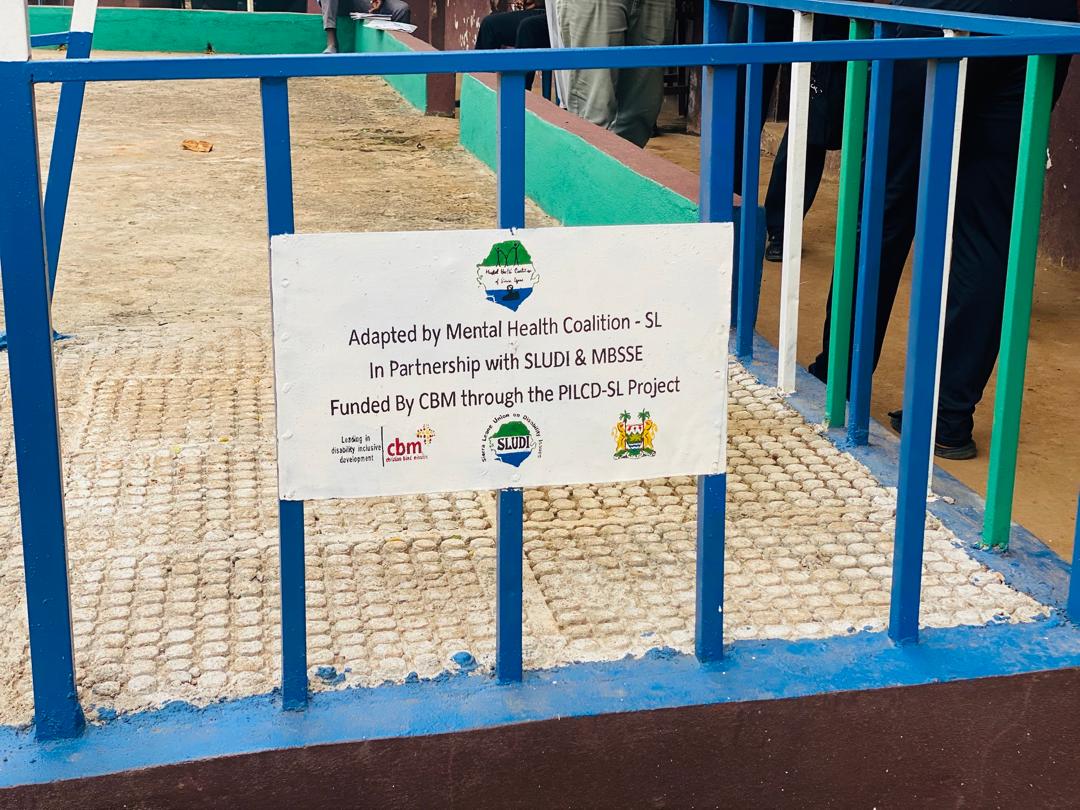
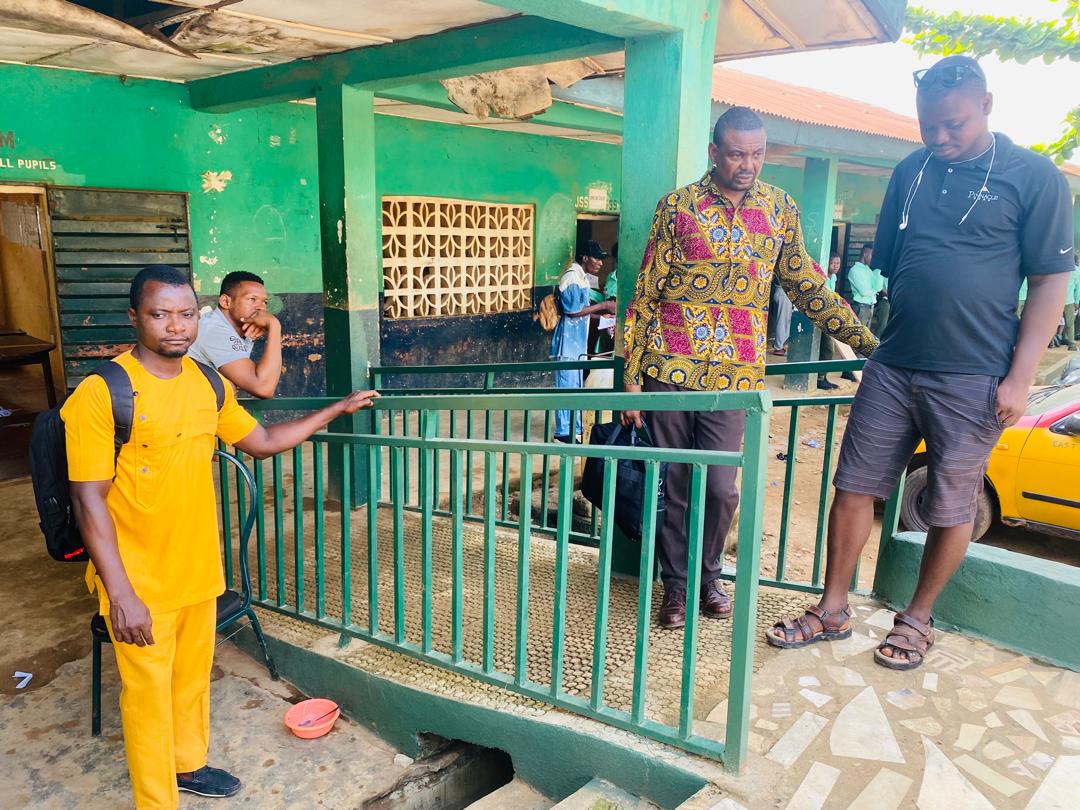
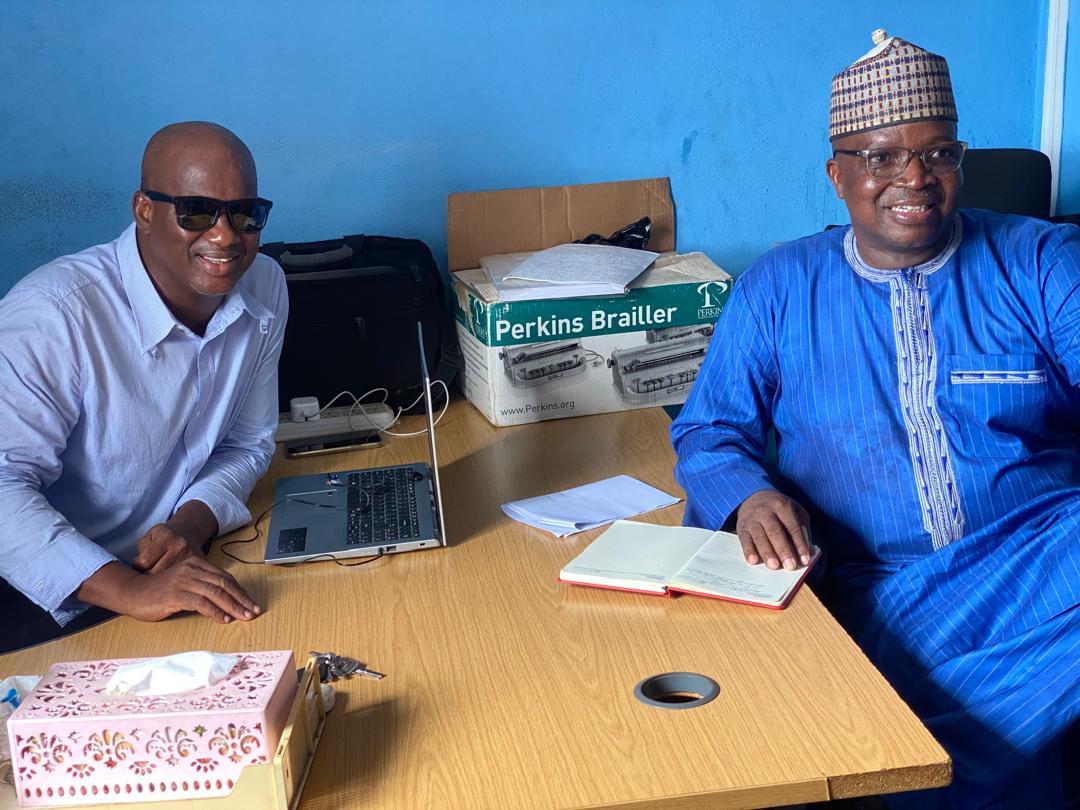
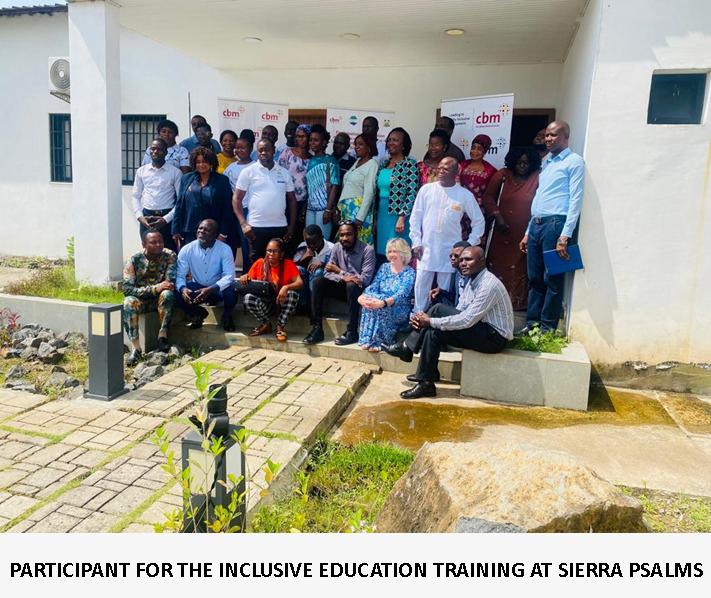
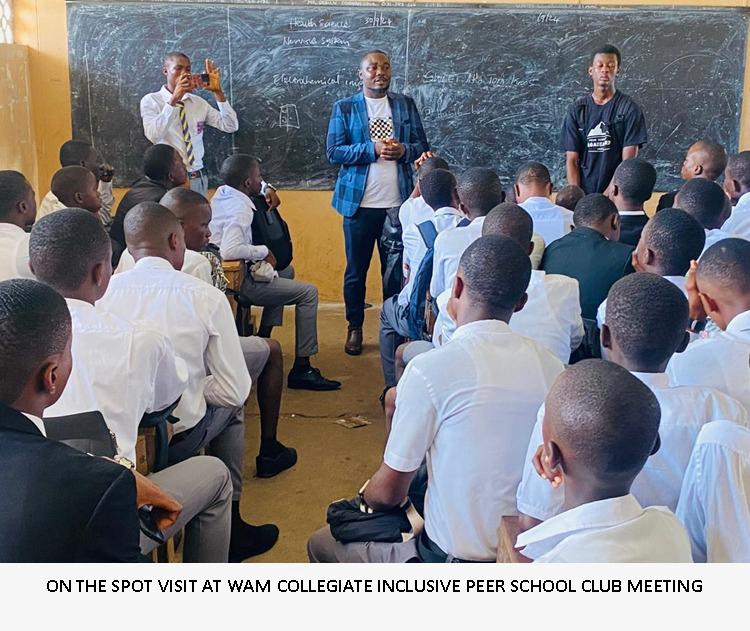
The activity also highlighted MHC-SL’s broader commitment to inclusive education. REC Primary School is among the schools supported by the Coalition through interventions aimed at improving accessibility and participation for children with disabilities. Through its inclusive education programme, MHC-SL has supported the construction of ramps, accessible restroom facilities, widened doorways, improved signage and visual aids, provision of Braille and large-print materials, assistive technologies, and capacity-building initiatives for teachers and school personnel.
These interventions reflect MHC-SL’s belief that access to education must go hand in hand with access to safe water, sanitation, hygiene facilities, and an enabling environment that supports the participation of all learners. Schools that are inclusive, accessible, and hygienic are better positioned to foster learning, improve attendance, protect children’s health, and promote equal opportunities.
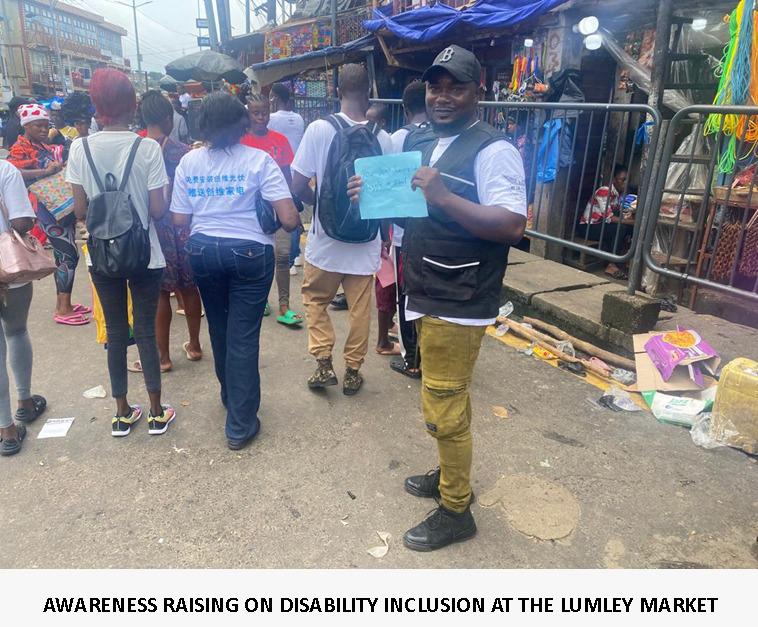
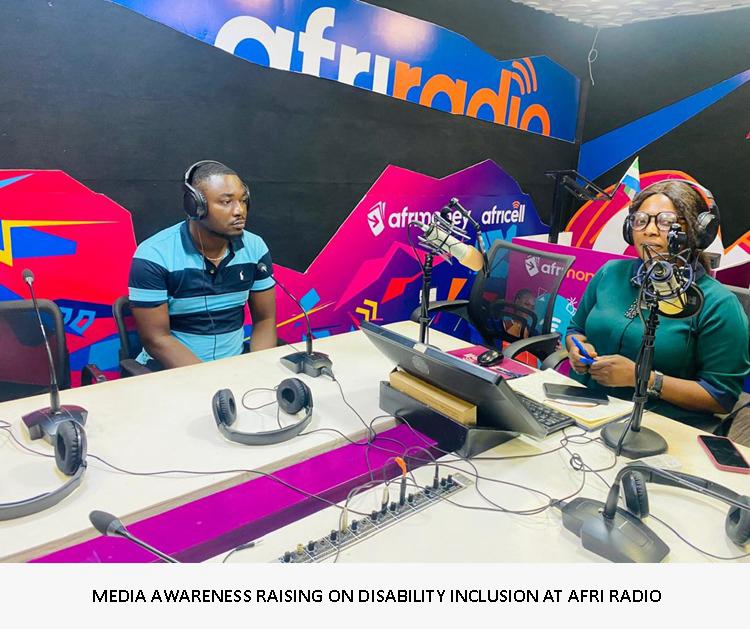
As the continent observes the Day of the African Child, MHC-SL calls on government institutions, development partners, communities, and schools to continue investing in WASH and inclusive education initiatives that leave no child behind. Ensuring that every child has access to clean water, safe sanitation, proper hygiene facilities, and quality inclusive education is not only a development priority—it is a fundamental right.
Mental Health Coalition Sierra Leone remains committed to working with schools, communities, and partners to create safe, inclusive, and supportive learning environments where every child can learn with dignity, participate fully, and achieve their potential.