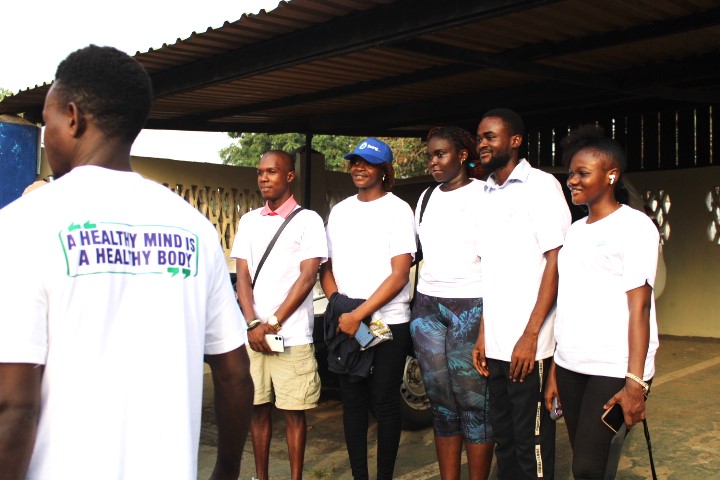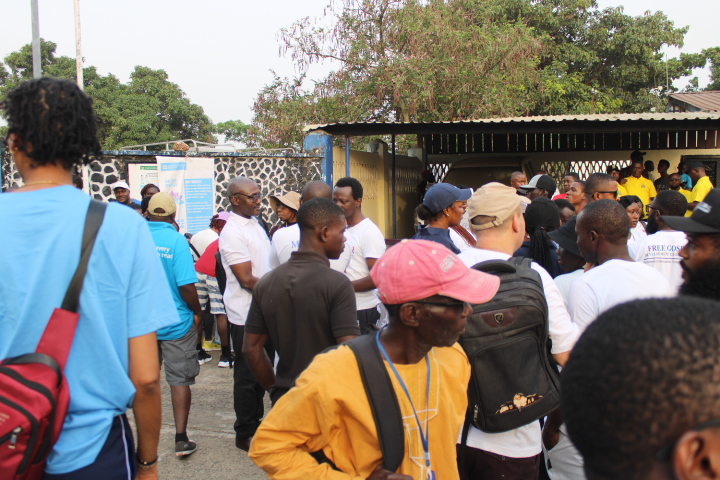
The mind is central to human wellbeing, yet it is often neglected. Across communities, much attention is given to physical health because physical conditions are easier to see. When someone has a visible injury, illness, or disability, people are more likely to respond quickly with concern and support. Mental and emotional struggles, however, are often hidden beneath the surface.
This raises an important question: why do we separate the body from the mind when both are part of the same person?
A person is more than what can be seen physically. Human well-being is holistic. It includes the body, the mind, emotions, relationships, and the ability to function meaningfully within family and community life. When the mind is overwhelmed, stressed, traumatized, or neglected, the effects can be just as serious as physical illness.
Unfortunately, mental health is frequently ignored until a crisis occurs. In many cases, people only begin to pay attention when someone experiences a breakdown, becomes unable to cope, develops harmful behaviors, or faces severe emotional distress. By then, the individual may have already suffered in silence for a long time.
But should people have to “crash” before receiving care and attention?

Mental health challenges do not begin at the point of crisis. Stress, anxiety, depression, trauma, loneliness, substance misuse, family pressures, economic hardship, social isolation, and unresolved emotional pain often develop gradually over time. Without support, these experiences can affect relationships, productivity, decision-making, education, parenting, and overall quality of life.
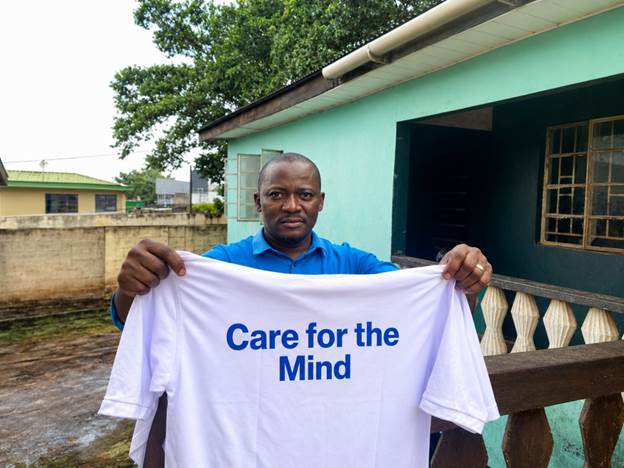
Care for the mind means recognizing these realities early and responding with compassion, dignity, and support.
This responsibility belongs to all of us. Mental health care is not only for hospitals, specialists, or emergencies. It begins in homes, schools, workplaces, churches, mosques, communities, and everyday relationships. Sometimes, caring for the mind can be as simple as listening without judgment, checking on someone consistently, creating safe spaces for conversation, or encouraging people to seek help when needed.
Imagine a society where people cared for one another’s mental well-being with the same seriousness given to physical health. Imagine families where emotional struggles are not mocked or ignored. Imagine communities where seeking help is seen as a strength rather than a weakness. Such environments help people heal, grow, and contribute positively to society.
Mental health affects everyone. At some point in life, any person may experience emotional or psychological challenges—either directly or through someone they love. This is why empathy and understanding are essential. The person struggling could be a friend, a colleague, a spouse, a child, a parent, or even ourselves.
Caring for the mind also means caring for dignity and humanity. Every individual deserves to be treated with respect, support, and hope regardless of their mental health condition or emotional state. Stigma, neglect, discrimination, and harmful treatment only deepen suffering and delay recovery.
Communities become healthier when mental well-being is prioritized alongside physical health. Early support, awareness, social connection, access to care, and compassionate attitudes can prevent many people from reaching crisis point.
The call is simple but urgent: let us care for the mind—our own and that of others.
Because mental health is not separate from life. It is part of what makes us human.