A Partnership Between the University of Makeni and the Mental Health Coalition Sierra Leone
The SUCCEED Intervention is a multi-country mental health research and implementation program operating in Sierra Leone, Malawi, Nigeria, and Zimbabwe. The initiative is dedicated to co-producing evidence-based, community-driven solutions that improve the lives of people living with psychosocial disabilities.
SUCCEED stands for: SUpport, Comprehensive Care and EmpowErment for people with psychosocial Disability in sub-Saharan Africa.
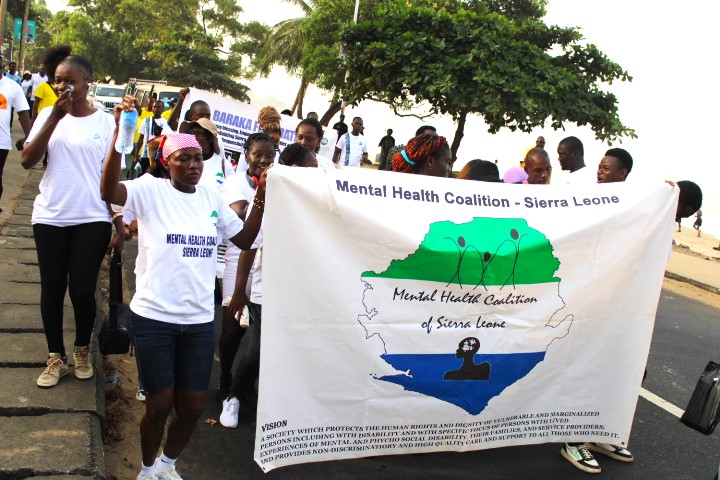
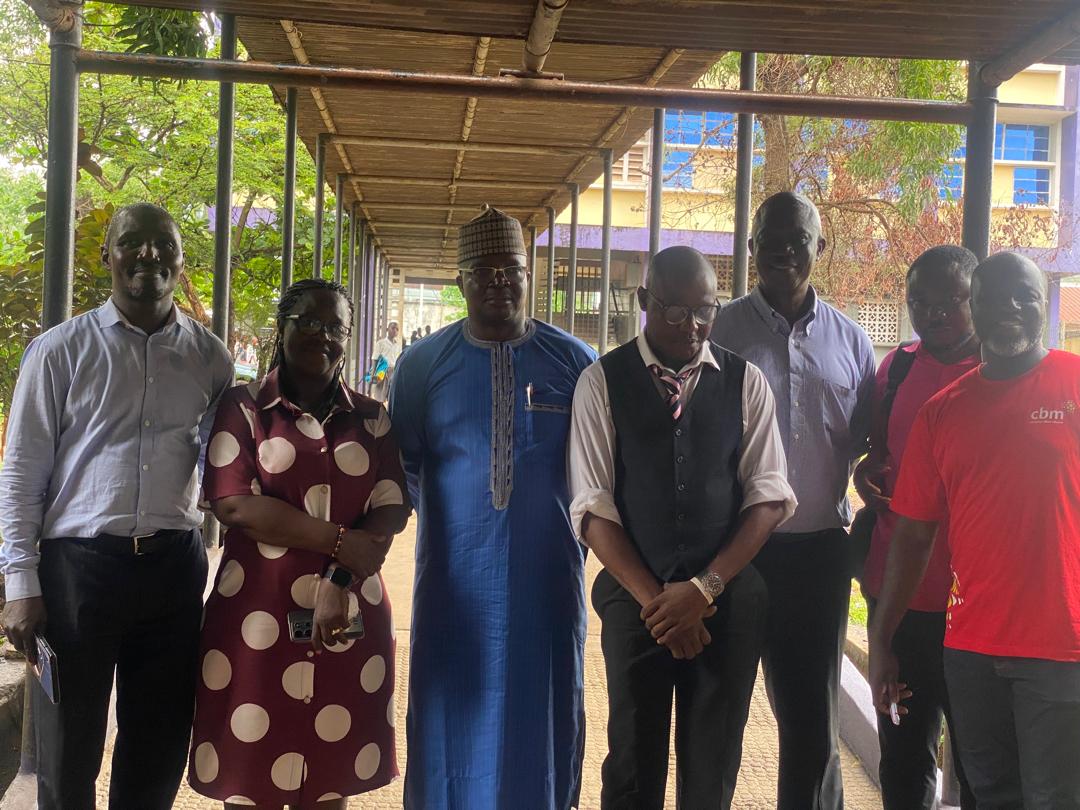
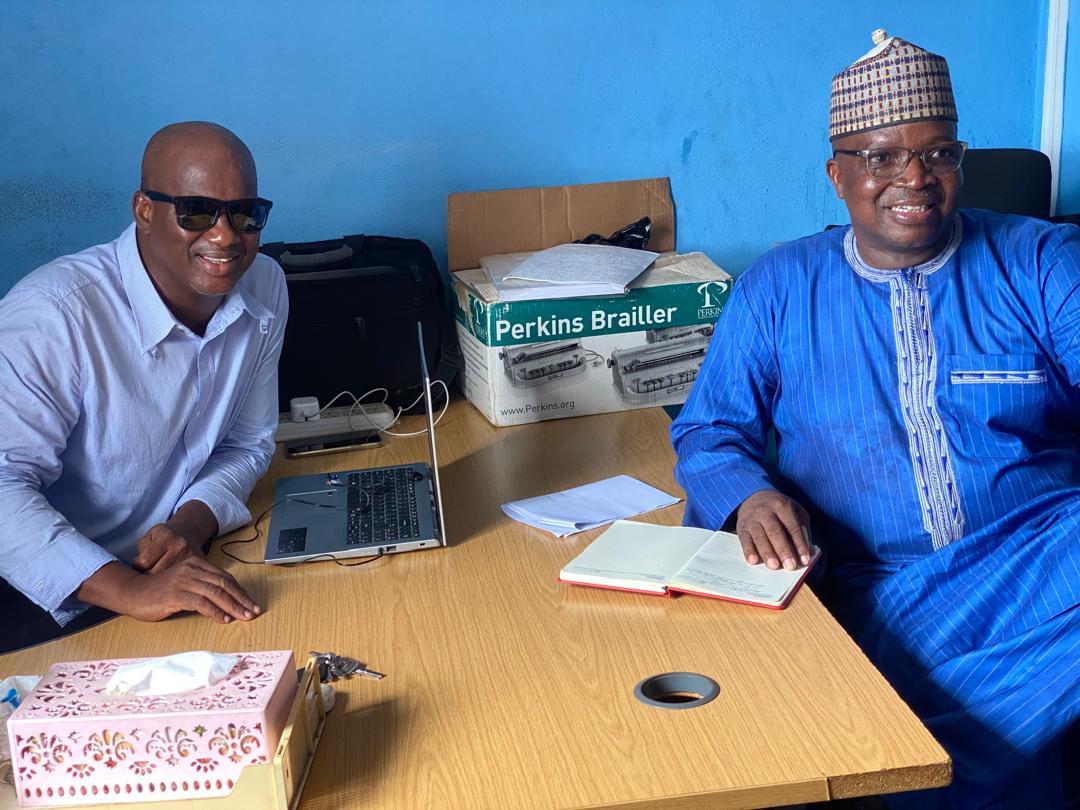
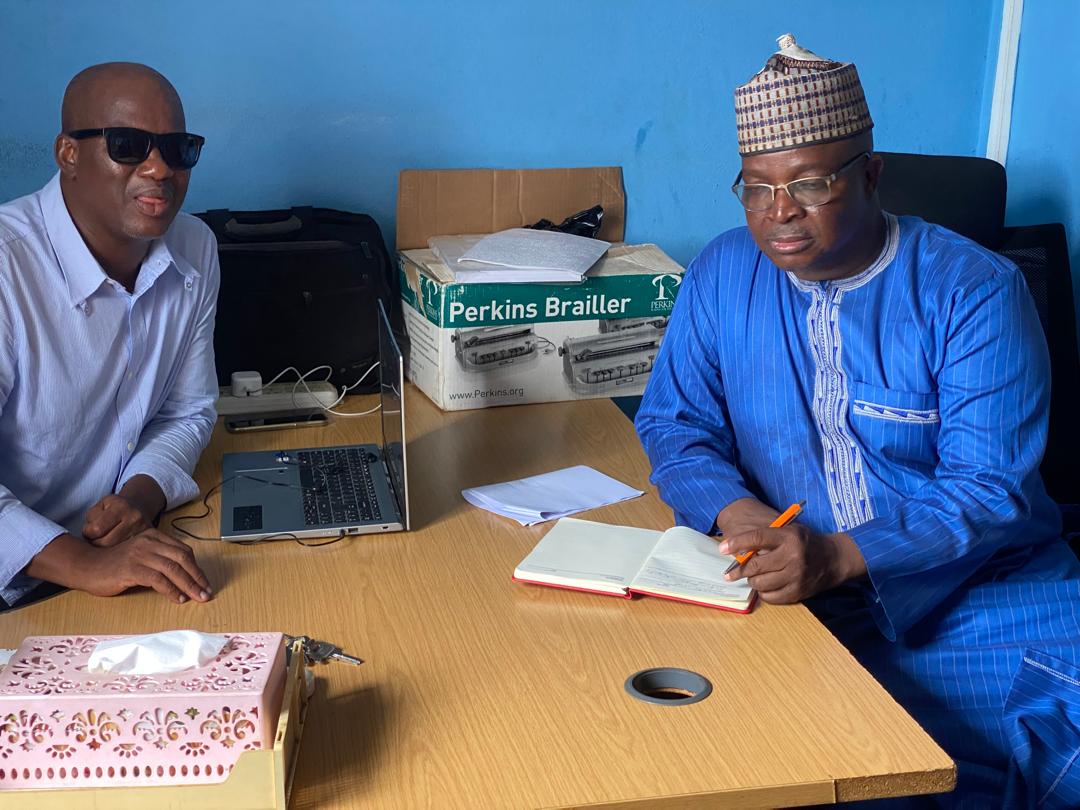
In Sierra Leone, this research Intervention is implemented through a strategic partnership between the University of Makeni (UniMak) and the Mental Health Coalition Sierra Leone (MHC-SL).
Leading Community-Based Mental Health Support
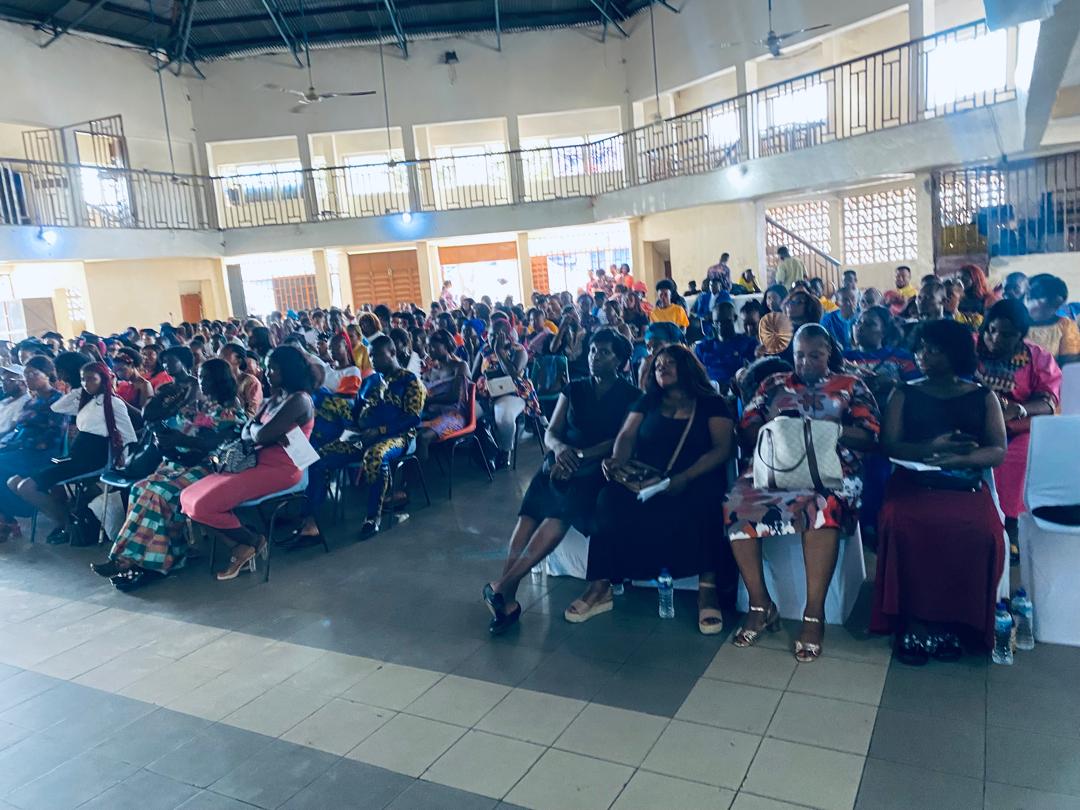
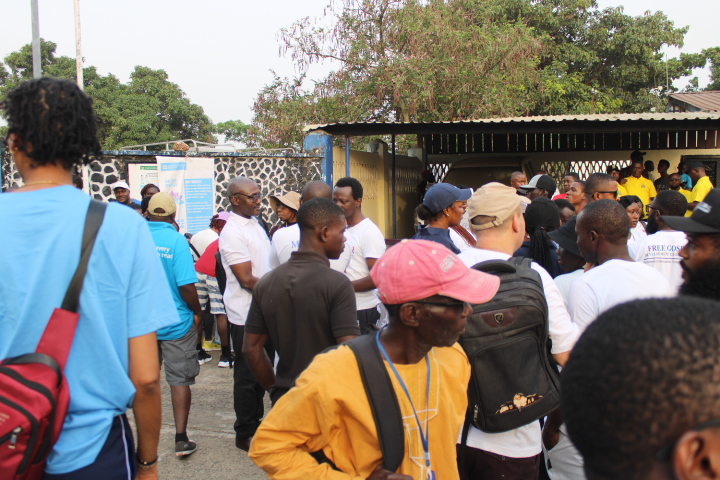
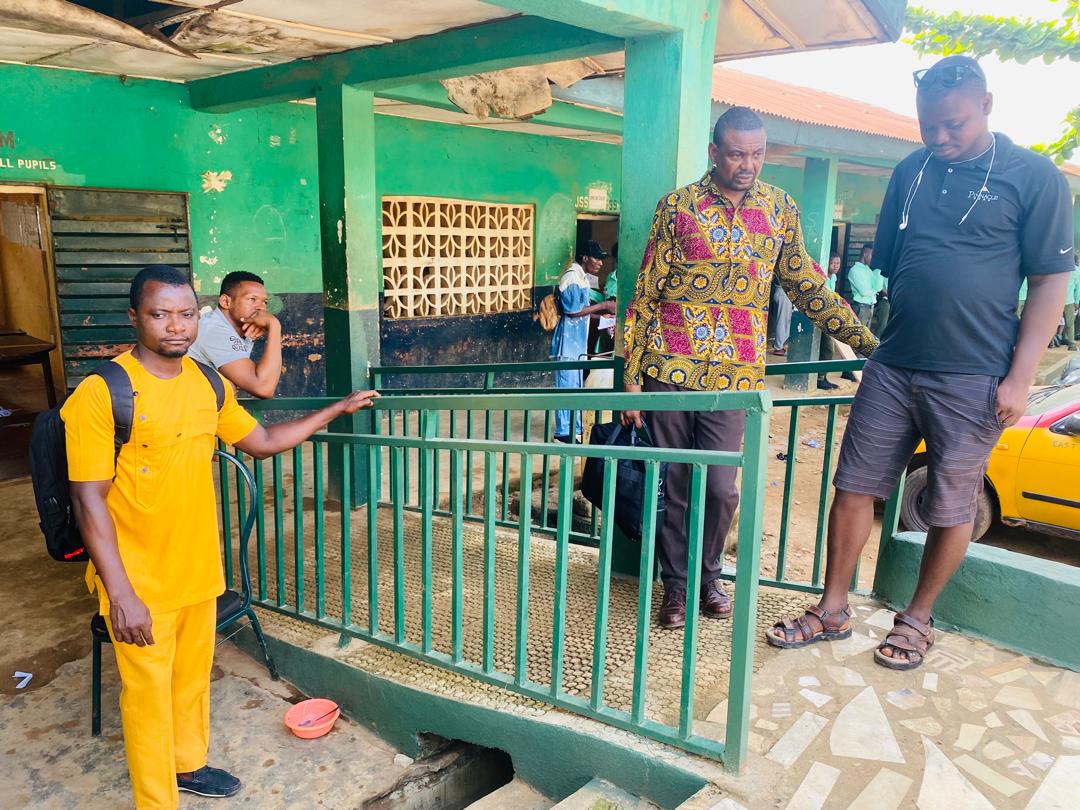
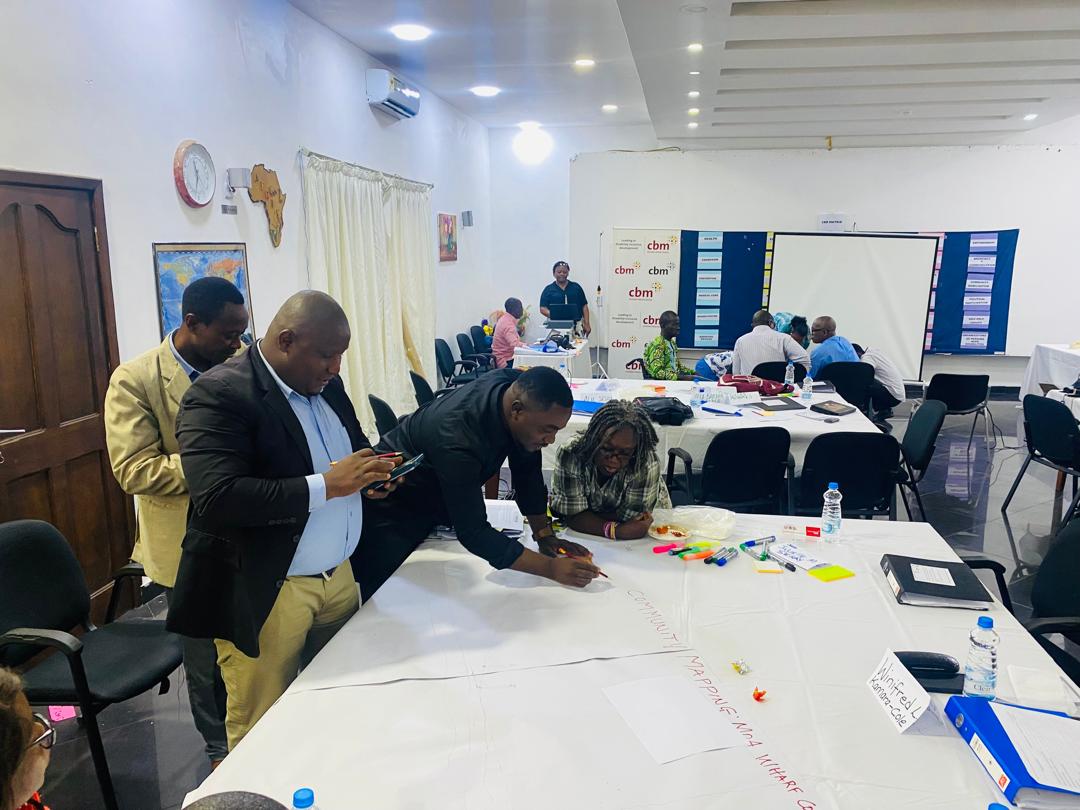
As the Implementing Partner for both the 6-month pilot phase and the full-year intervention, MHC-SL leads the delivery of community-based interventions, starting with awareness-raising and participant identification across five clusters in Western Area Rural and Urban. These Clusters comprise nearby communities where the participants and their caregivers reside.
The intervention goes beyond traditional clinical care by addressing the broader social, economic, and human rights dimensions of mental health through the Community-Based Rehabilitation (CBR) approach.
MHC-SL’s work bridges the gap between research and real-life impact by ensuring that co-produced solutions are integrated into the daily lives of participants, caregivers, and communities.
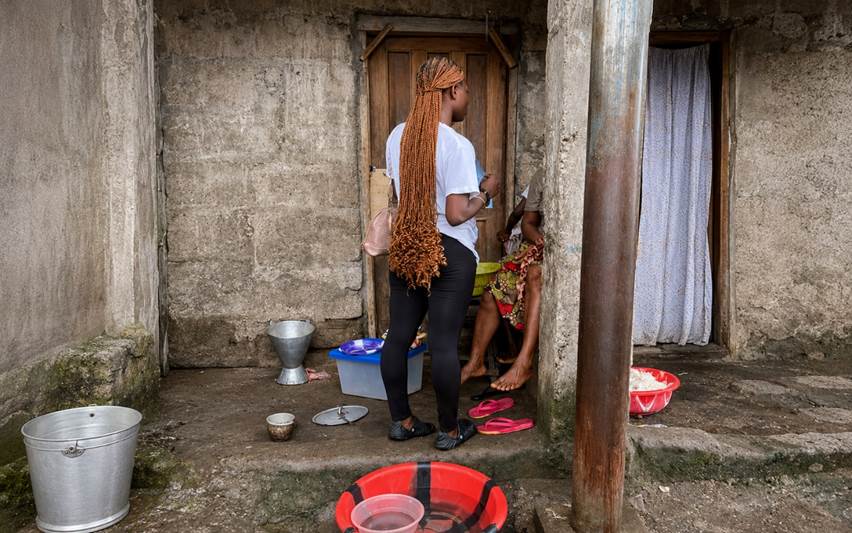
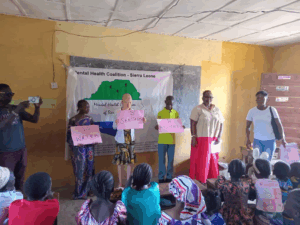
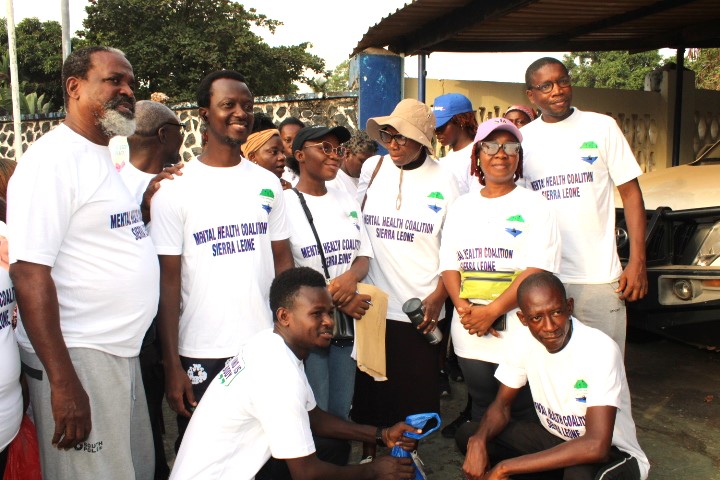
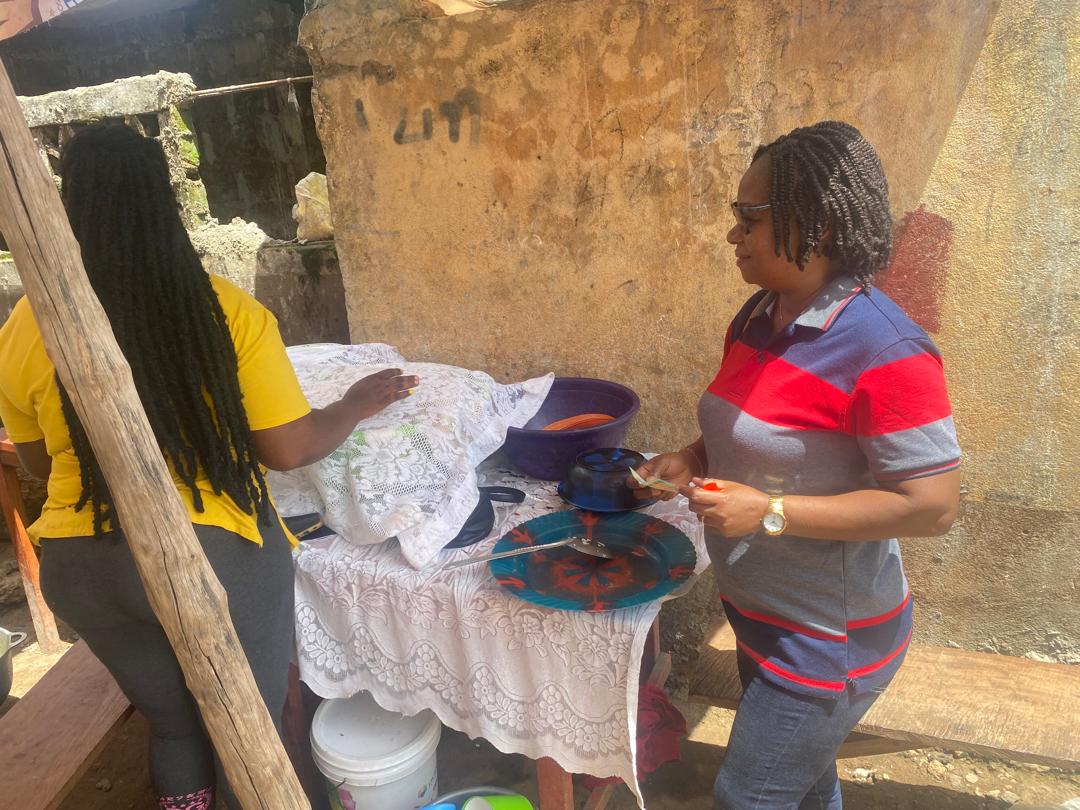
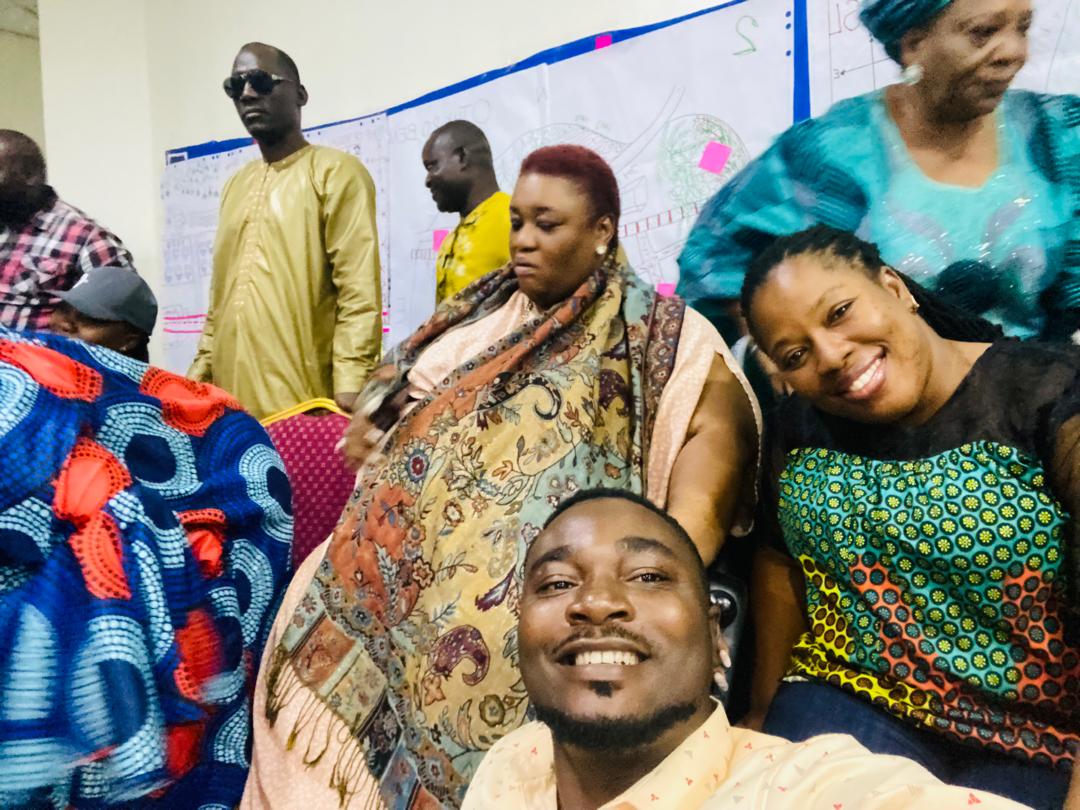
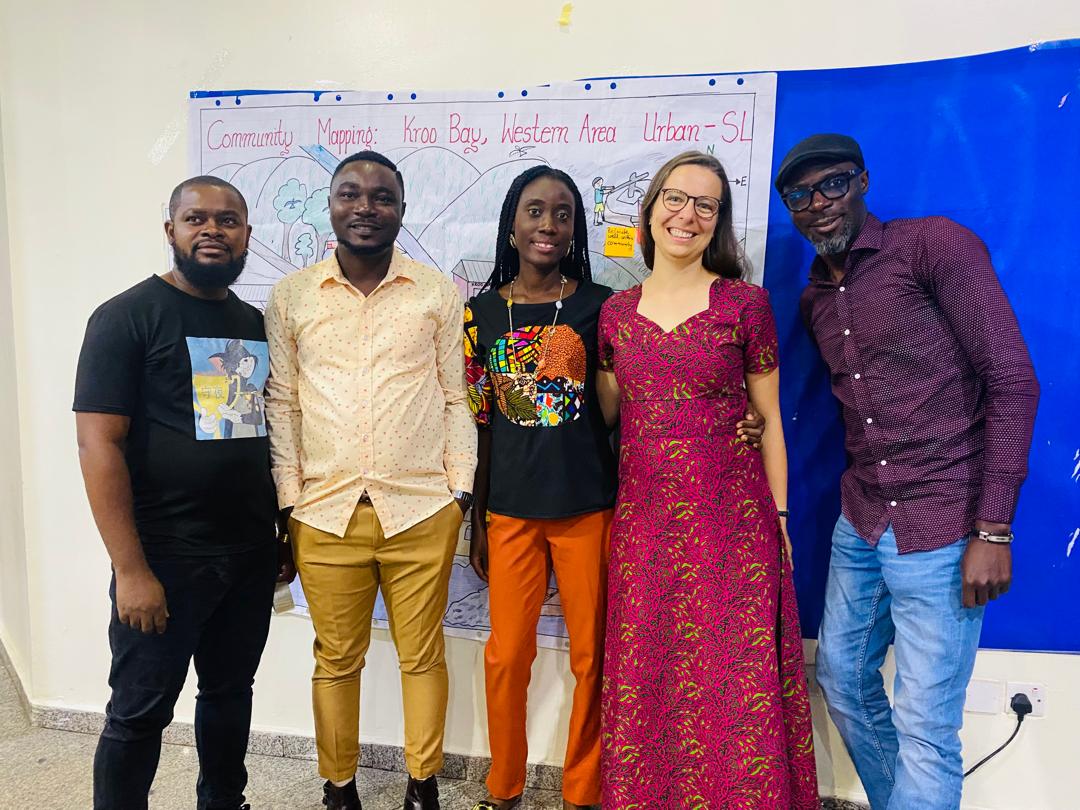
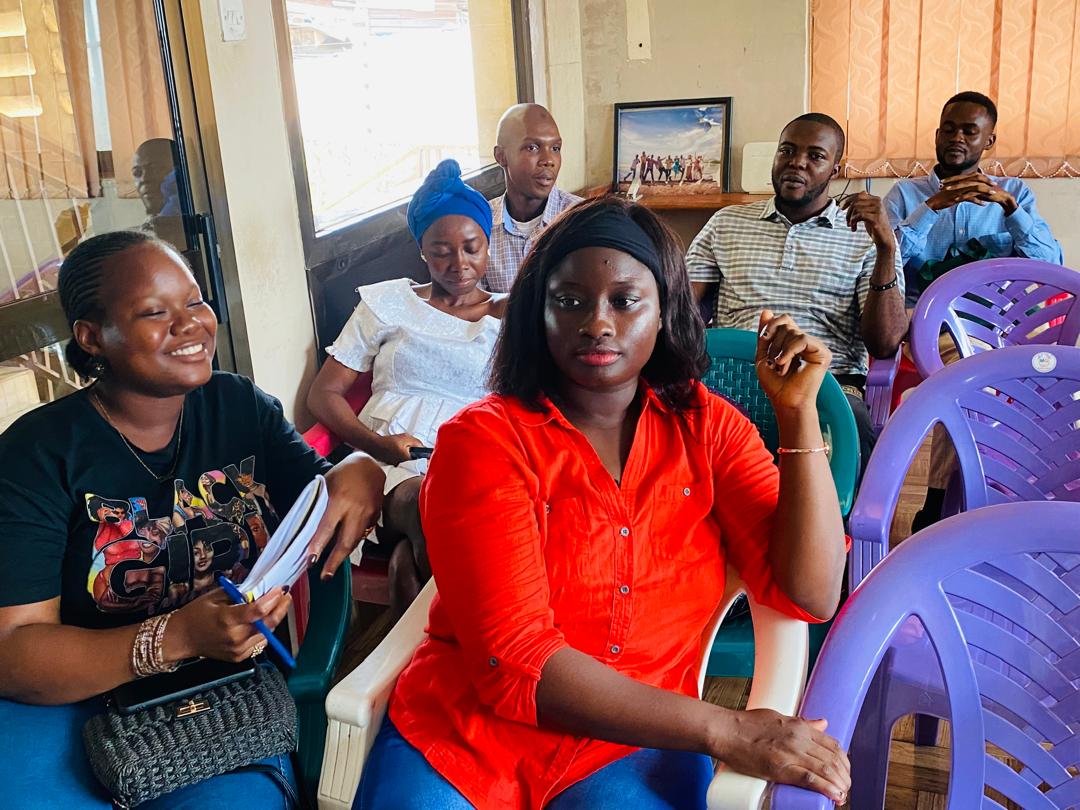
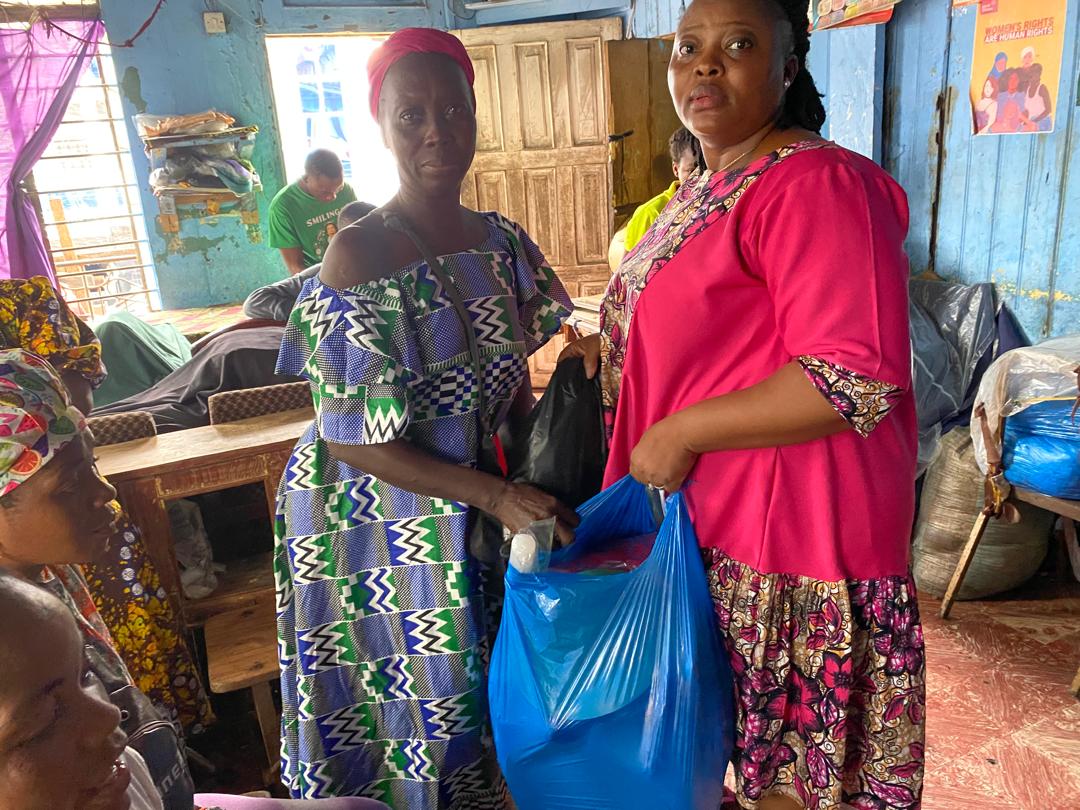
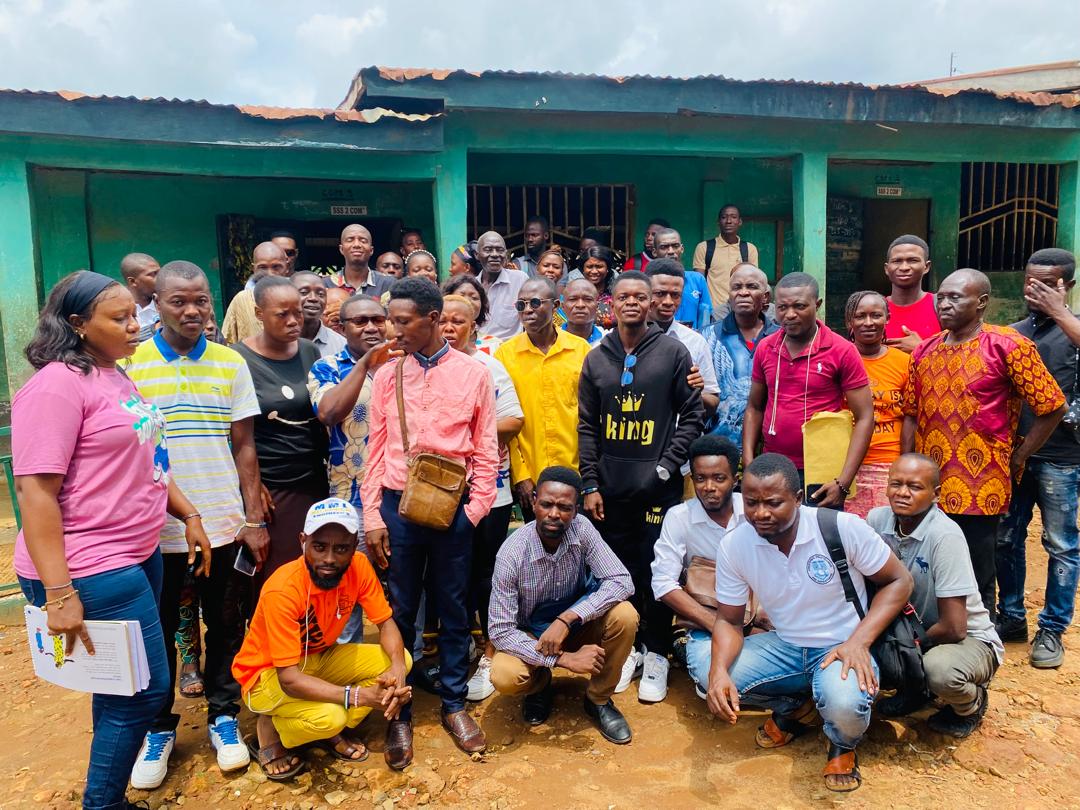
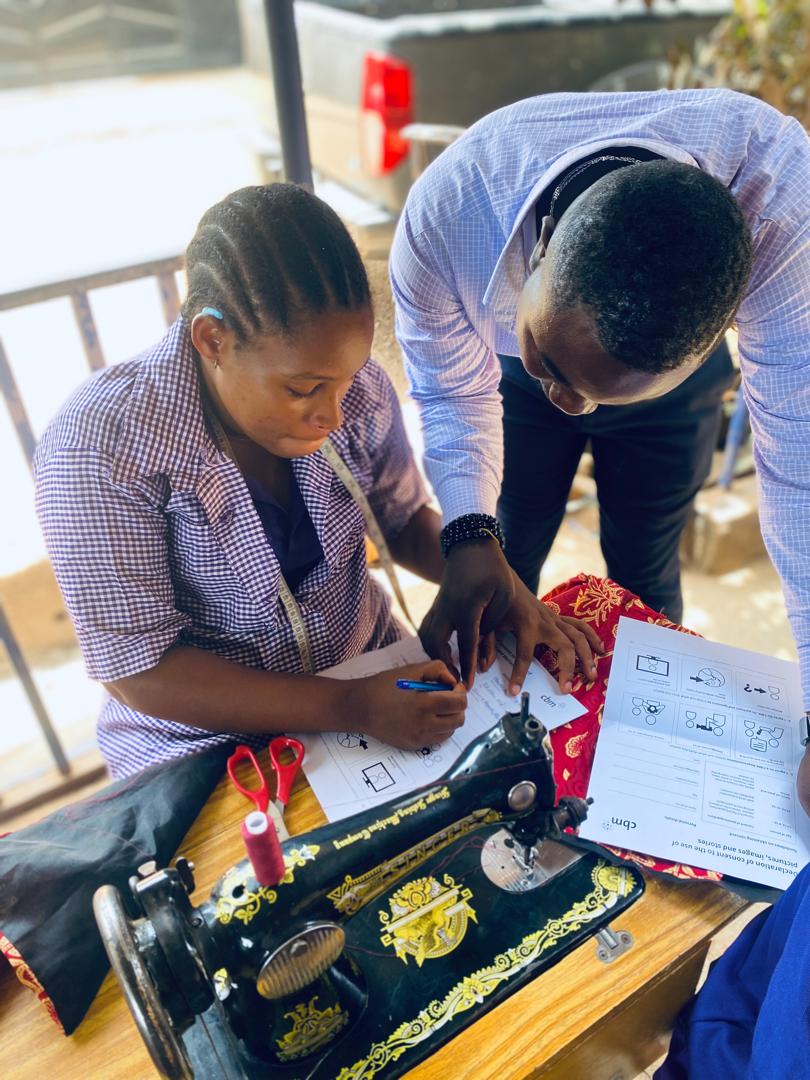
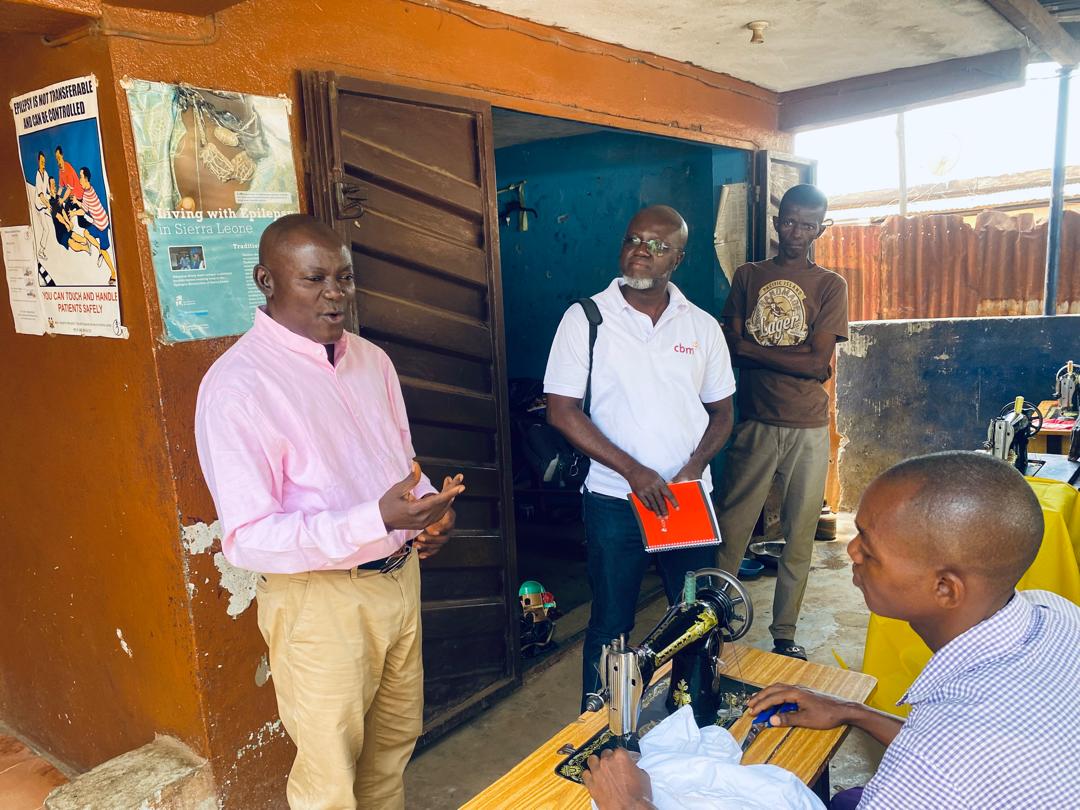
(MHC-SL Community Support Worker – Community engagement)
Core Intervention Activities – Regular Home Visits:
At the heart of the SUCCEED Intervention is a community-based support model that brings mental health care directly to the homes and daily realities of participants. Through structured and regular home visits, Mental Health Coalition–Sierra Leone (MHC-SL) strengthens continuity of care, promotes recovery, and reduces the barriers that often prevent persons living with psychosis from accessing sustained support.
These home visits are coordinated by a dedicated team of trained frontline personnel, including:
Peer Support Workers (PSWs): individuals with lived experience of mental health conditions who provide empathetic, recovery-oriented support, encouragement, and practical guidance grounded in shared understanding and hope. Their involvement helps foster trust, reduce stigma, and demonstrate that recovery is possible.
Community Support Workers (CSWs): trained community-based workers who support care coordination, provide psychoeducation, promote medication adherence, engage families, plan for recovery, make referrals, and link to essential community services.
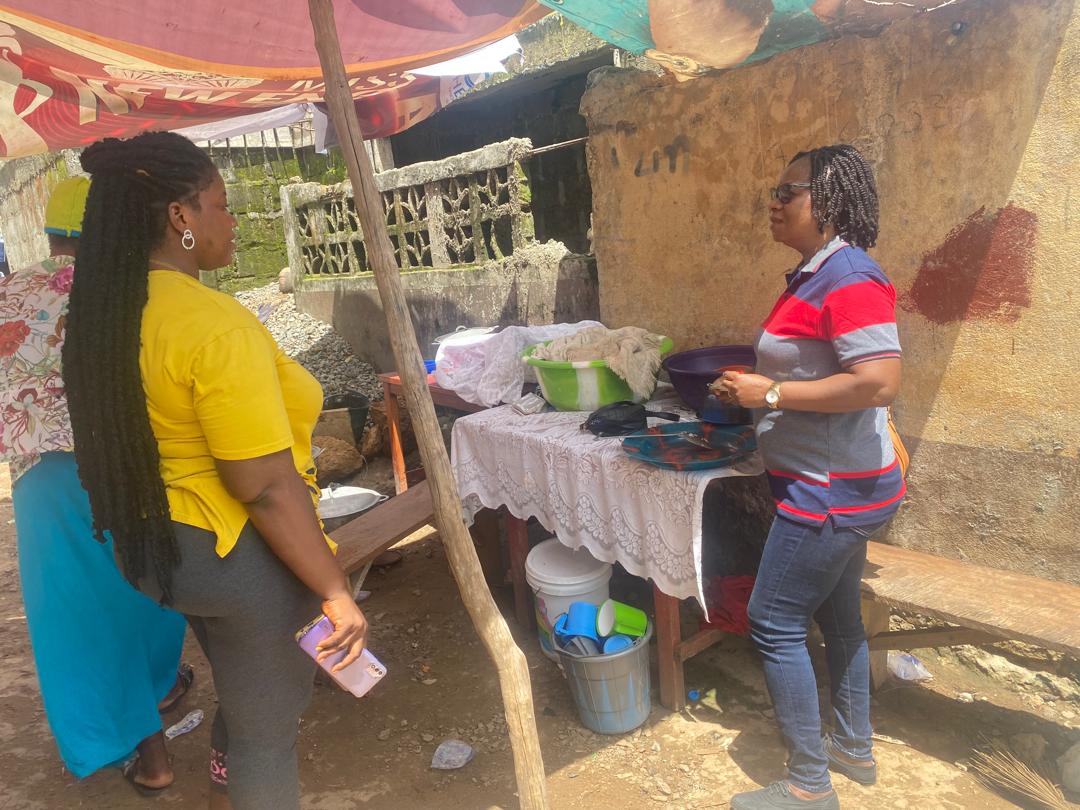
The home visits approach promotes person-centered recovery within familiar environments. Meeting participants where they are reinforces dignity, inclusion, and sustained engagement in care while ensuring that no participant is left to navigate recovery alone.
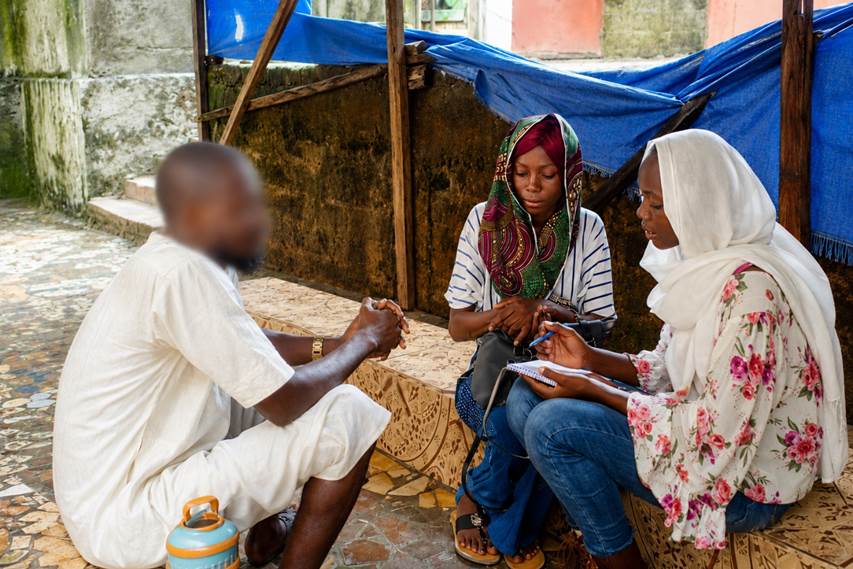
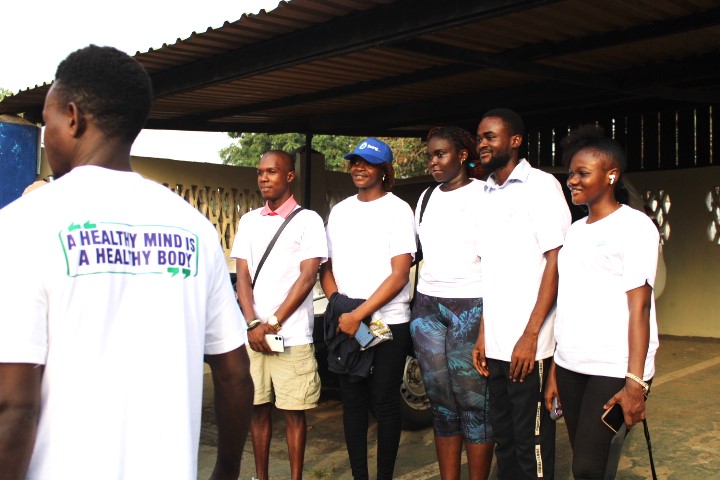
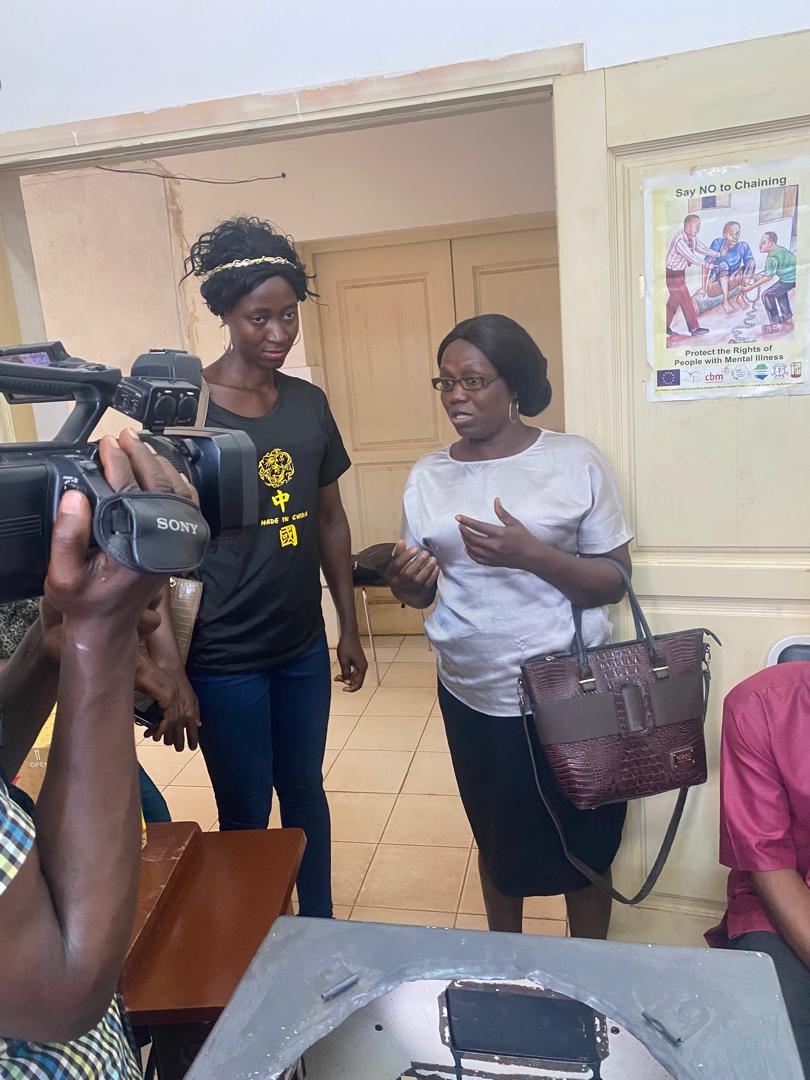
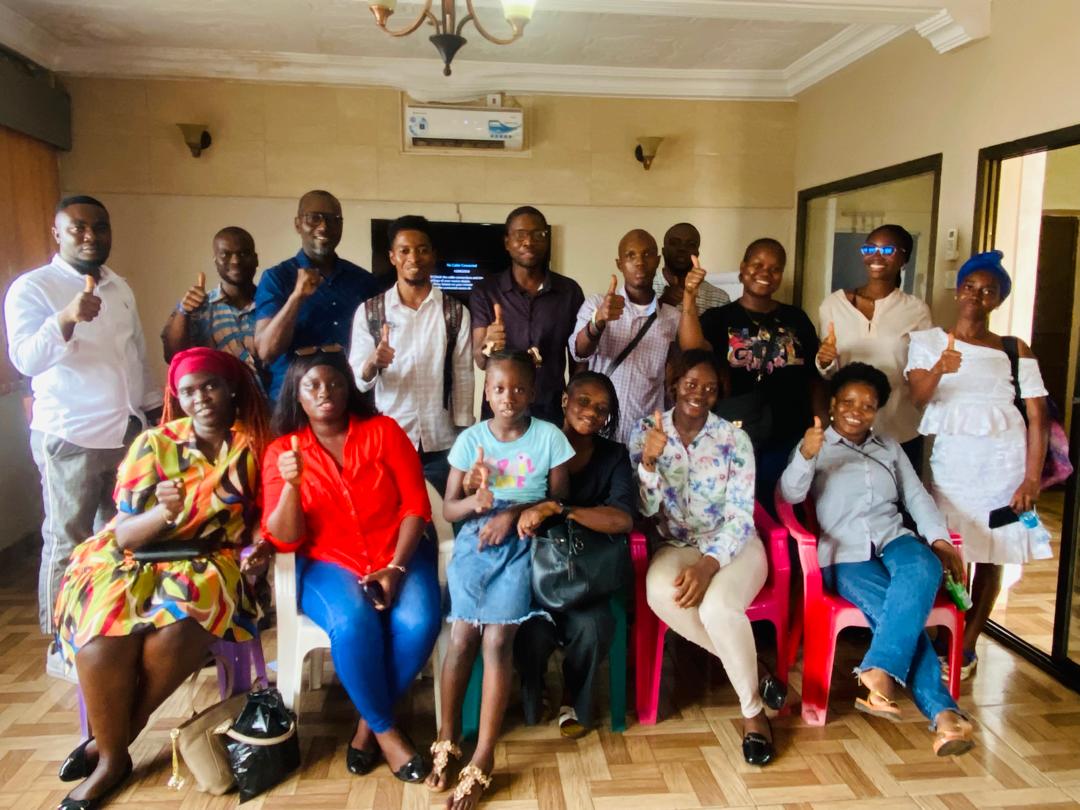
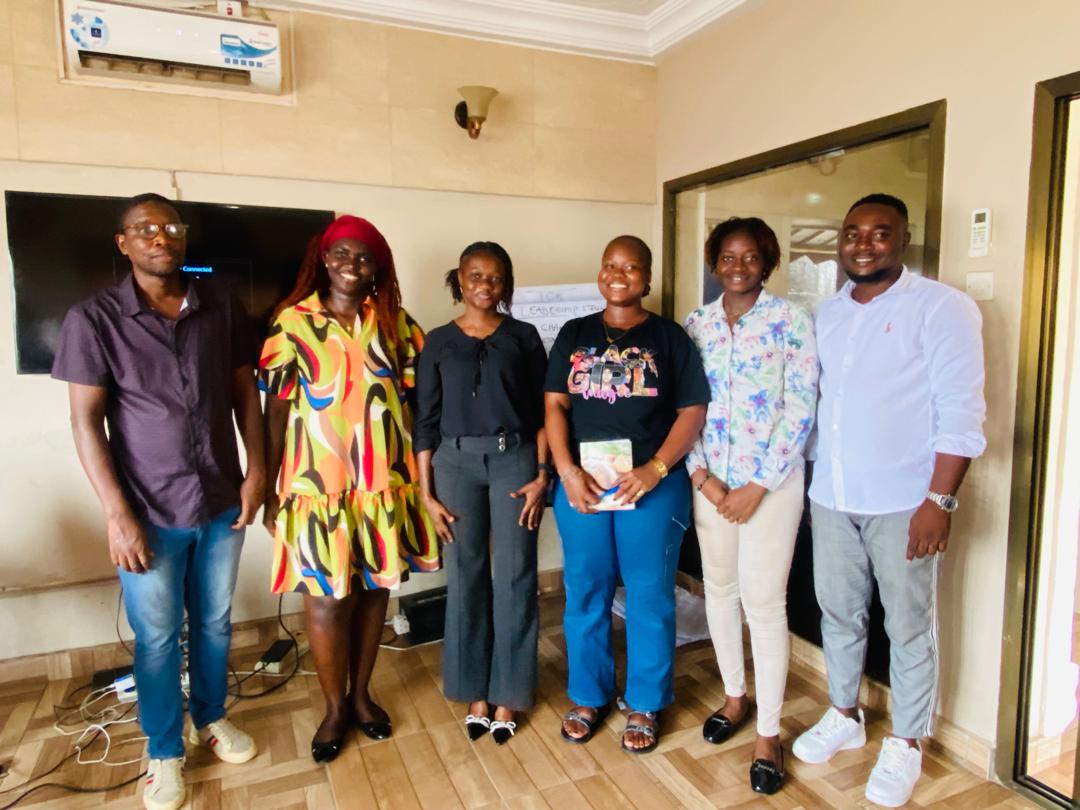
(PSW & CSW at work within their Cluster)
The SUCCEED Intervention represents a bold shift in the mental health response in Sierra Leone -a move that goes beyond mere treatment to confronting the human rights barriers that often shape the lived experiences of persons with psychosis.
Monthly Group and Livelihood Sessions
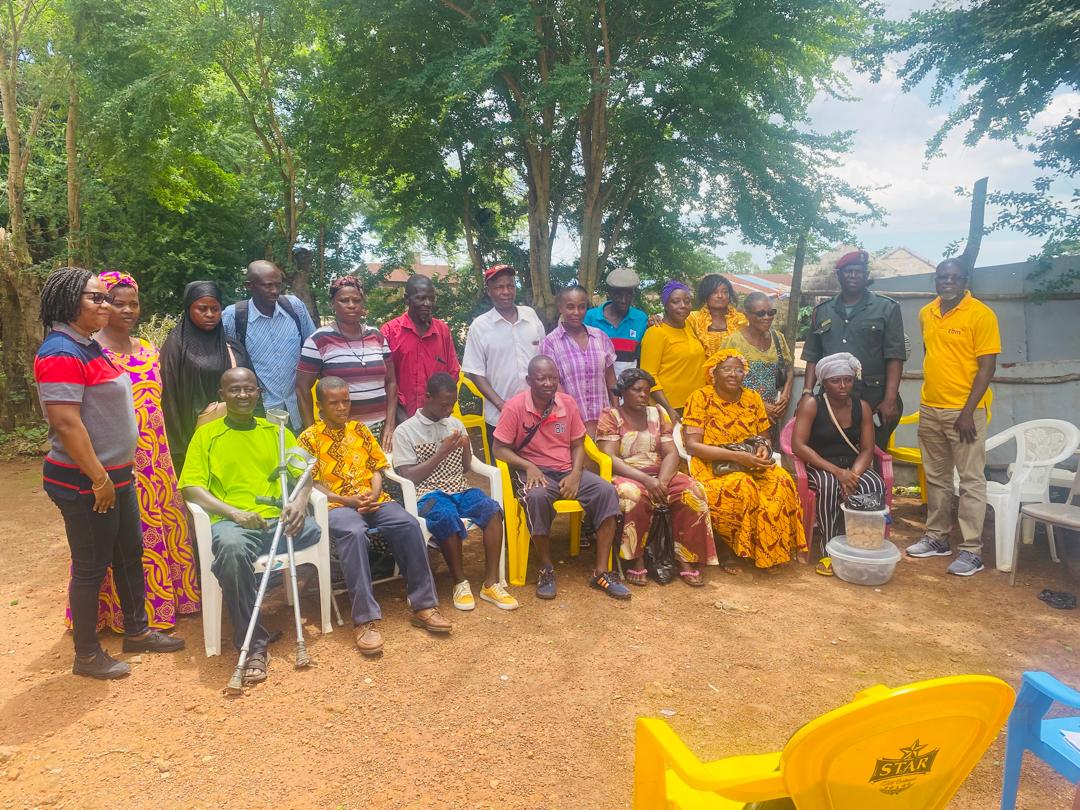
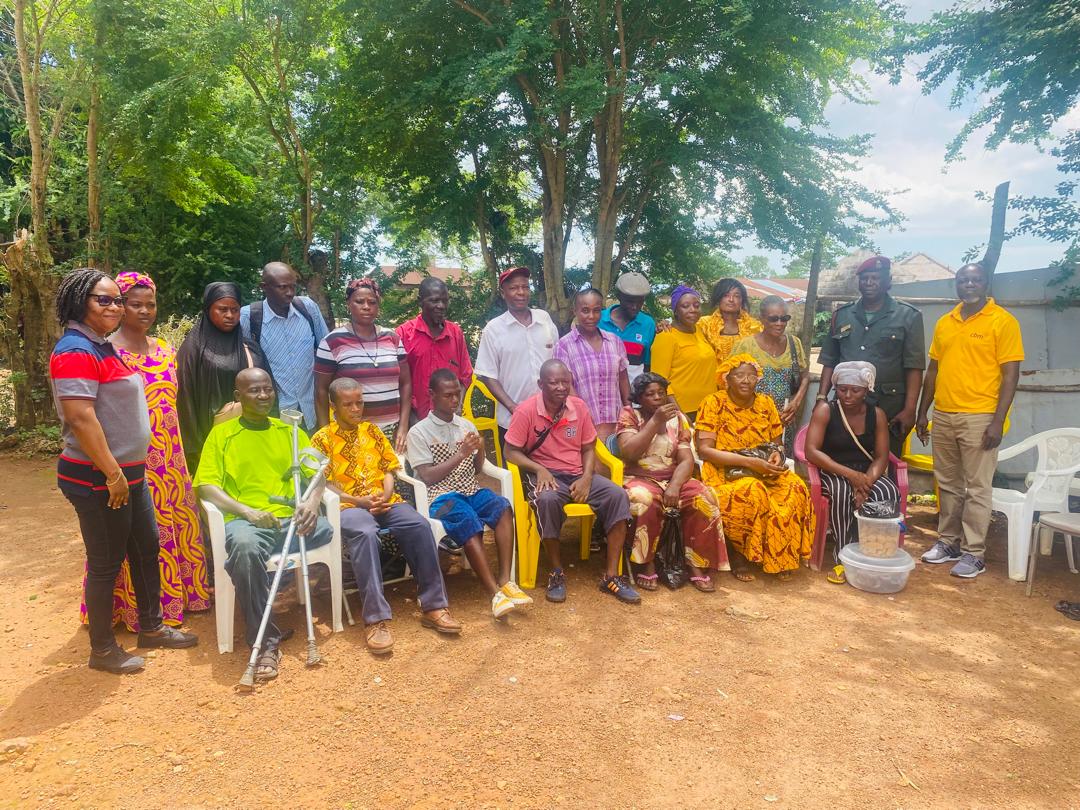
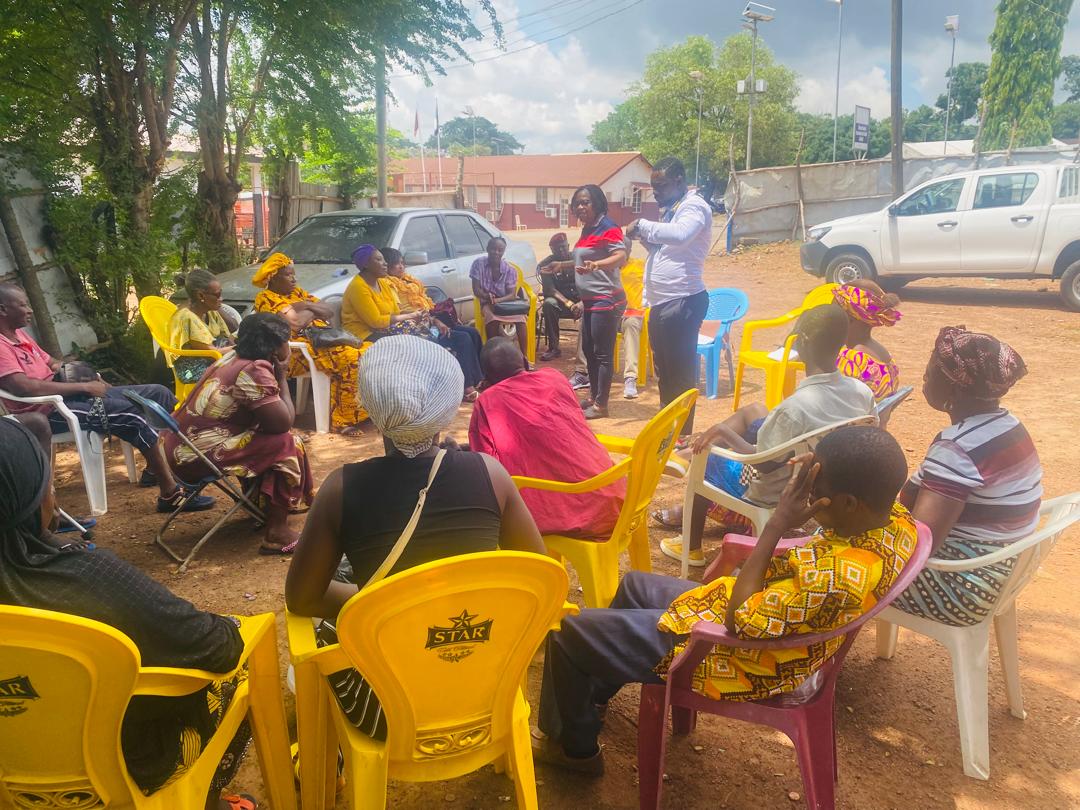
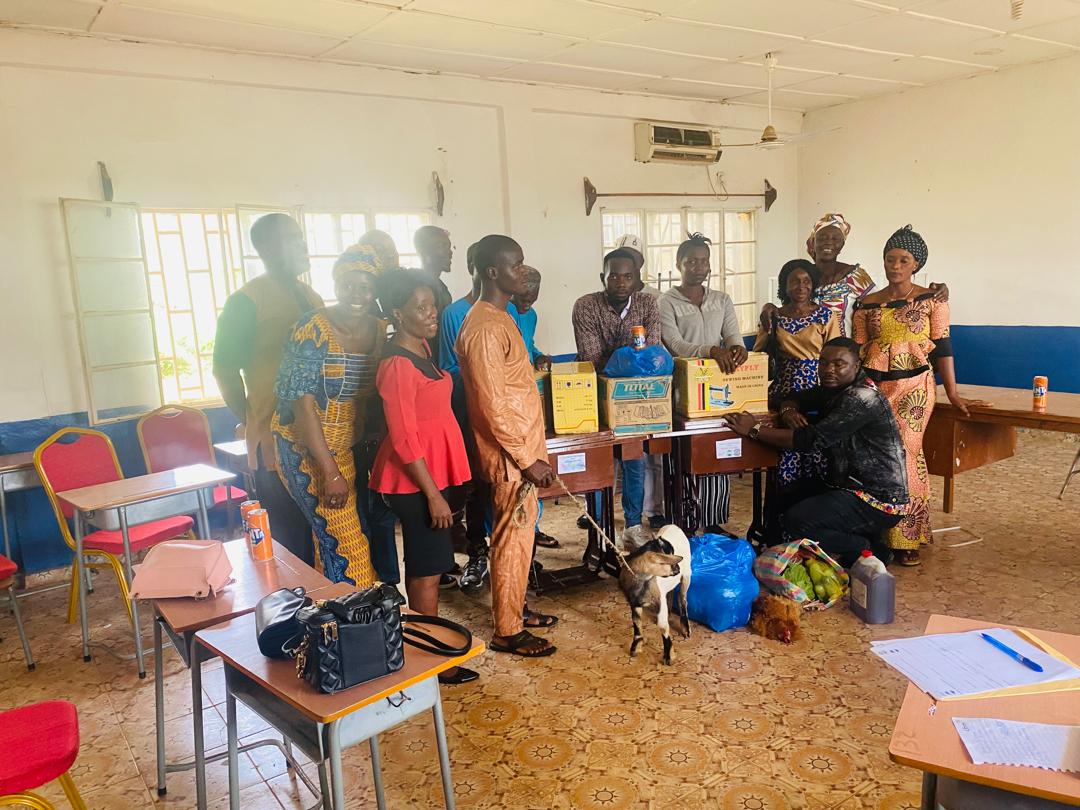
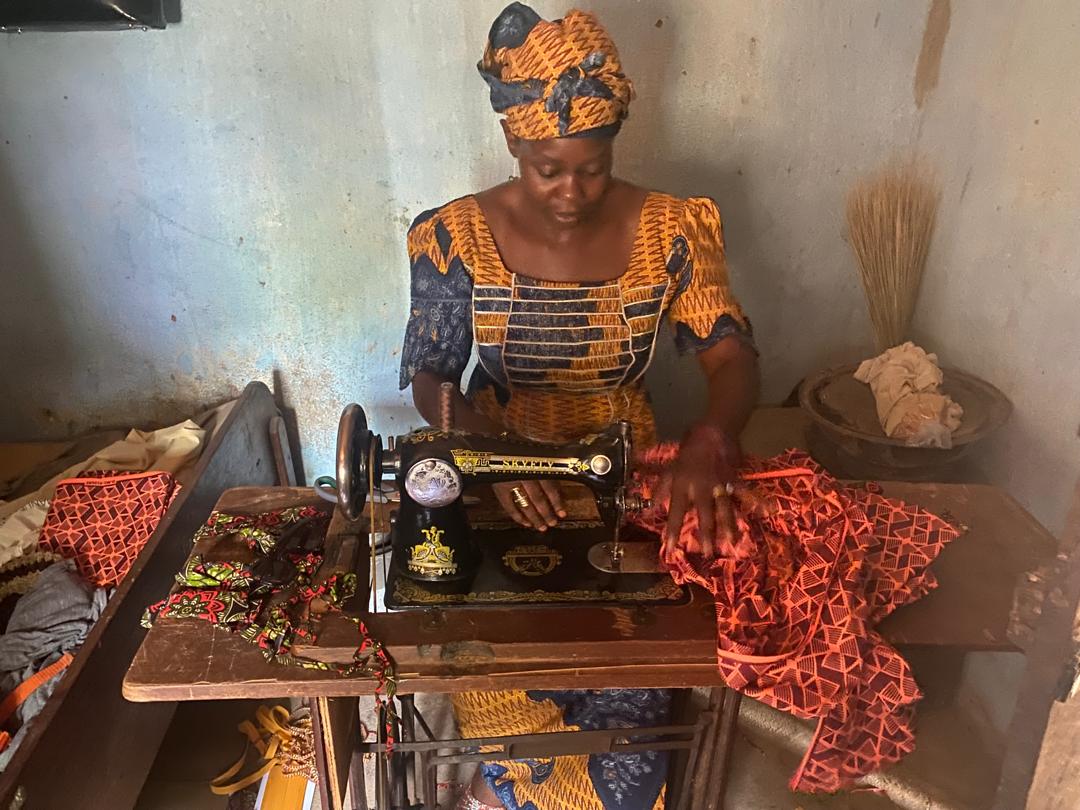
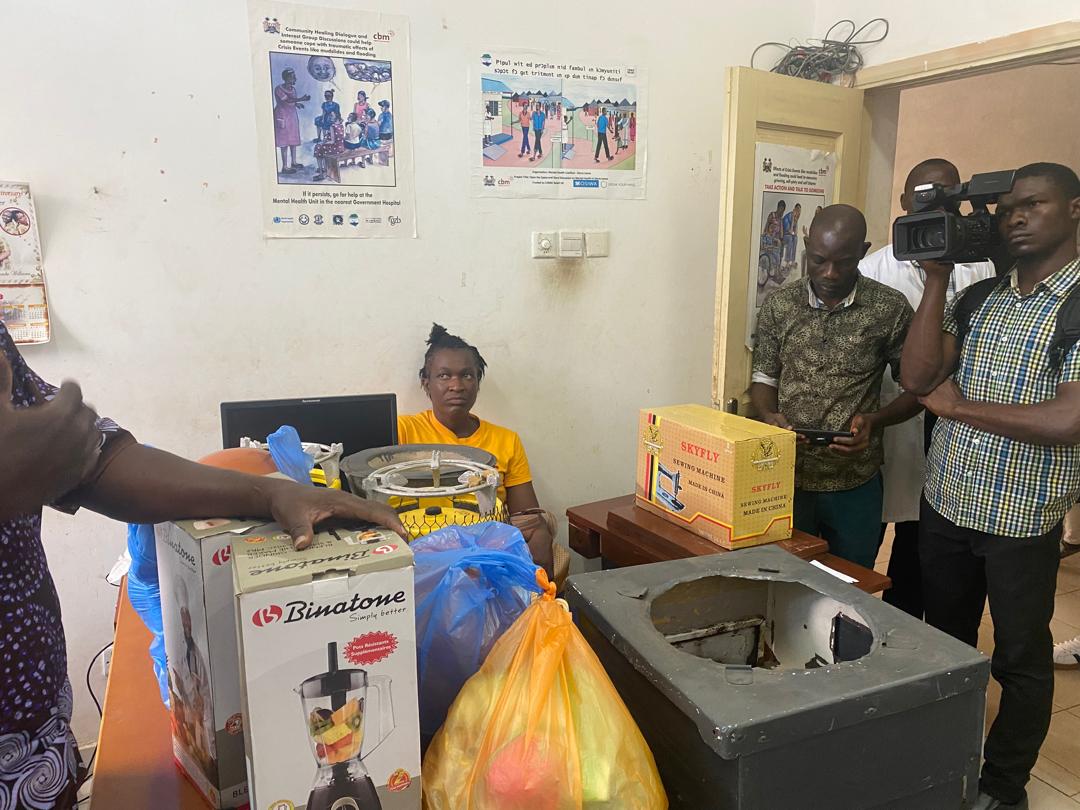
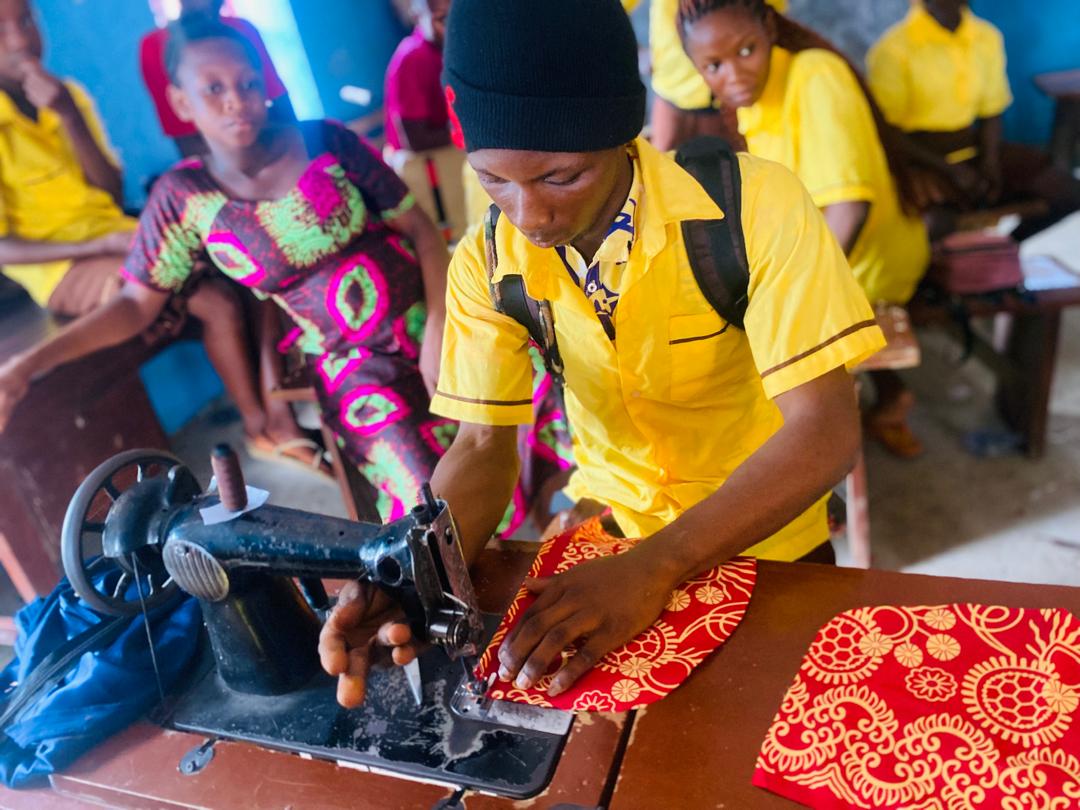
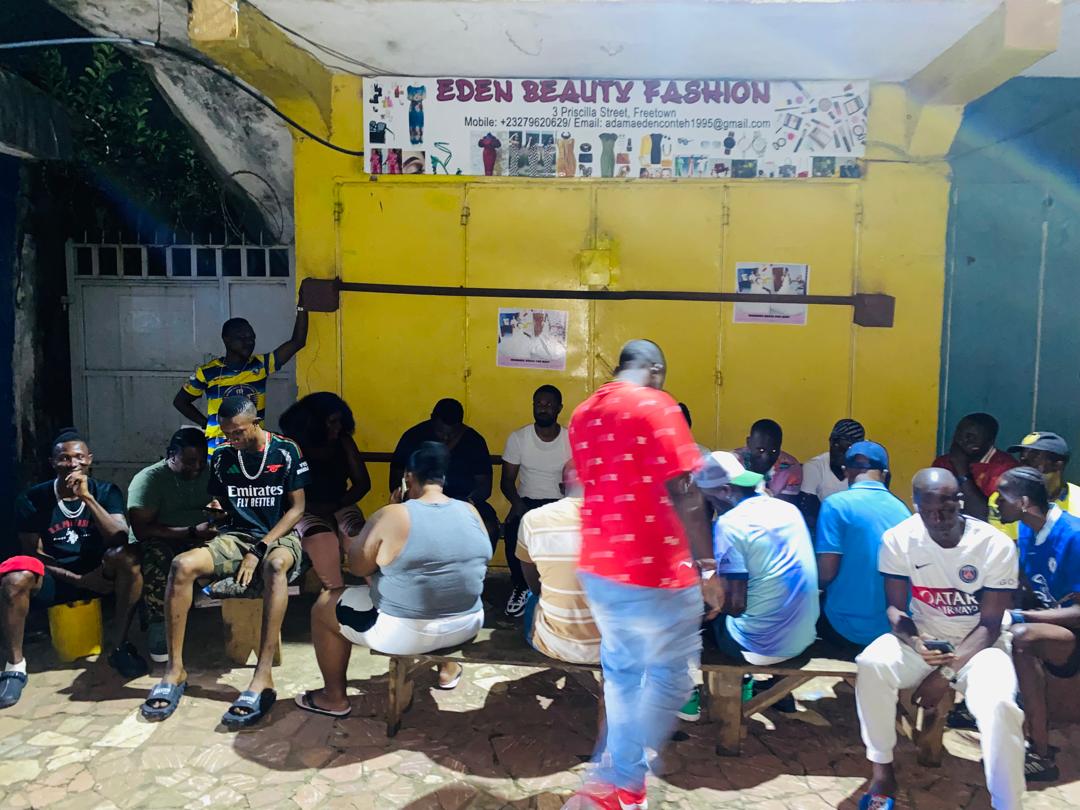
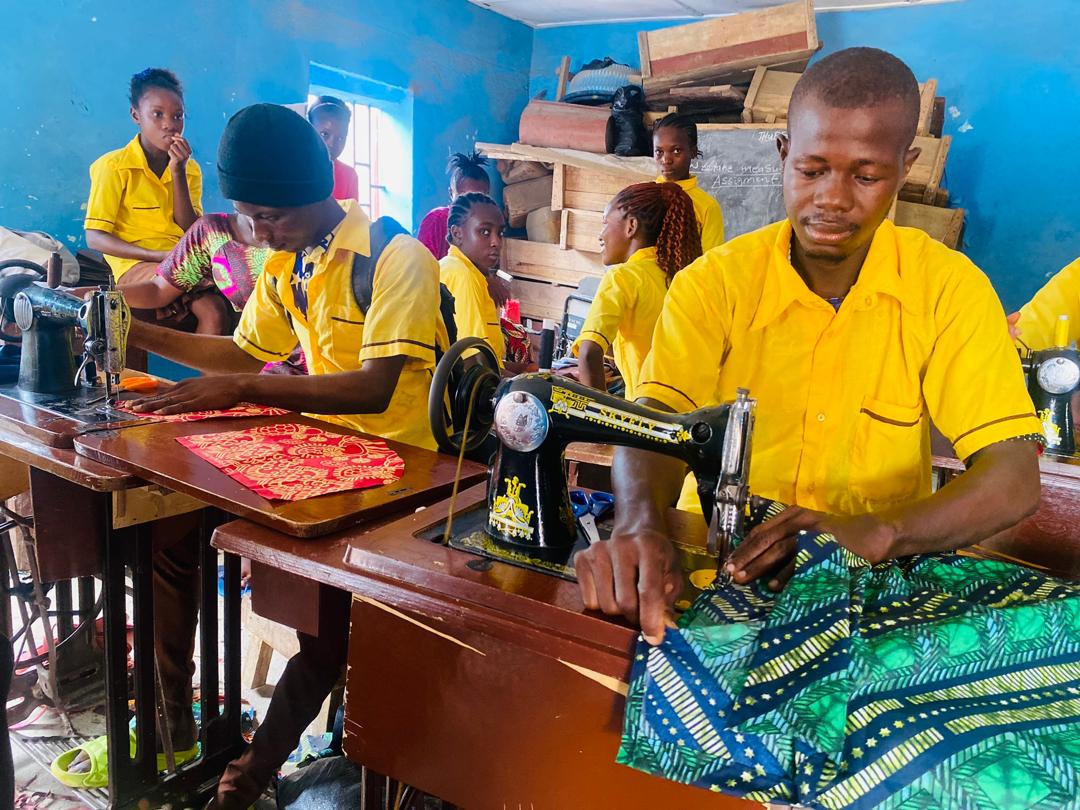
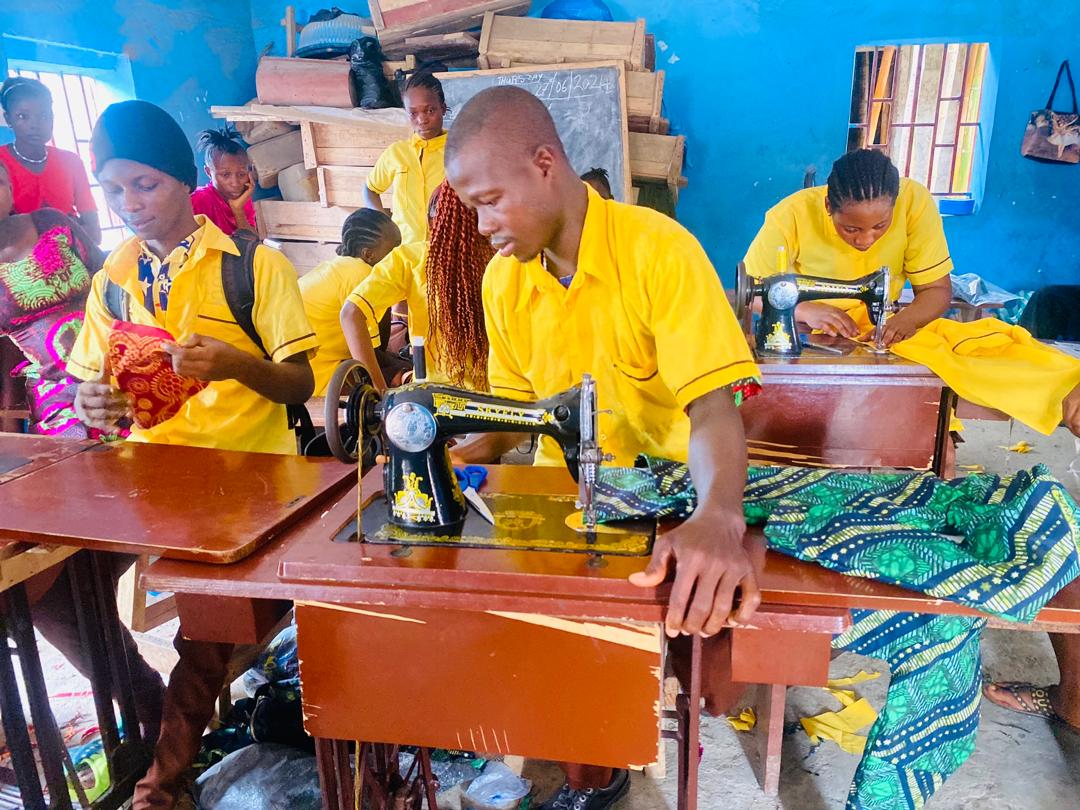
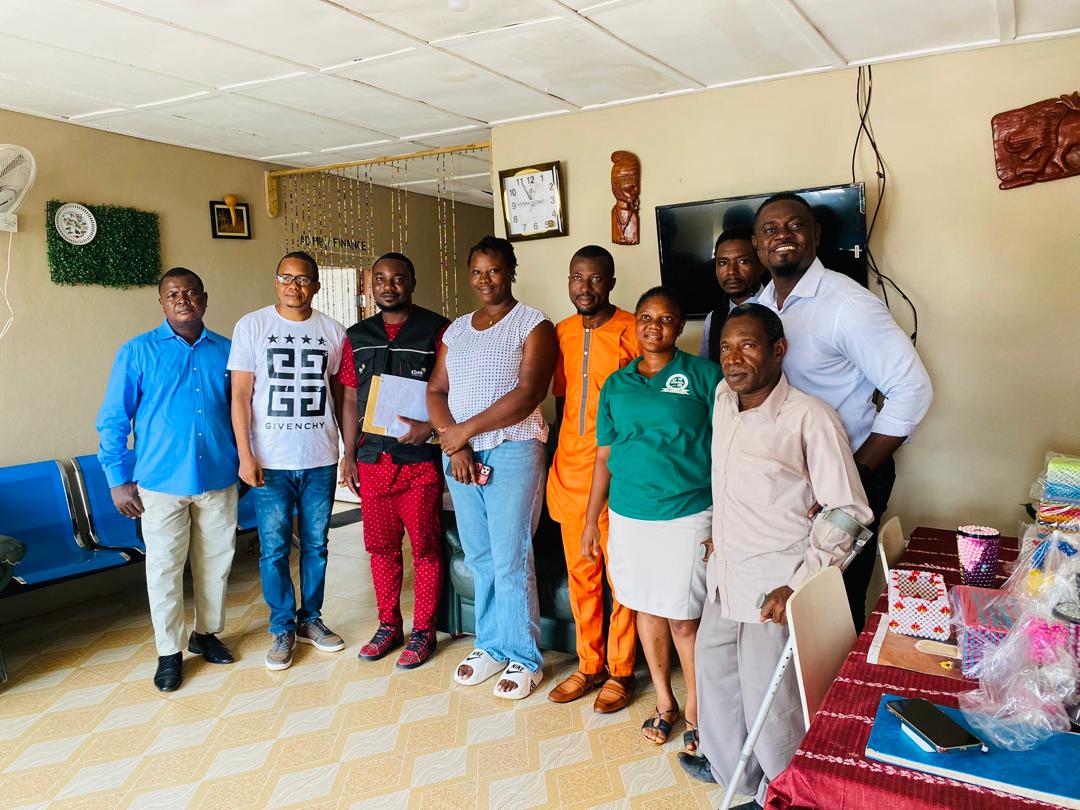
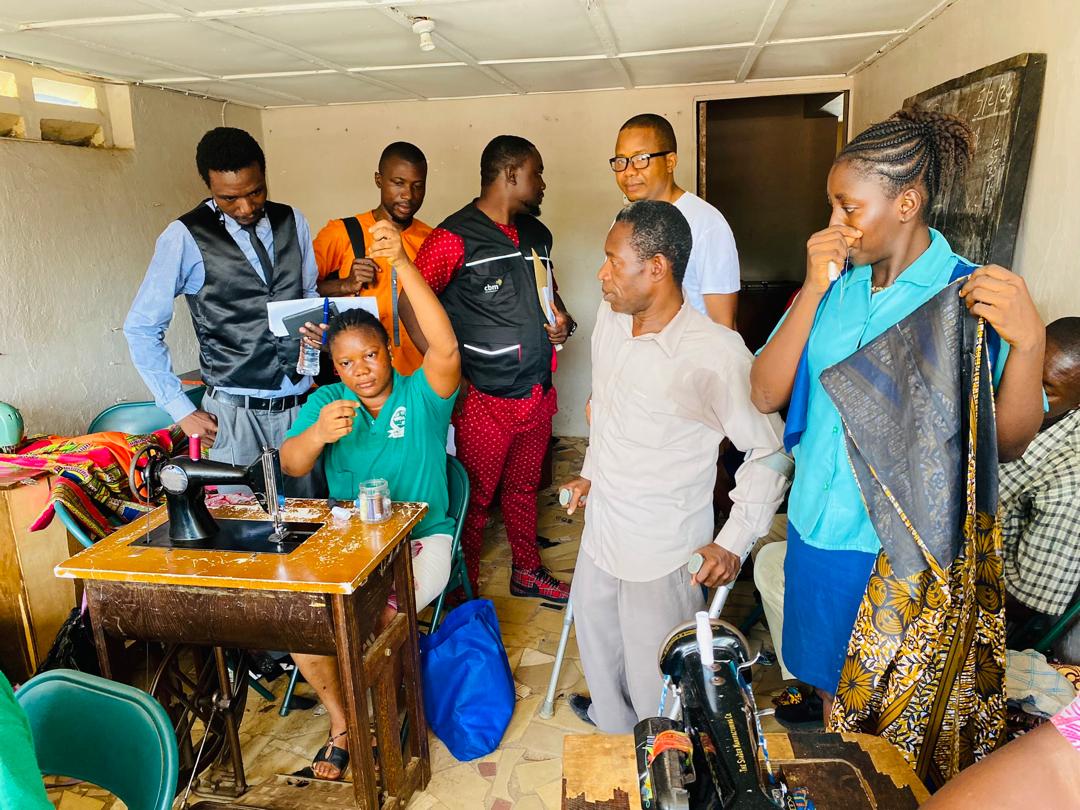
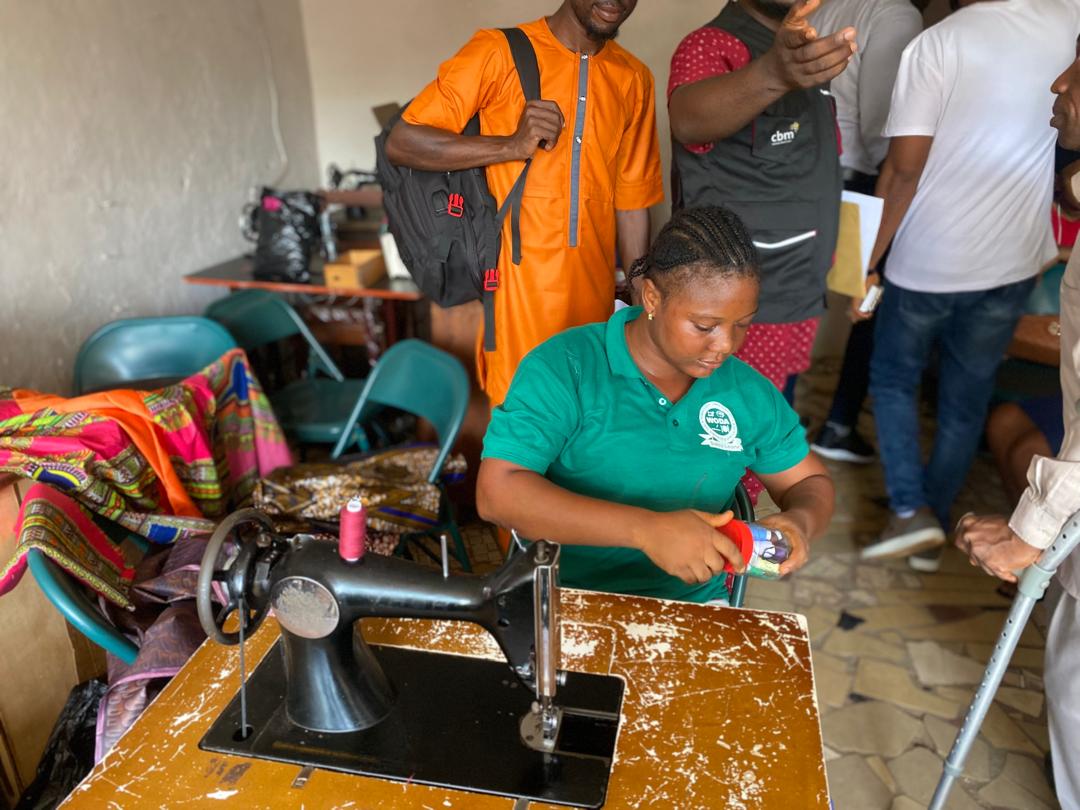
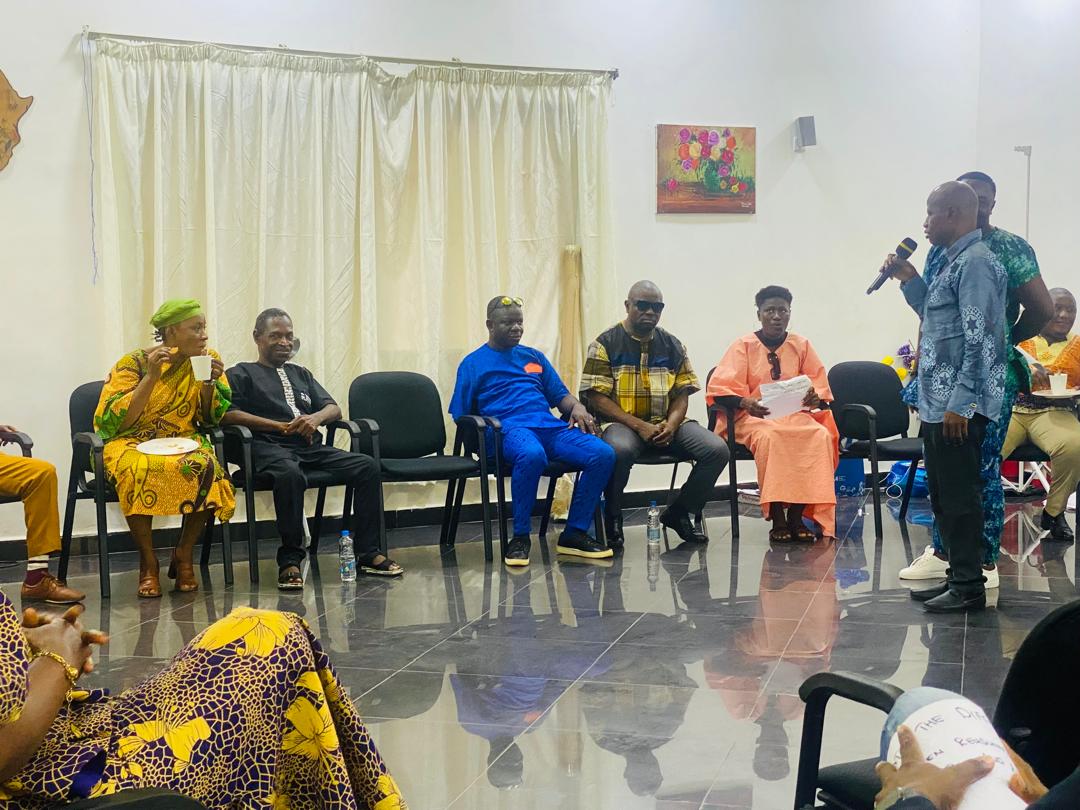
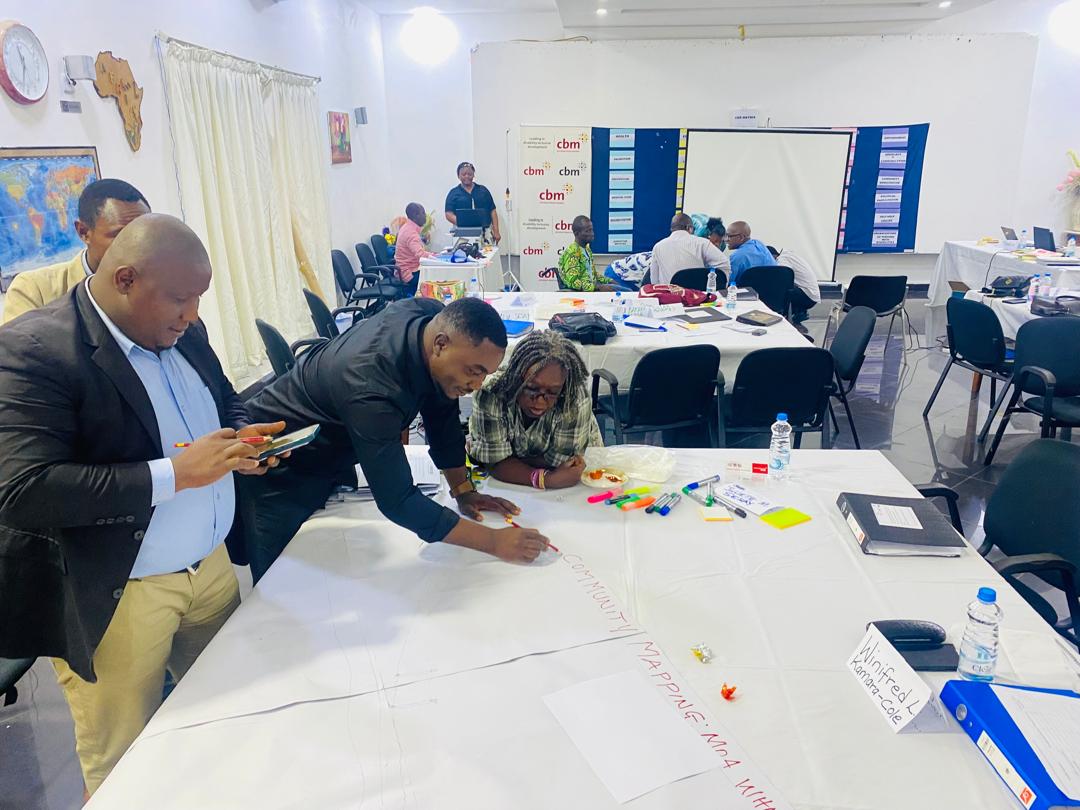
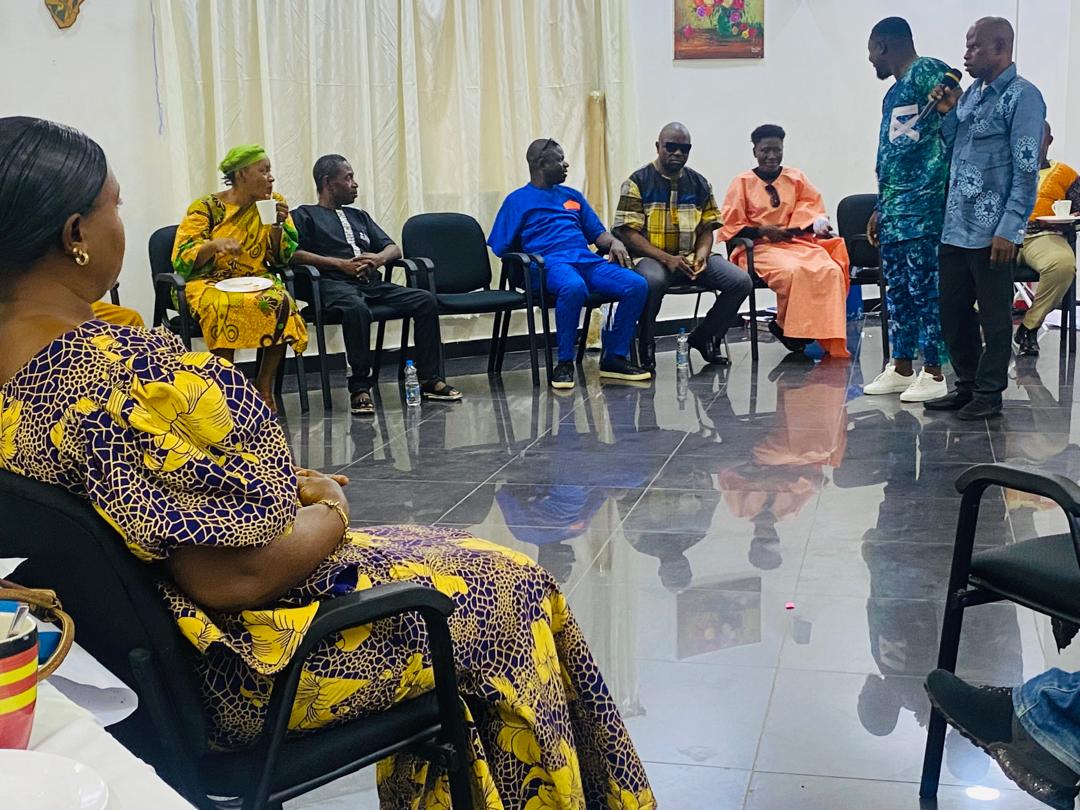
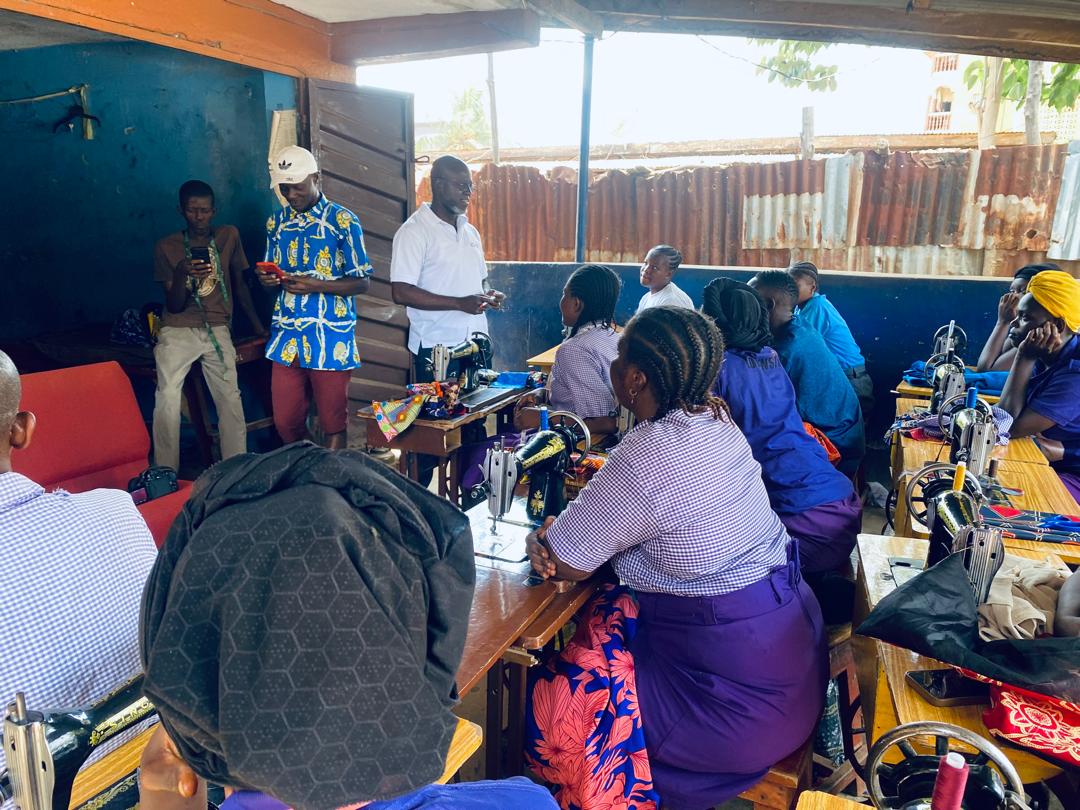
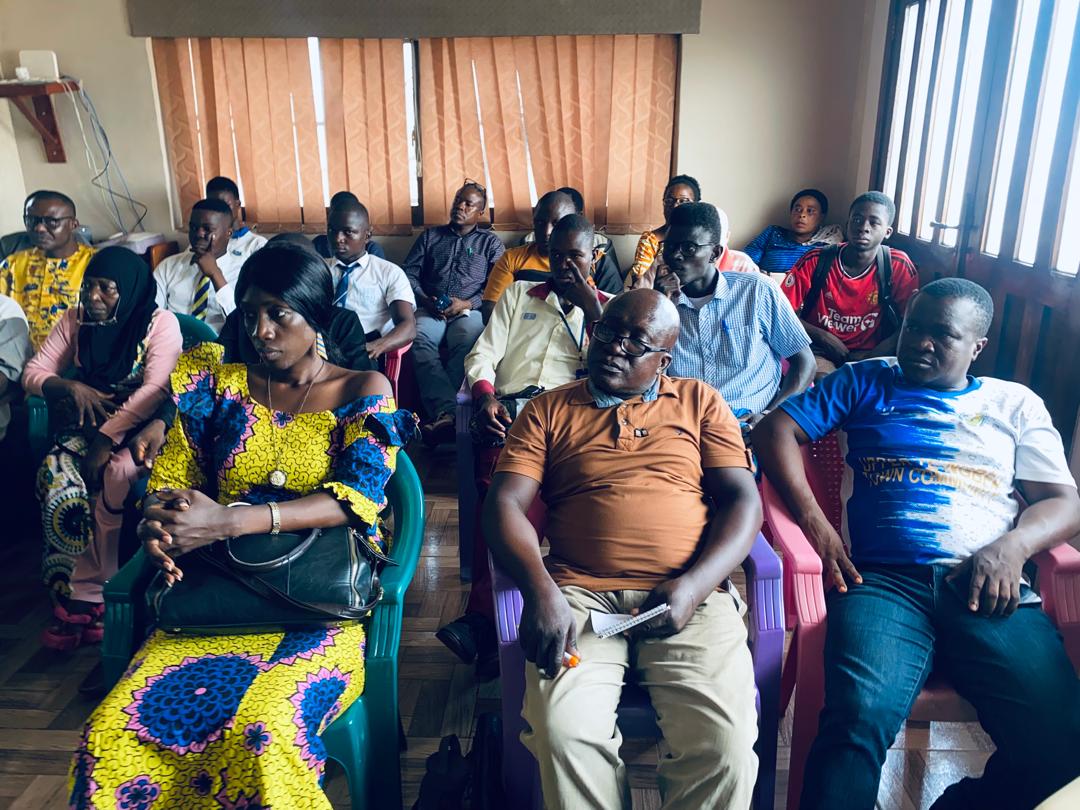
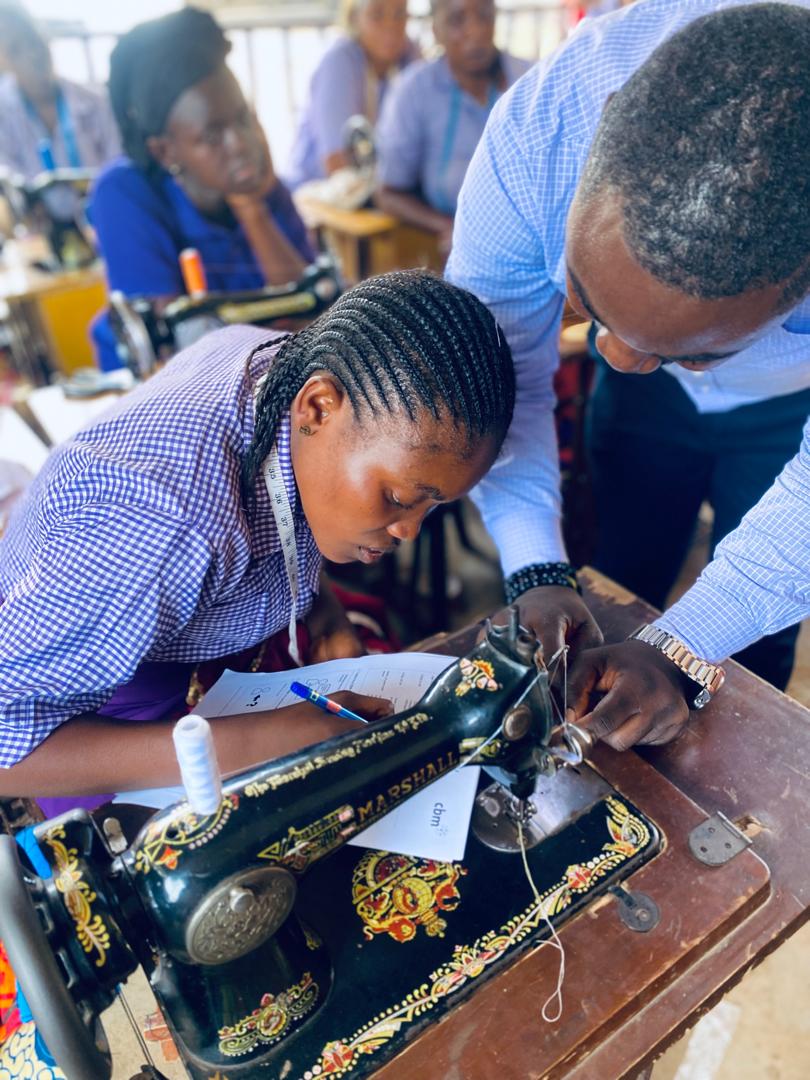
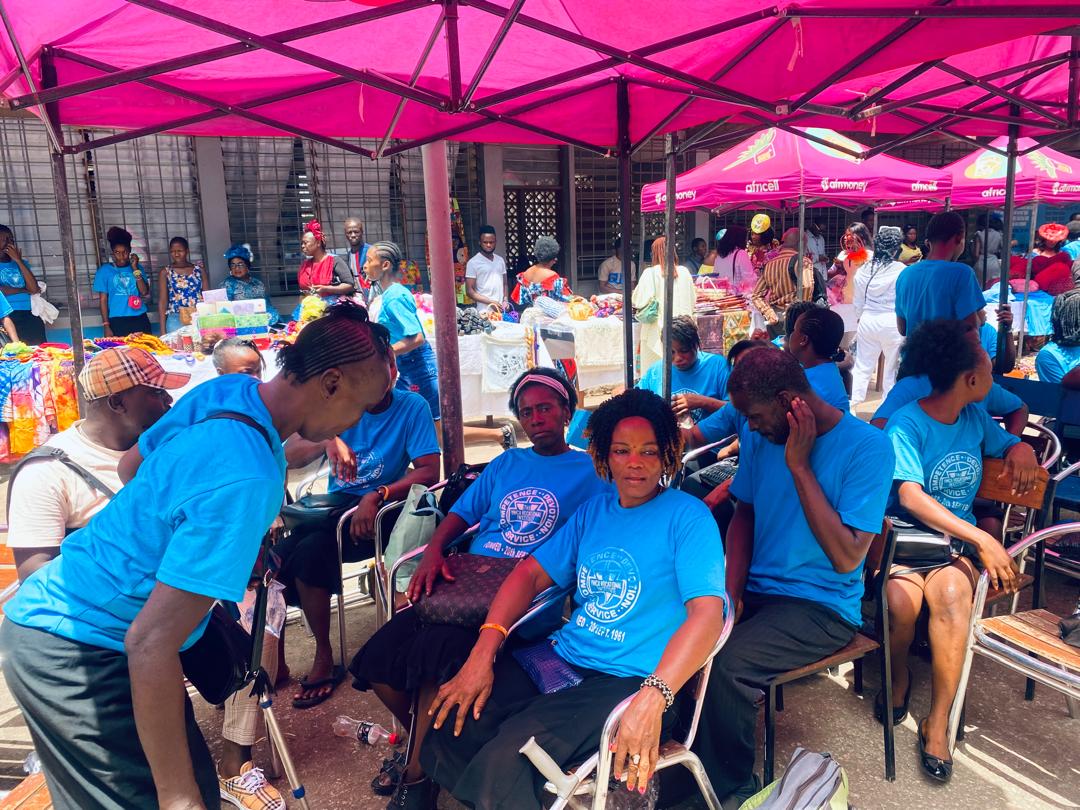
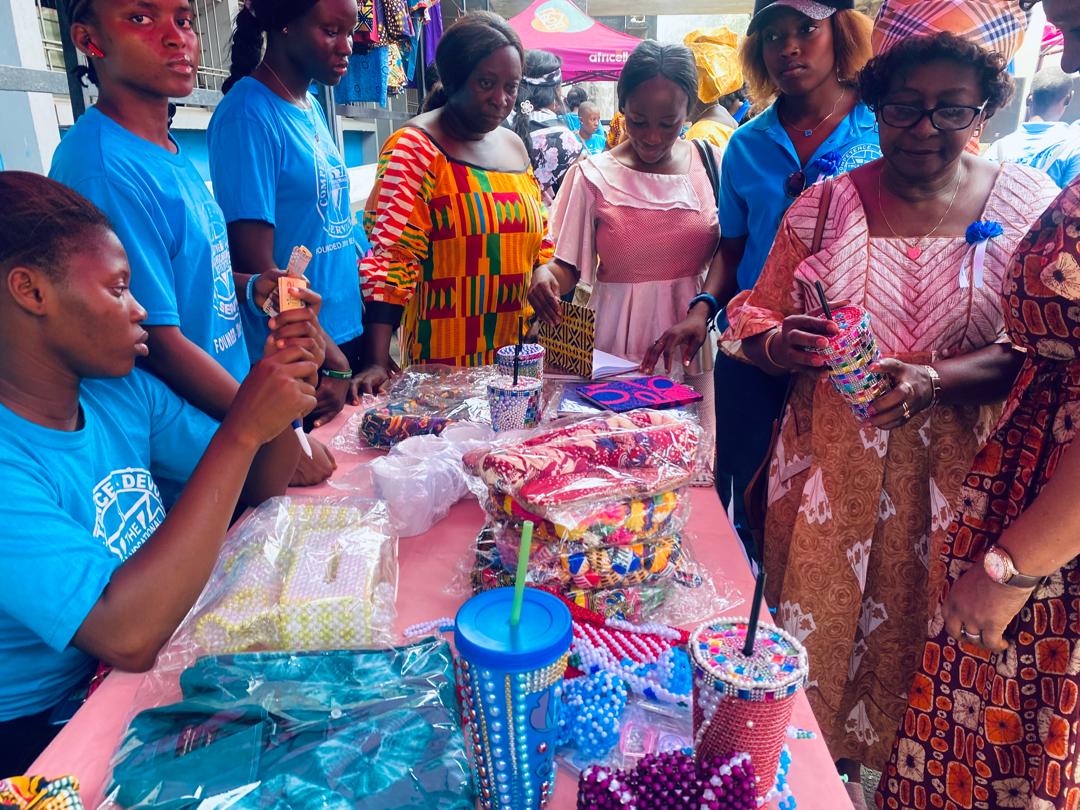
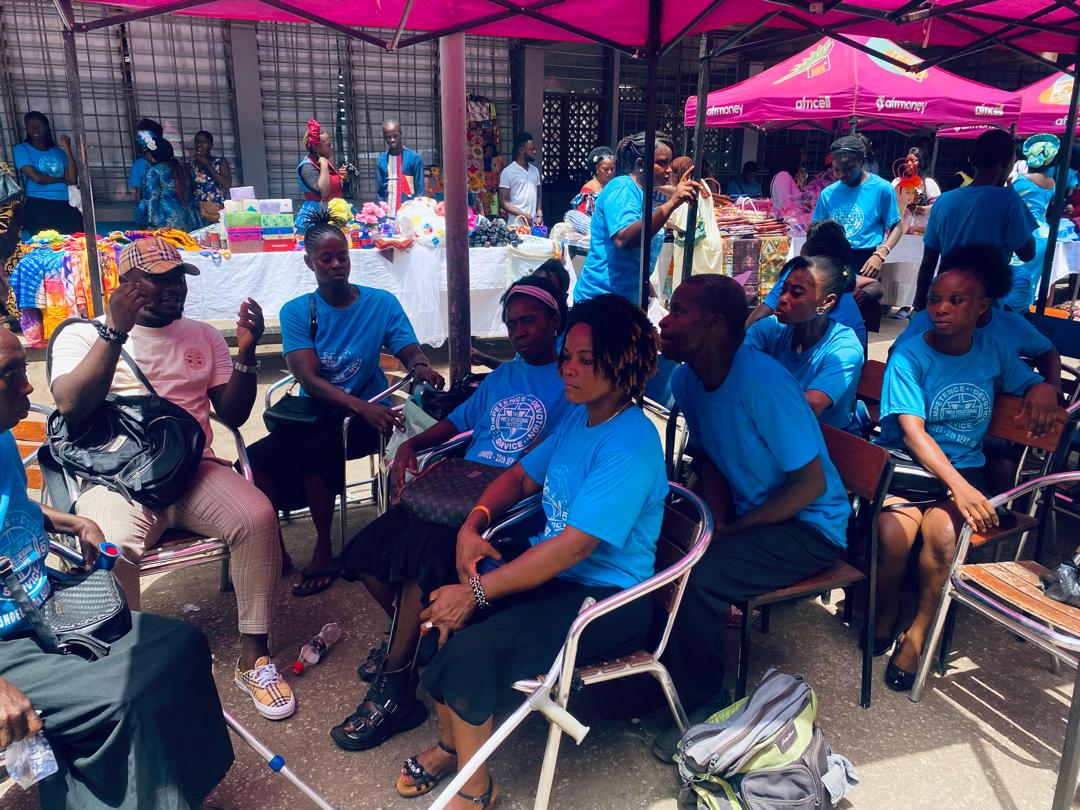
The SUCCEED Intervention convenes monthly group and livelihood sessions across community clusters, bringing together participants and caregivers in spaces that promote recovery, shared learning, and social connection. These sessions strengthen peer and family support while creating opportunities for dialogue, encouragement, and collective growth. These livelihood sessions foster practical skills, economic empowerment, and community participation.
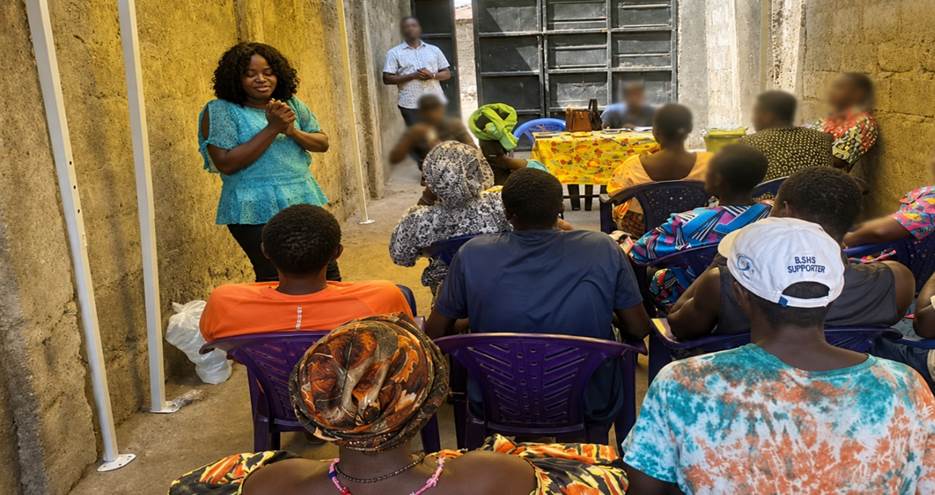
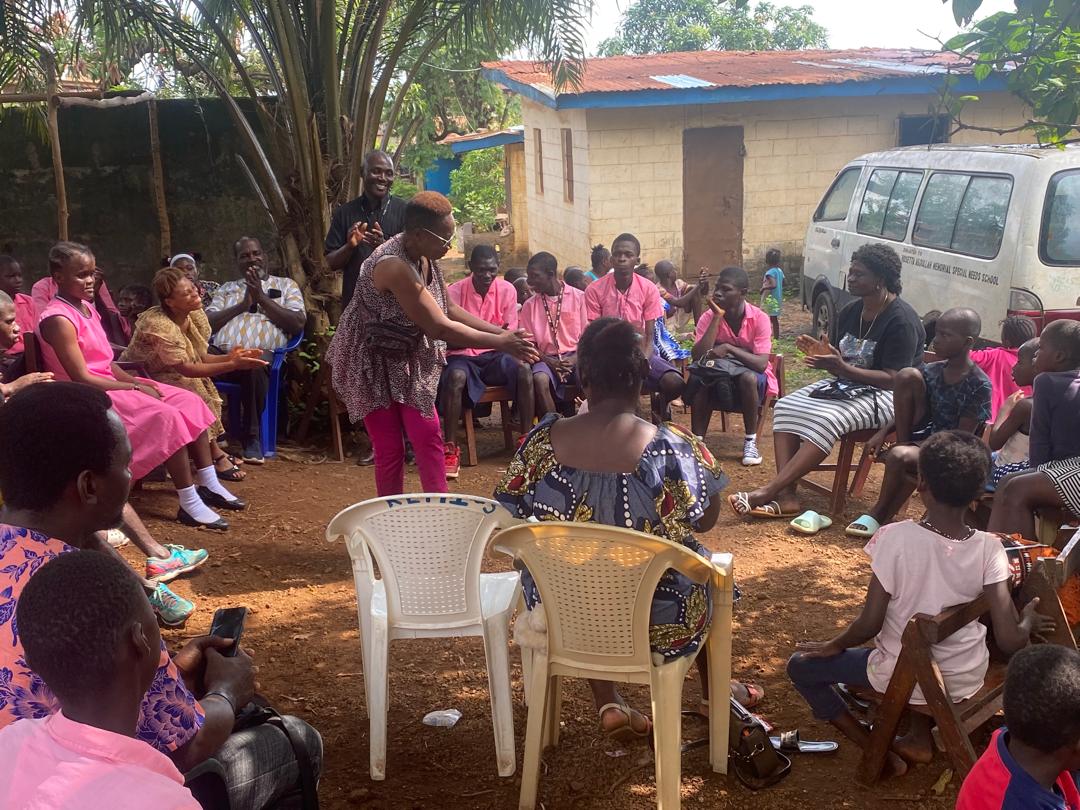
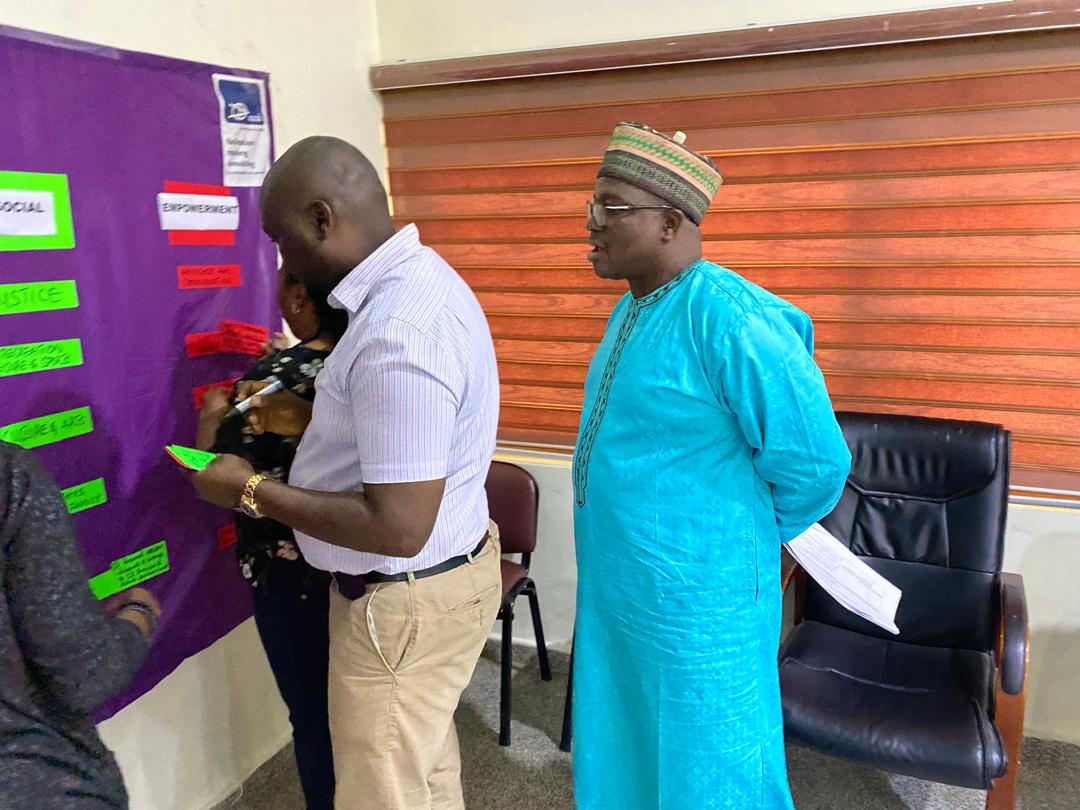
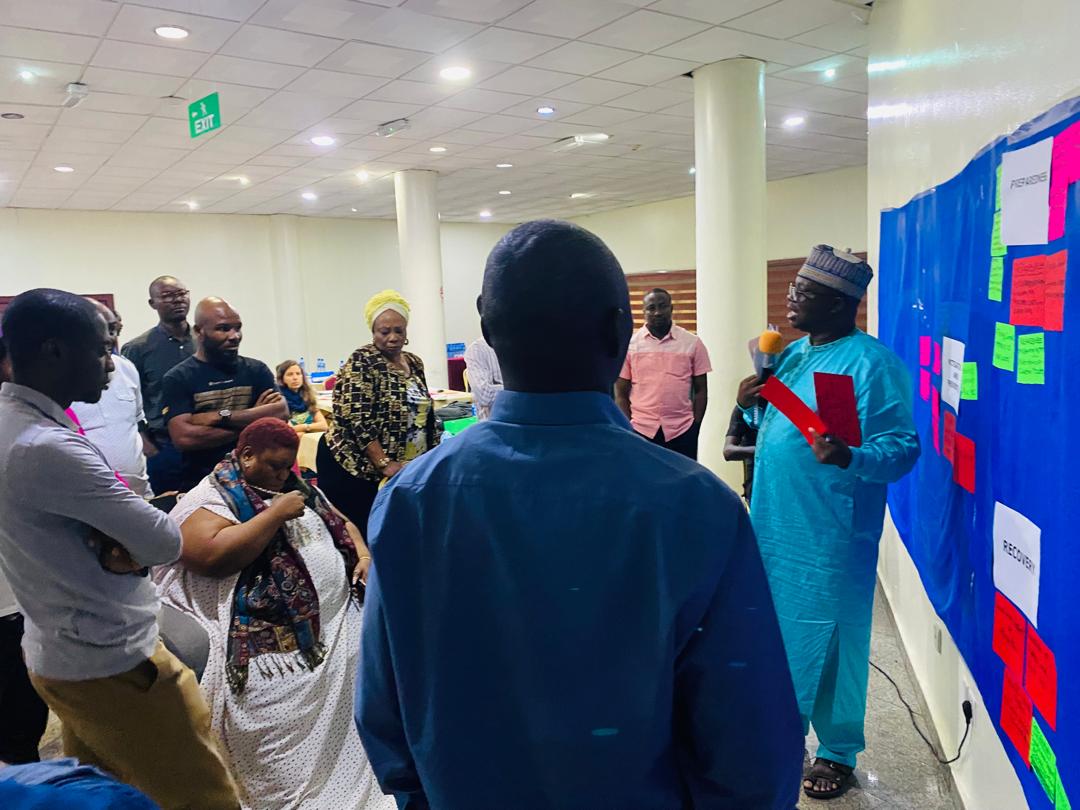
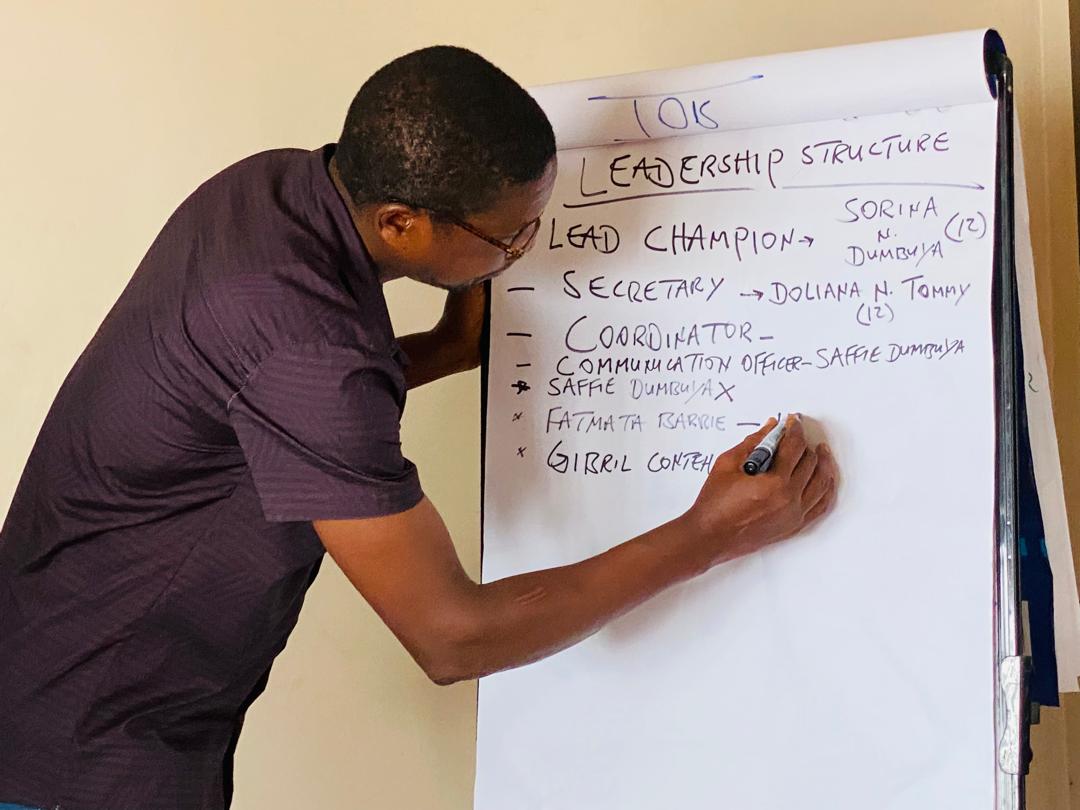
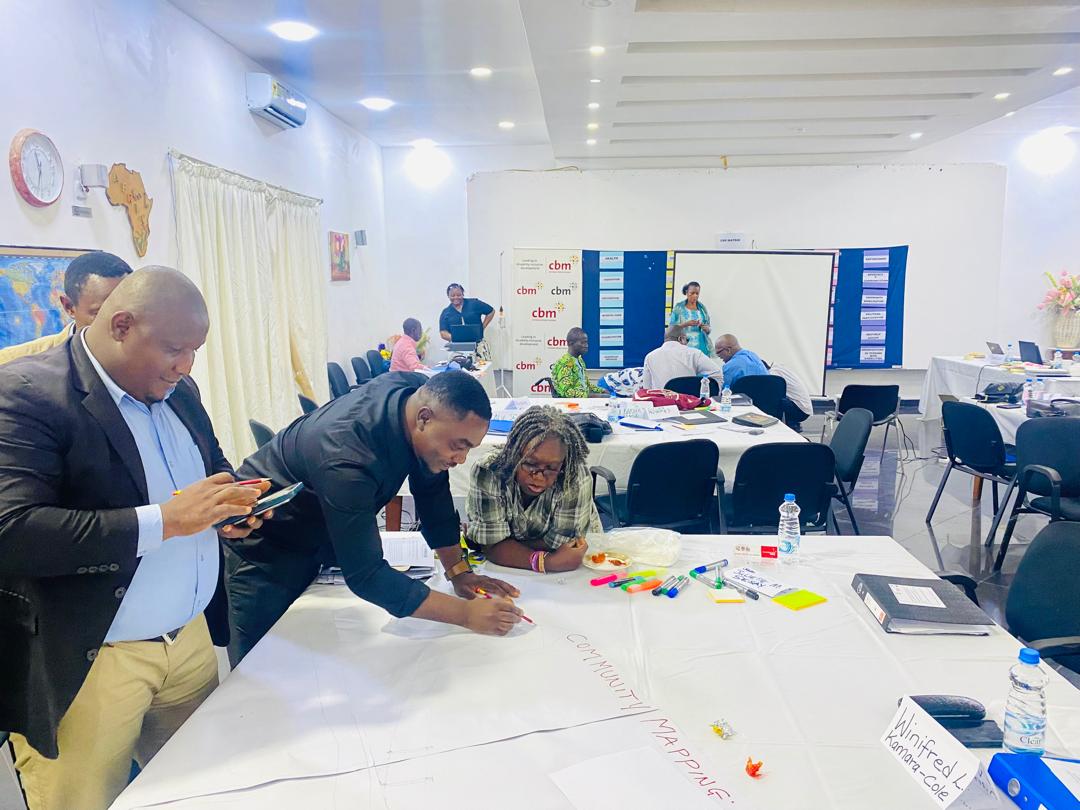
(MHC-SL – CSW staff conducting a Group Session)
Implemented by Mental Health Coalition–Sierra Leone (MHC-SL) in collaboration with partners and communities, SUCCEED combines evidence-based mental health care with psychosocial rehabilitation, livelihood support, advocacy, and community engagement to create pathways for long-term recovery and social inclusion. The intervention amplifies the voices and experiences of people with lived experience of psychosis, placing them at the center of solutions that affect their lives and futures.
Restoring Dignity, Hope, and Inclusion
MHC-SL challenges the long-standing narrative that psychosis defines a person’s potential. Instead, it affirms that, with the right support systems, compassionate communities, and rights-based interventions, persons living with psychosis can recover, contribute meaningfully to society, and live purposeful and fulfilling lives.
Findings from the SUCCEED Research will be shared within the shortest possible time frame to contribute to policy dialogue, strengthen community mental health practice, and inspire sustainable action across Sierra Leone and beyond. The initiative stands as both a model and a message: recovery is possible, inclusion matters, and every person deserves the opportunity to live with dignity, respect, and hope.